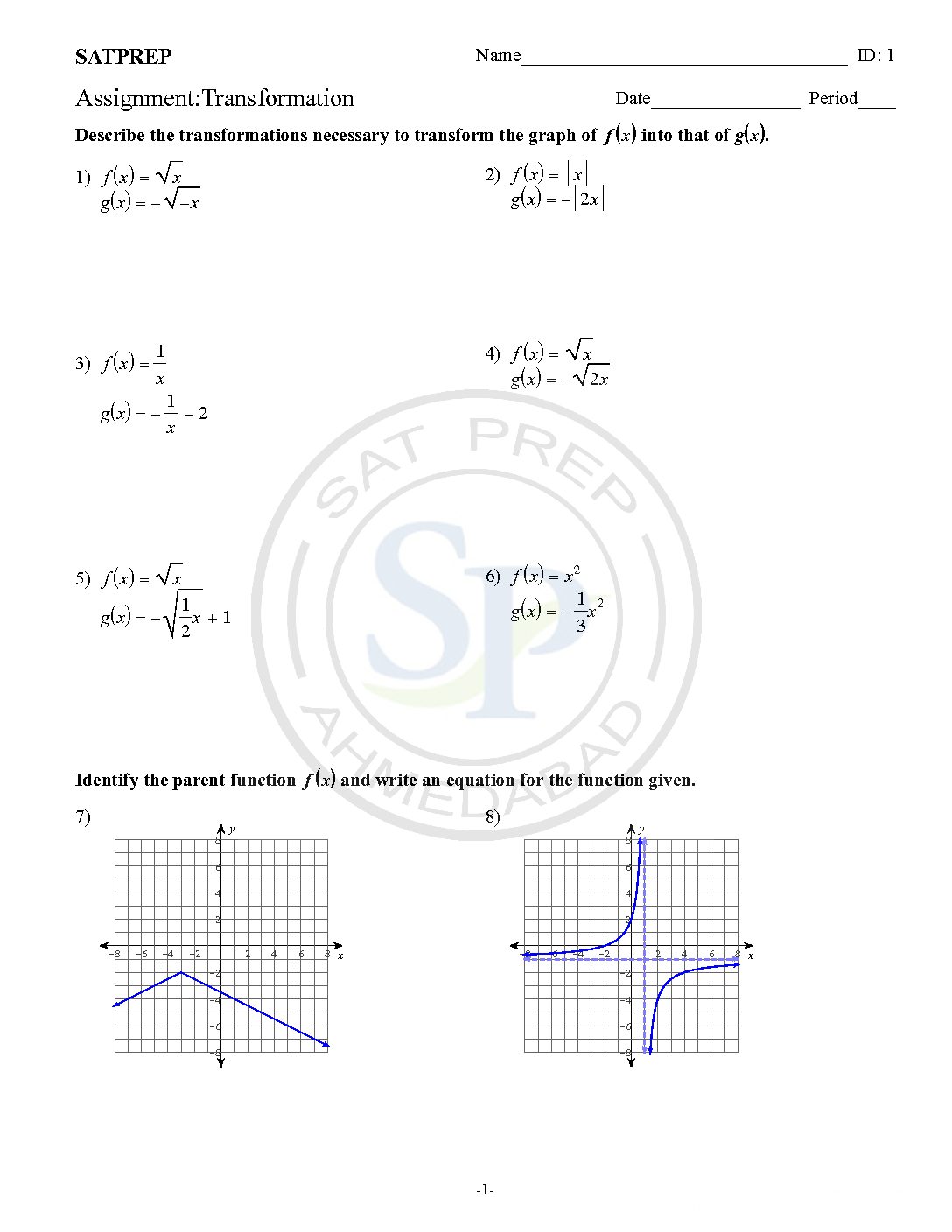
In this post question are from transformation of function. It basically deals with translation of functions through vector . Also it deal with reflection . Transformation
You are browsing archives for
Category: Pure Maths
Co-ordinate geometry -2
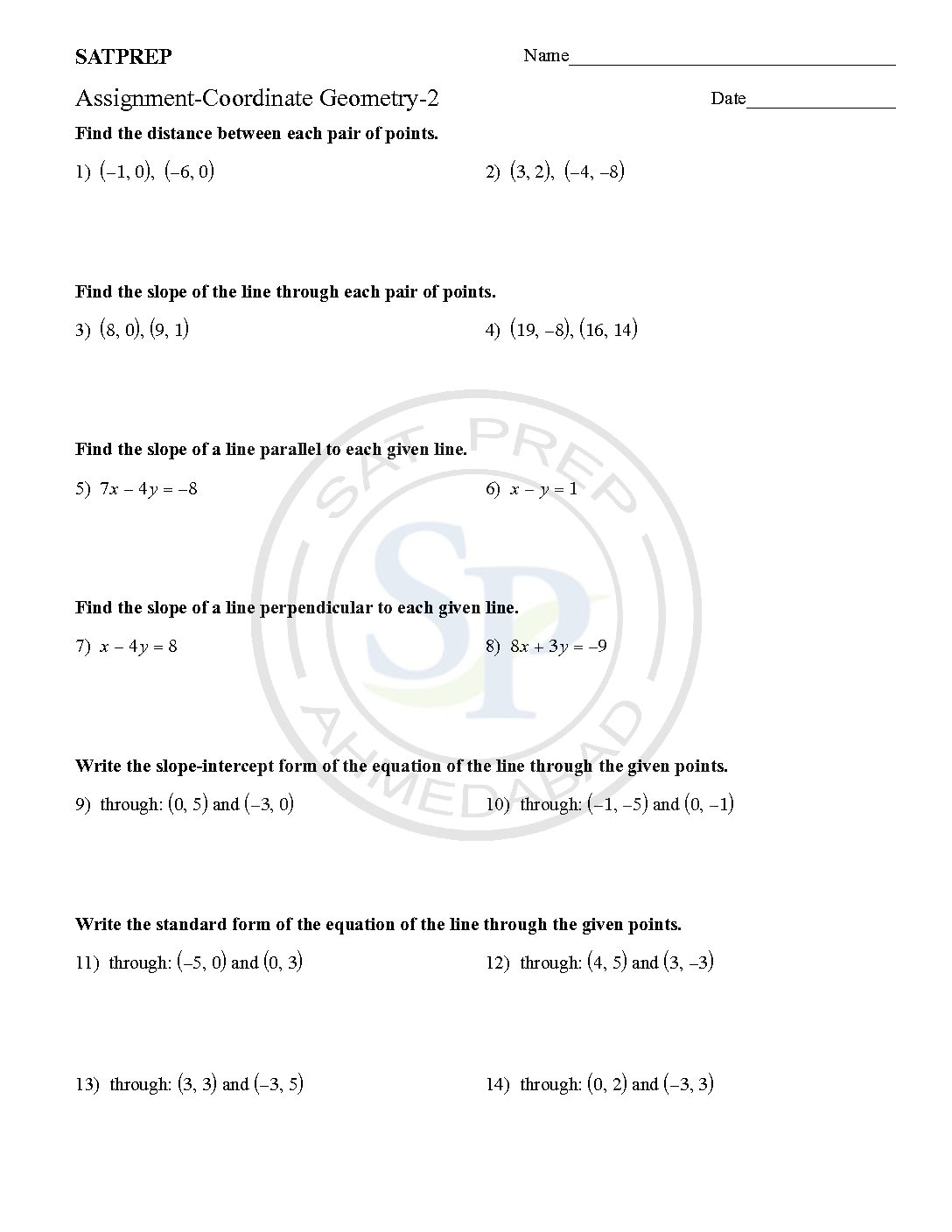
Ordered pair of numbers also known as coordinates. Hence manipulation of coordinate such as Determine the distance between these points. Find the equation, midpoint, and slope of the line segment. Determine if the given lines are perpendicular or parallel. Also deal with graphic representation. Coordinate geometry
Logarithmic and exponential Function
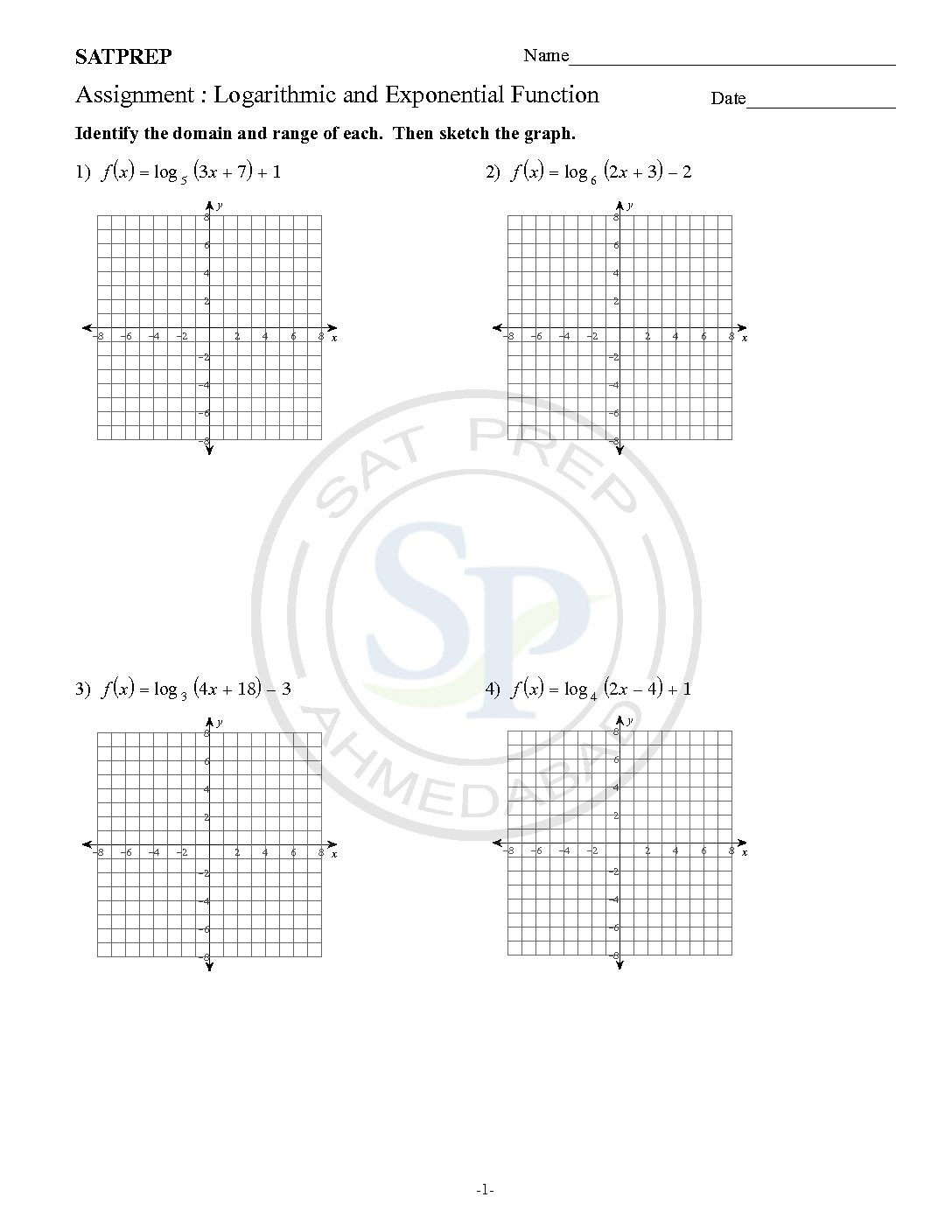
The logarithmic function y = logax is defined to be equivalent to the exponential equation x = ay. y = logax only under the following conditions: x = ay, a > 0, and a≠1. Logarithmic functions are the inverses of exponential functions. The inverse of the exponential function y = ax is x = ay. […]
Properties of logarithm
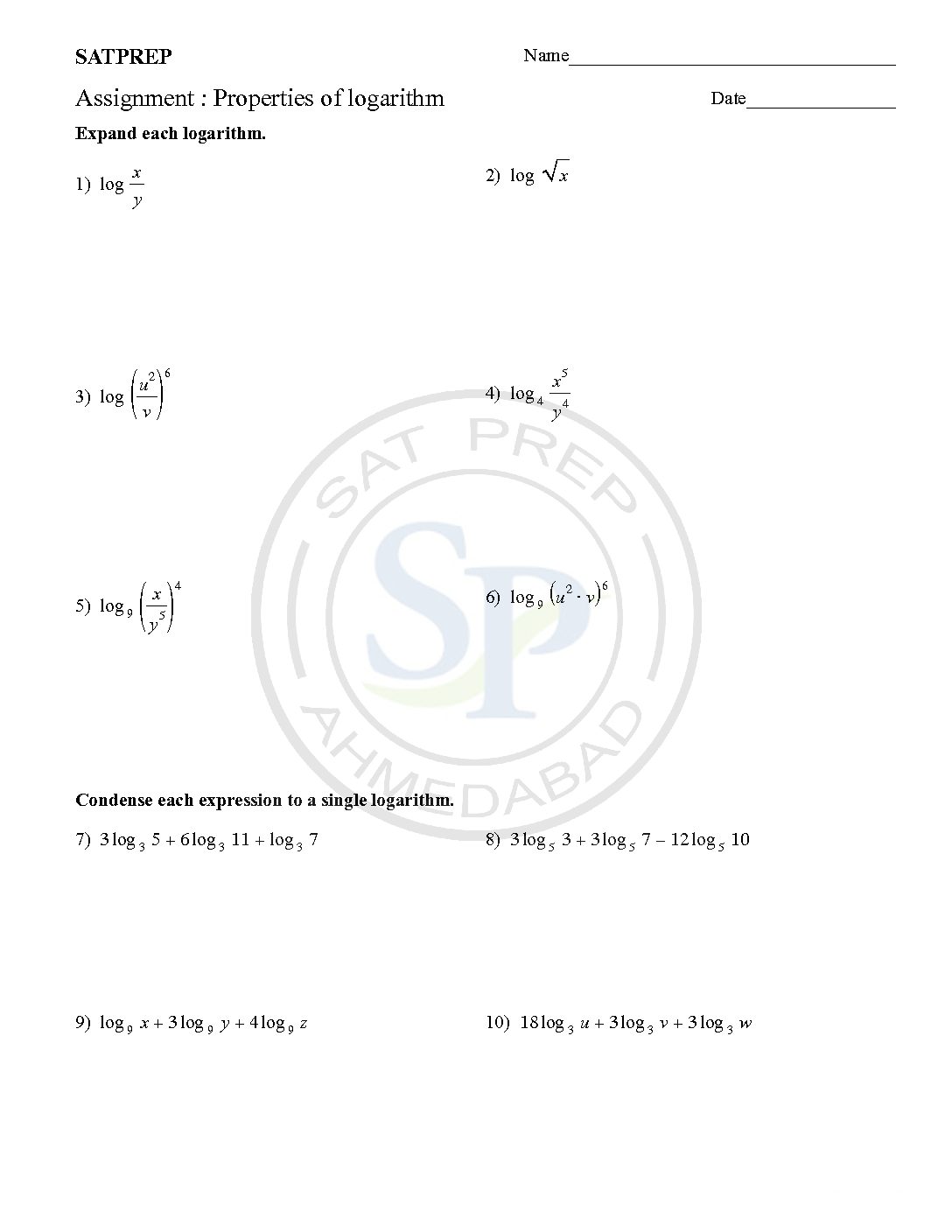
Properties of logarithms are use to evaluate or rewrite logarithmic expressions. Product Rule : ln x+ ln y = ln xy Quotient Rule : ln x – ln y = ln xy Power Rule : ln yx = x ln y Properties of logarithm
Exponent and Logarithm inverses
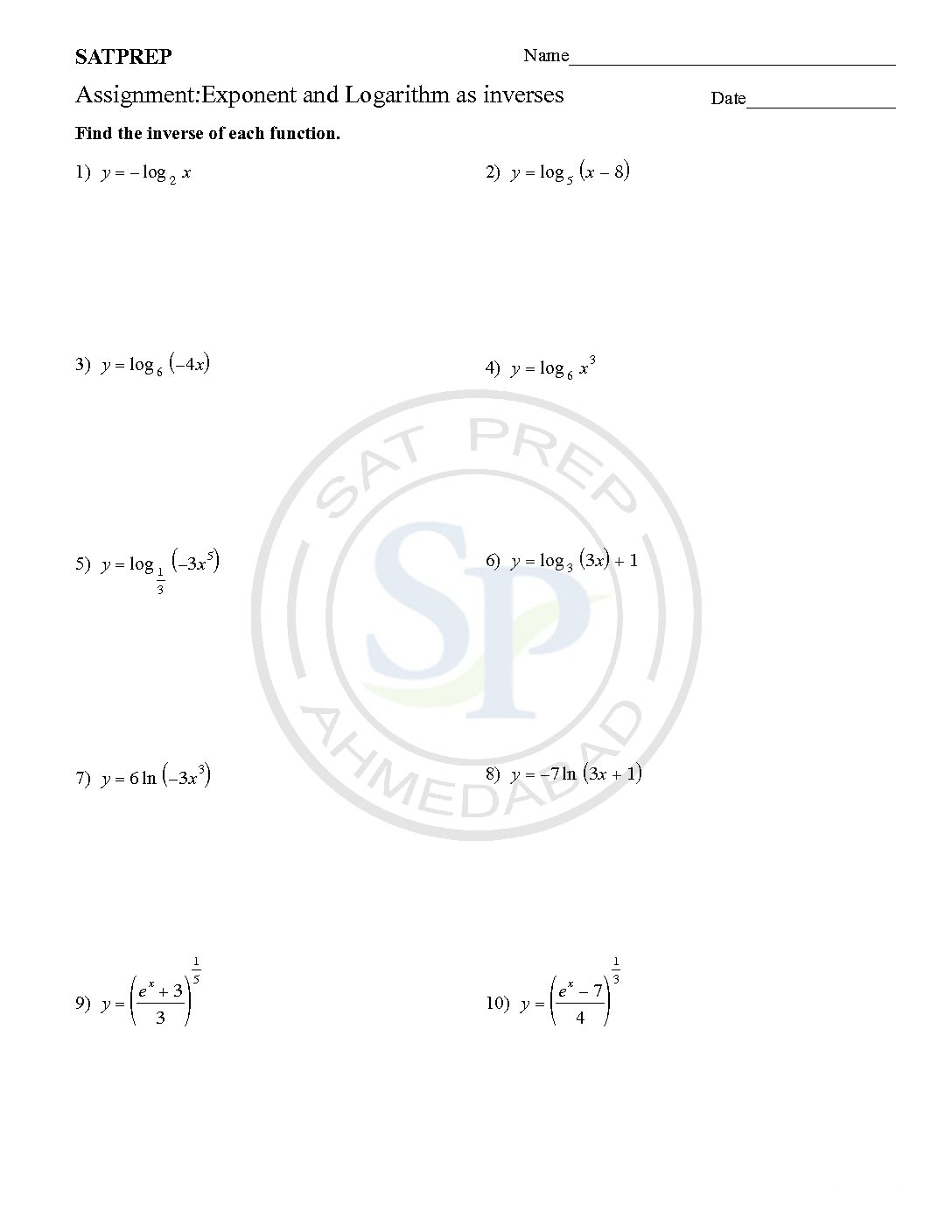
The inverse of the exponential function y = ax is x = ay. The logarithmic function y = logax is defined to be equivalent to the exponential equation x = ay. y = logax only under the following conditions: x = ay, a > 0, and a≠1. It is called the logarithmic function with base […]
Binomial theorem
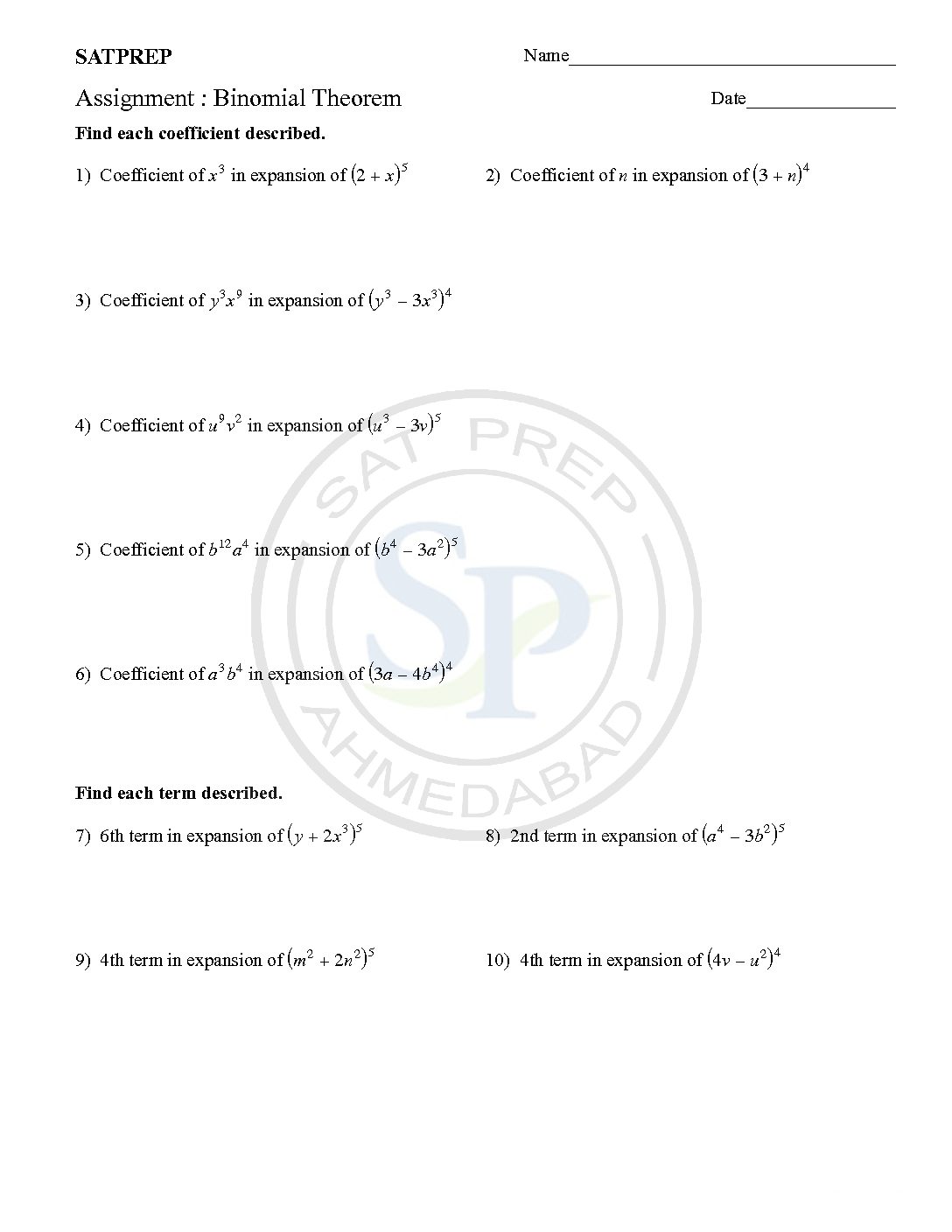
The expansion of two terms is know as Binomial theorems . Another way it is generalised form of expansion. Due to expansion of two term it is binomial. “What are the binomial coefficients?” . It shows how to calculate the coefficients in the expansion of (a + b) n. The symbol for a binomial coefficient nCr. As well as […]
Imaginary No
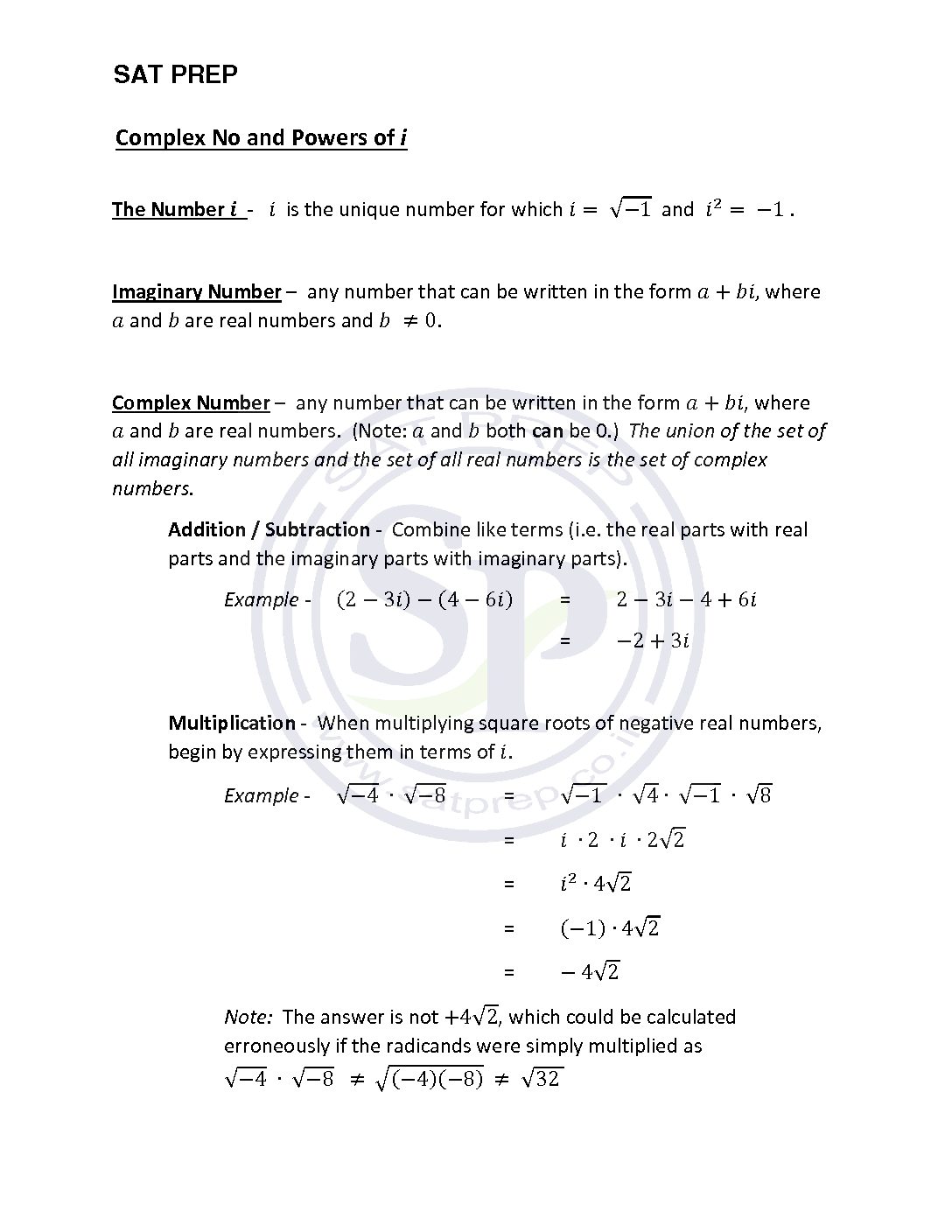
A number is an imaginary number when it multiplied by square root of negative no. An imaginary number is the square root of a negative number and does not have a tangible value.”Complex” numbers have two parts, a “real” part (being any “real” number that you’re used to dealing with) and an “imaginary” part (being any number with an […]
Properties of indices
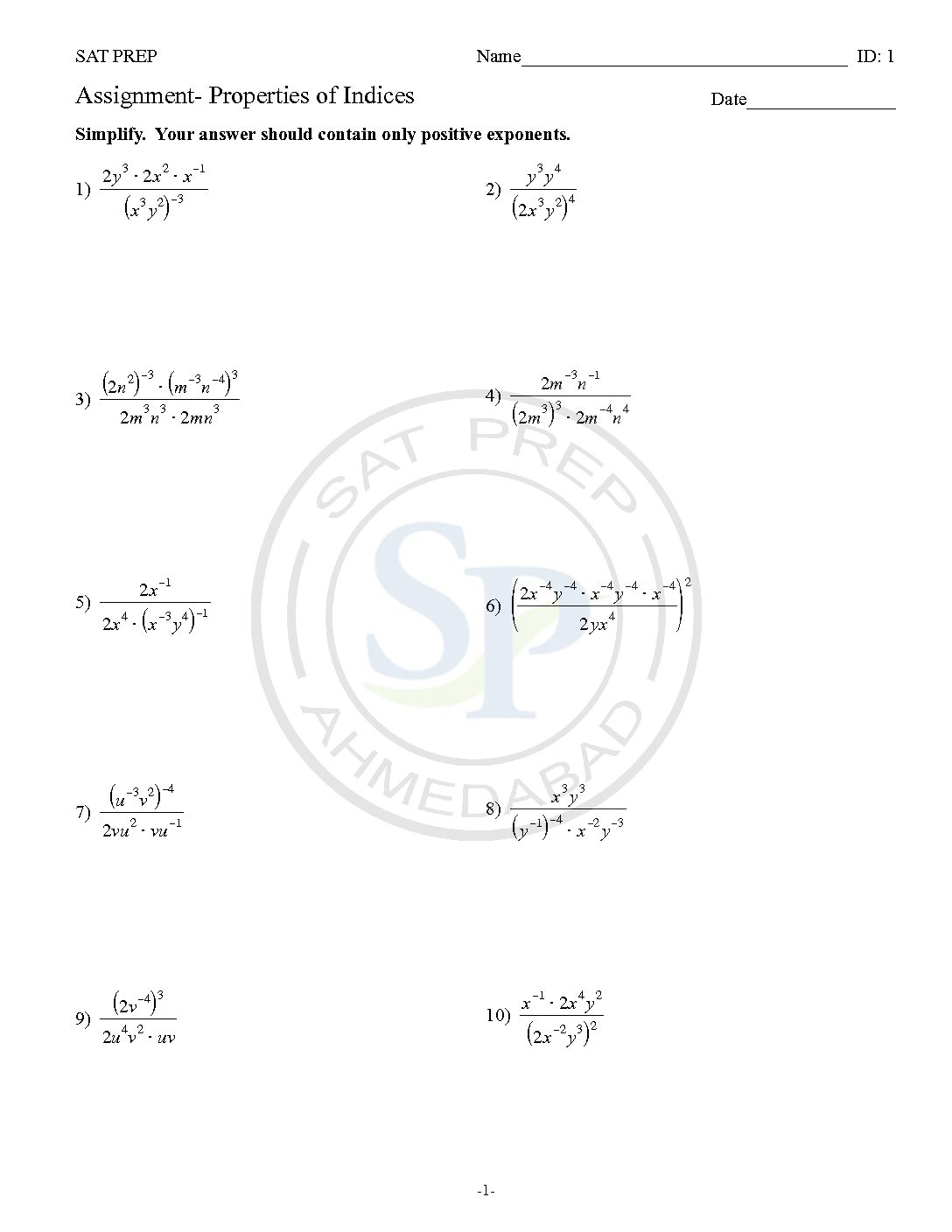
Laws of Exponents. Exponents are also called Powers or Indices. The exponent of a number says how many times to use the number in a multiplication. Law of Indices. To manipulate expressions, we can consider using the Law of Indices. These laws only apply to expressions with the same base, for example, 3 4 and 3 2 can be manipulated […]
Differentiation of polynomial
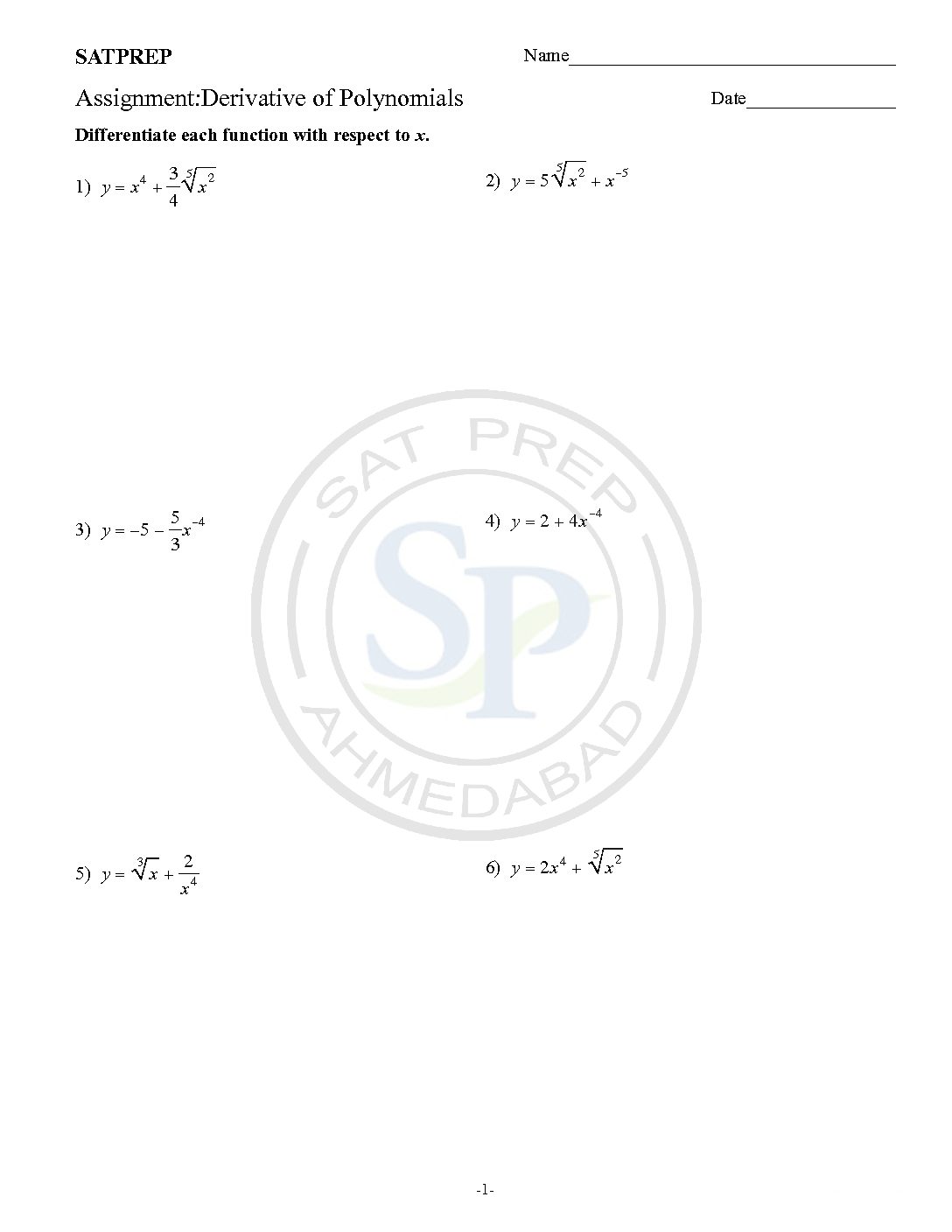
Differentiation is process of getting derivative. Differentiation has applications to nearly all quantitative disciplines. For example, in physics, the derivative of the displacement of a moving body with respect to time is the velocity of the body, and the derivative of velocity with respect to time is acceleration. Similarly in chemistry as well as Economics also derivative
Formulae of Calculus
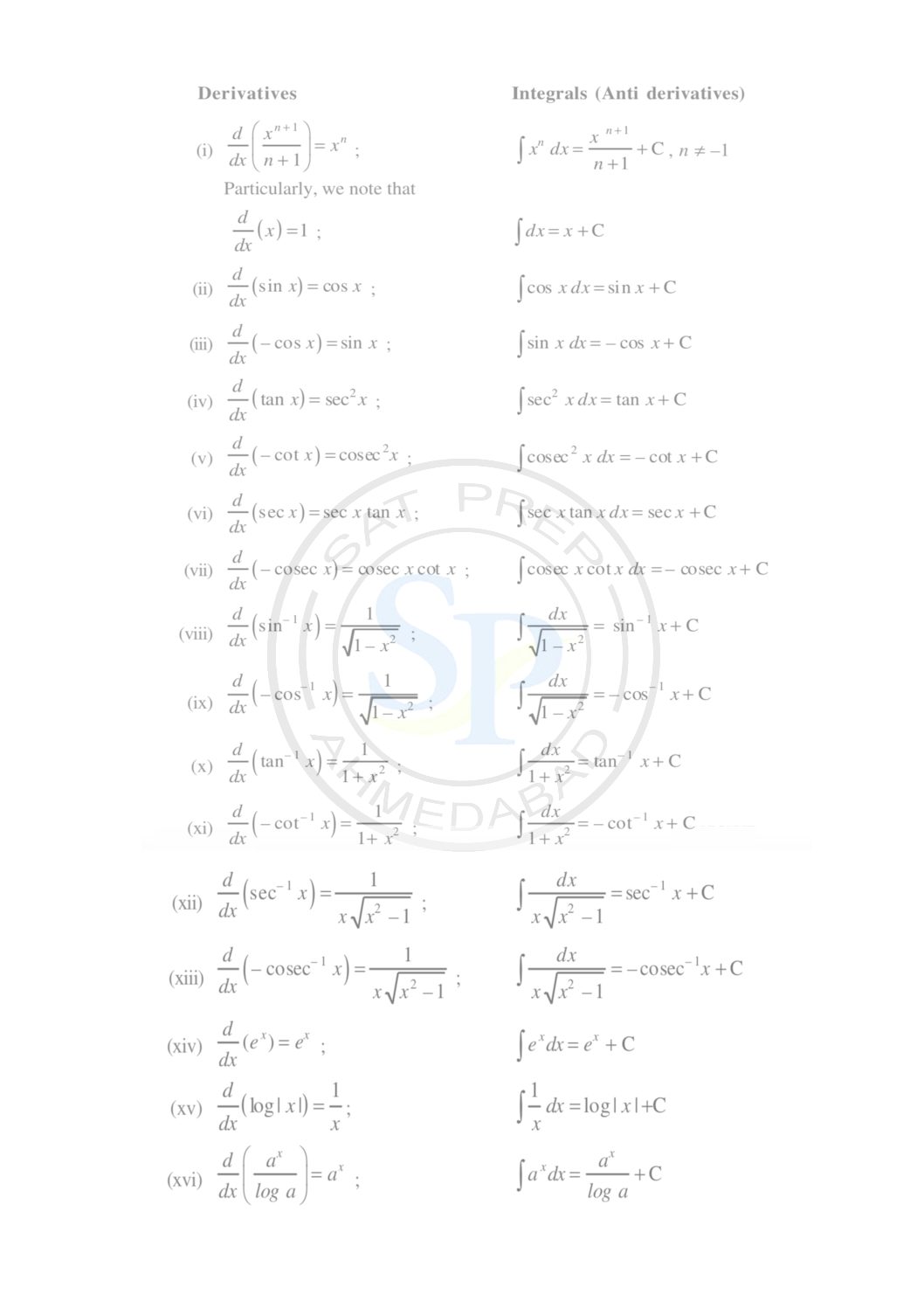
List of Calculus Formulas-basic Properties and Formulas of Integration : If f (x) and g(x) are differentiable functions . Another In basic calculus, we learn rules and formulas for differentiation, which is the method by which we calculate the derivative of a function, and integration, Differential Calculus that is concerning rates of change and slopes of curves, and Integral Calculus concerning […]