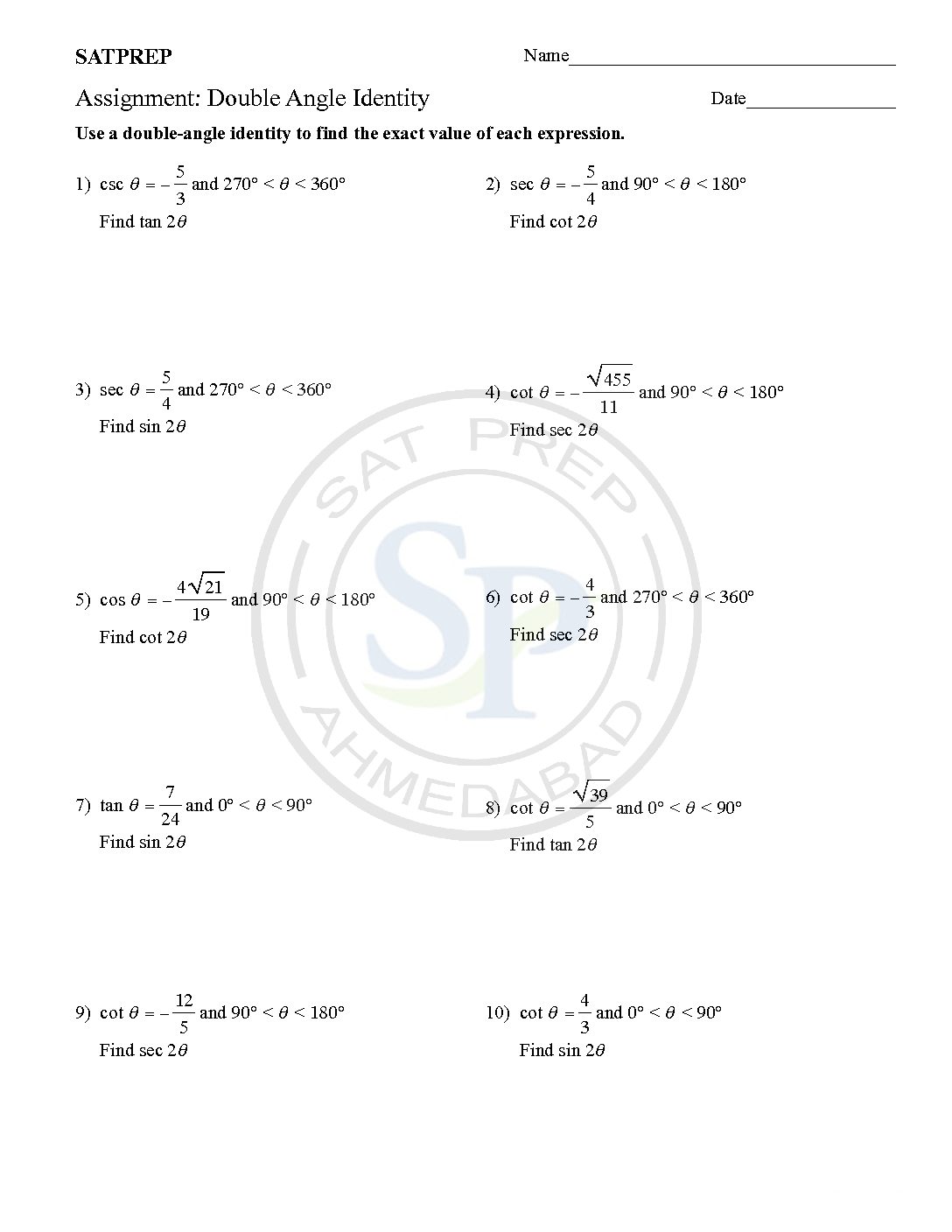
A Double angles identity is written2θ, for example, as sin 2θ, cos 2α, or tan 2x, where 2θ, 2α, and 2x. The angle measures and the assumption is that you mean sin(2θ), cos(2α), or tan(2x). Because tangent is equal to the ratio of sine and cosine . Therefor its identity comes from their double-angle identities. double angle identity
You are browsing archives for
Category: Cambridge Maths A
Double Angle trigonometric Identity
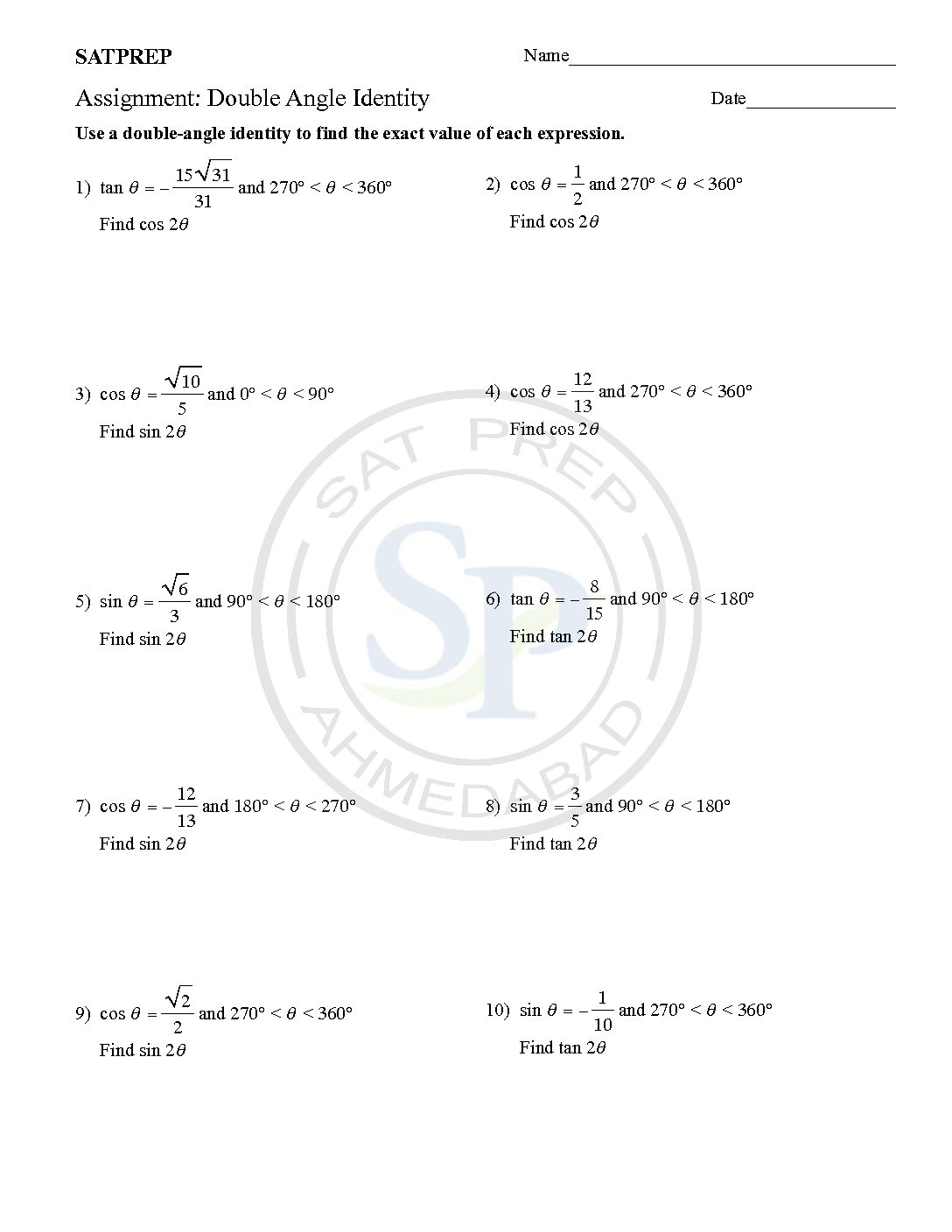
A Double angles identity is written2θ, for example, as sin 2θ, cos 2α, or tan 2x, where 2θ, 2α, and 2x. The angle measures and the assumption is that you mean sin(2θ), cos(2α), or tan(2x). Because tangent is equal to the ratio of sine and cosine . Therefor its identity comes from their double-angle identities. Double angle
Maxima and Minima
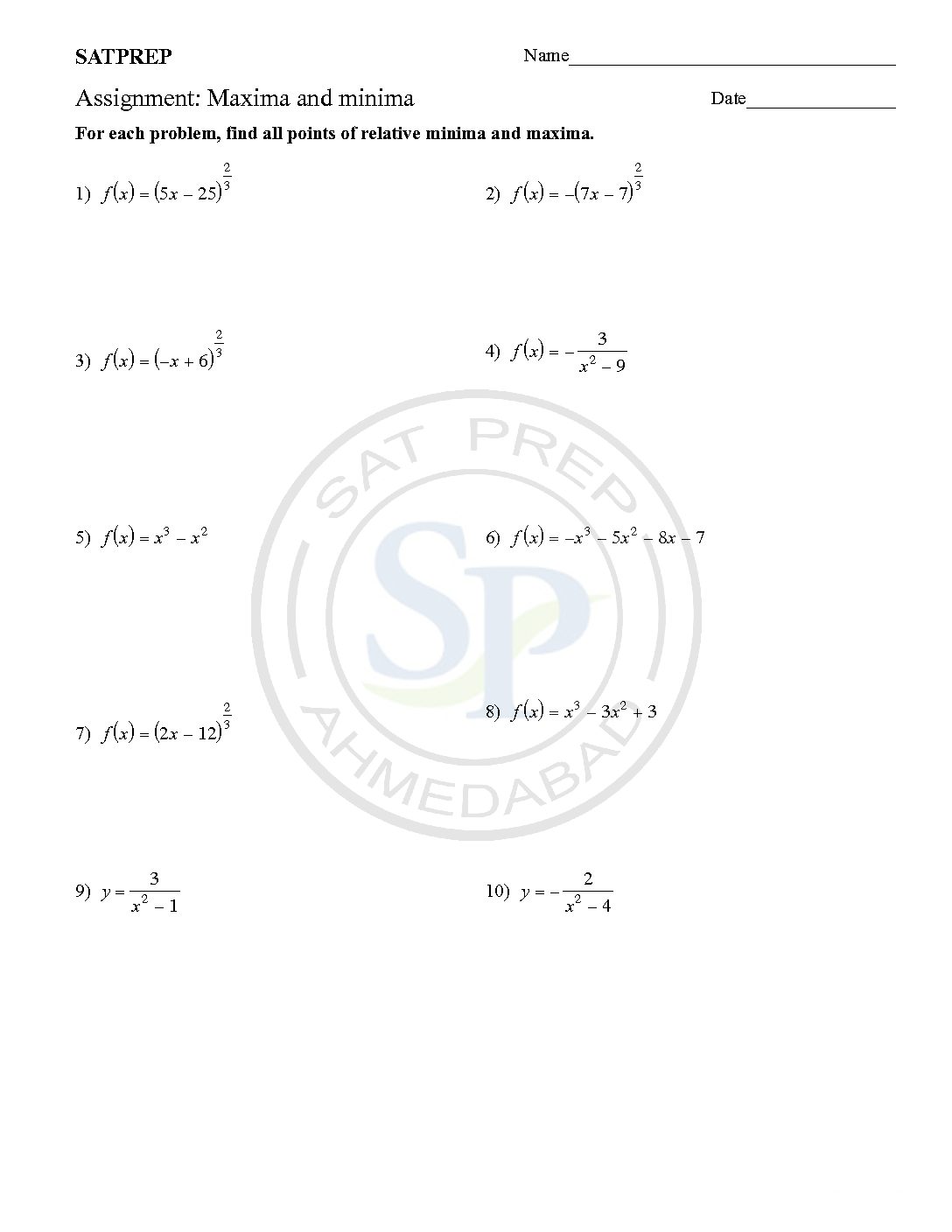
Maximum and minimum of Points of Inflection. The value f ‘(x) is the gradient at any point but often we want to find the Turning or Stationary Point (Maximum and Minimum points) or Point of Inflection These happen where the gradient is zero, f ‘(x) = 0. Critical Points include Turning points and Points where f ‘ (x) does […]
Equation of Tangent and Normal
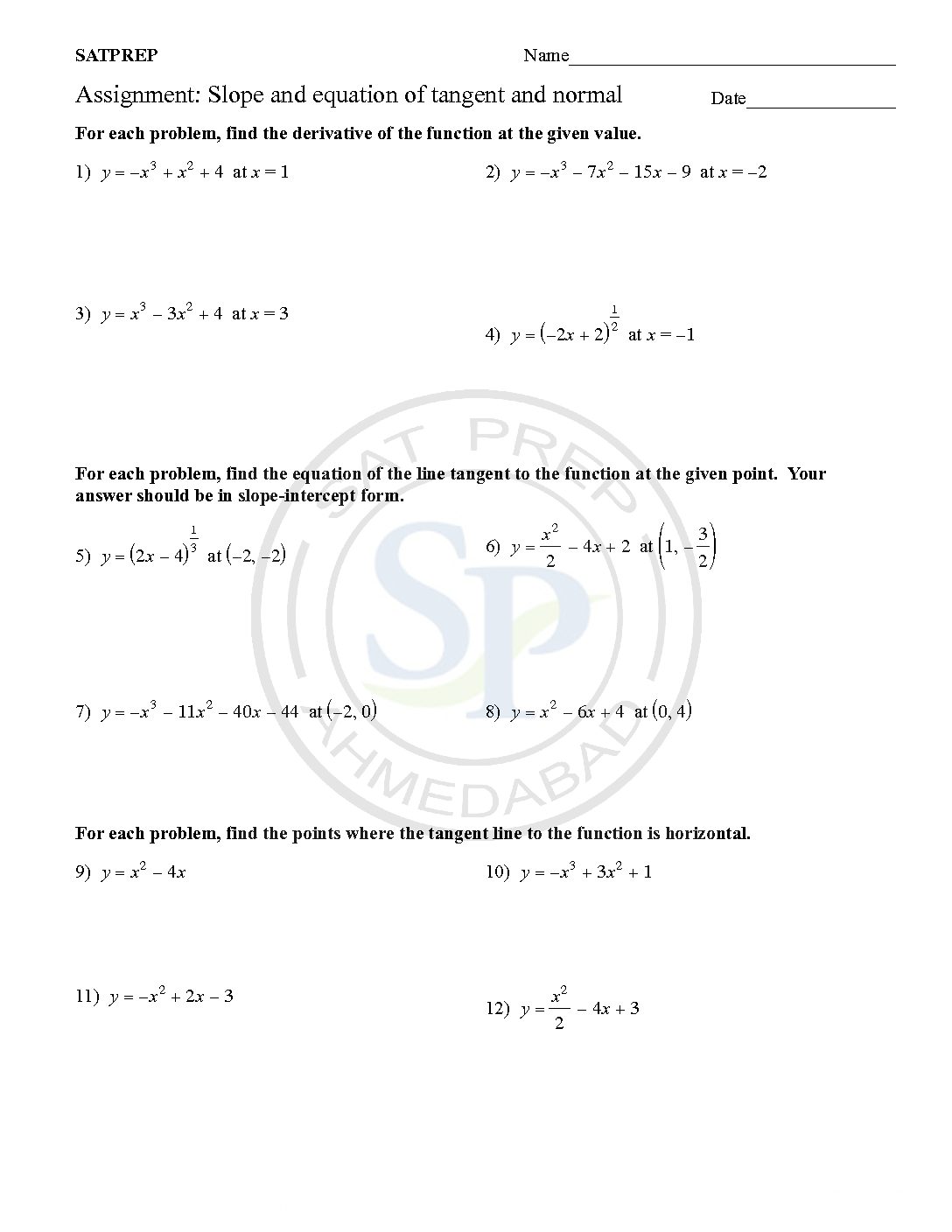
Tangents to a curve are a line that touches the curve at one point and has the same slope as the curve at that point. A normal to a curve is a line perpendicular to a tangent to the curve. Tangent and Normal
Trigonometric equations
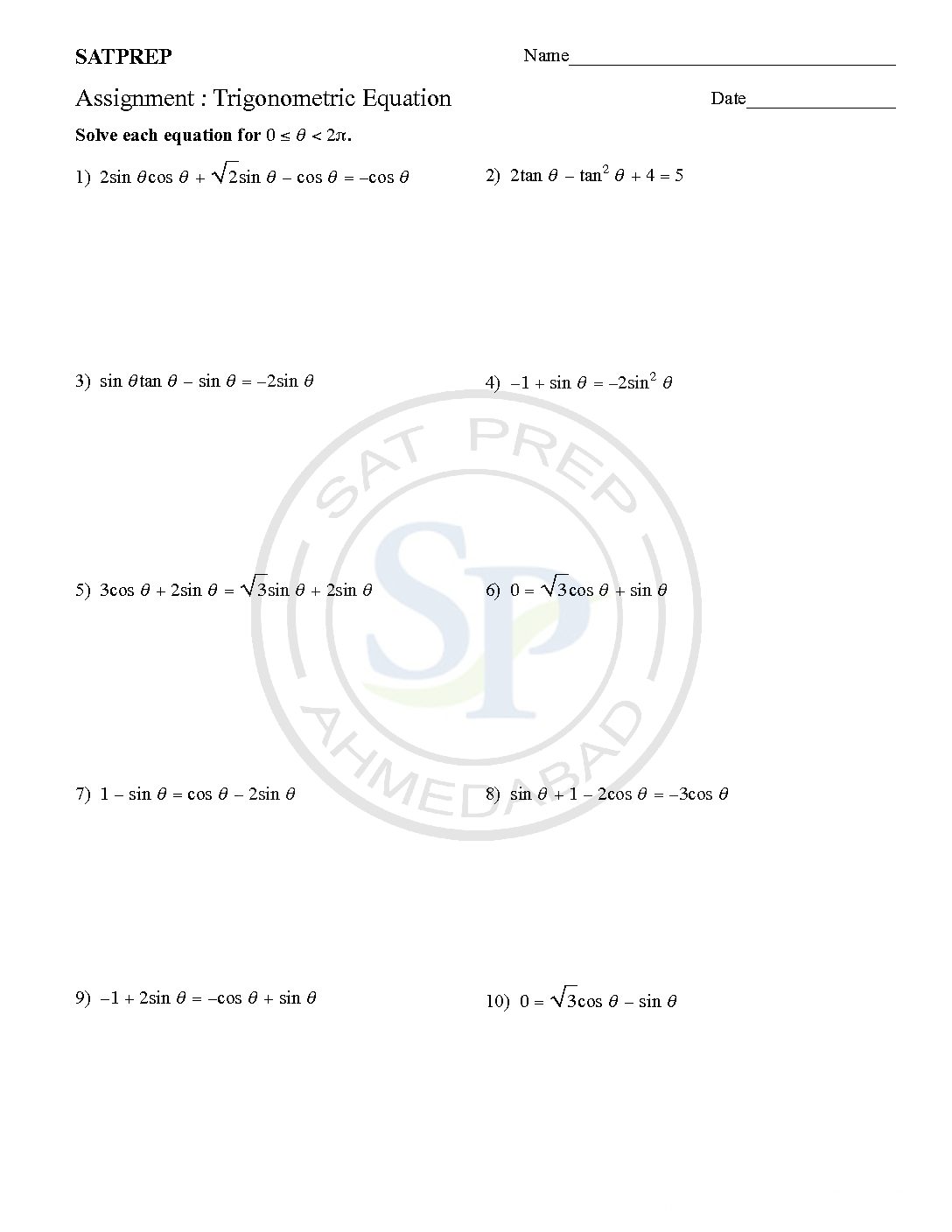
Trigonometric equations use both the reference angles and trigonometric identities The general method of solving an equation is to convert it into the form of one ratio only. Hence, we can obtain solutions. Trigonometric Equation
Trigonometric Identity
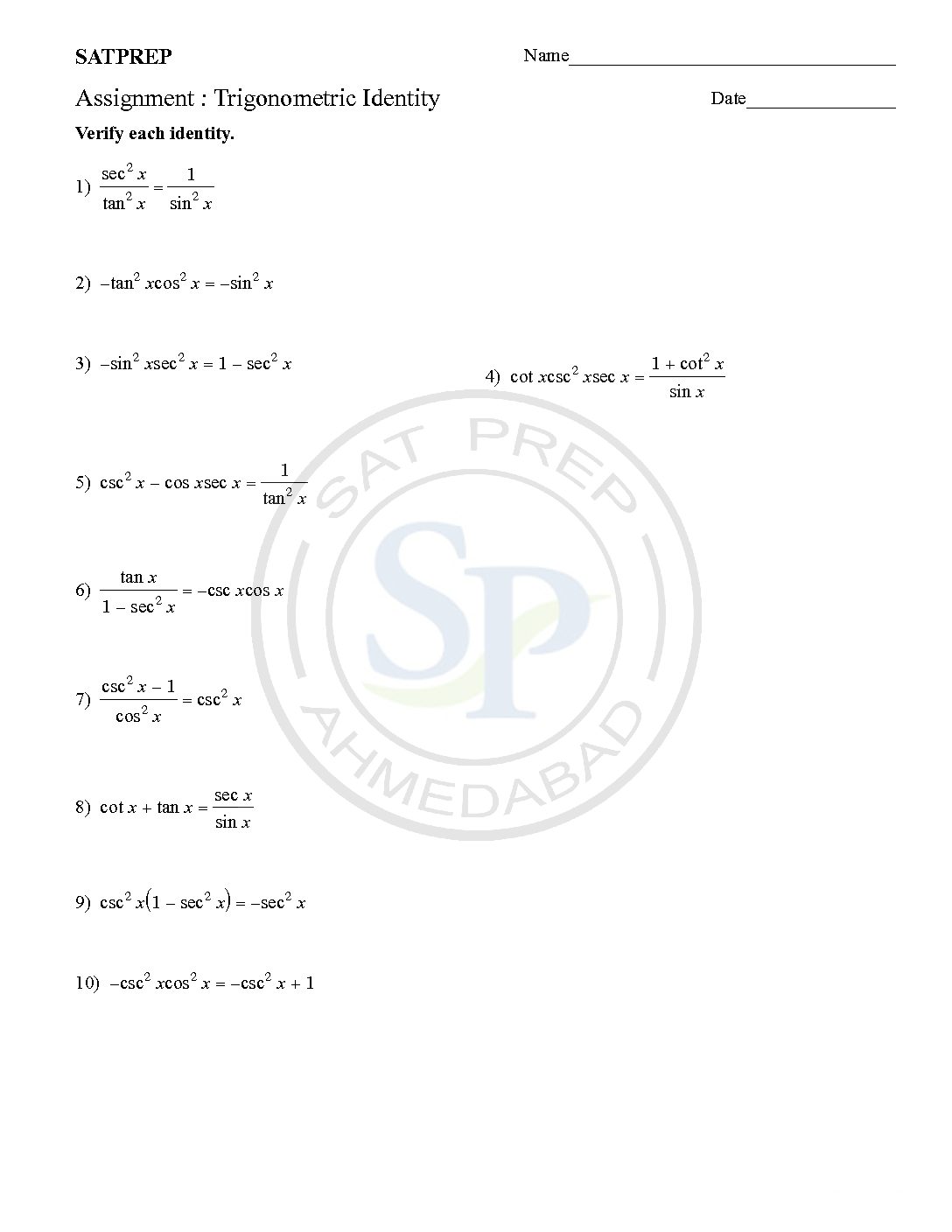
The trigonometric identity showing that the identity is always true, no matter what value of x or θ is used. Because it has to hold true for all values of x, we cannot simply substitute in a few values of x to “show” that they are equal. We have to use logical steps to show […]
Trigonometric Identity

trigonometry identities showing that the identity is always true, no matter what value of x or θ is used. Because it has to hold true for all values of x, we cannot simply substitute in a few values of x to “show” that they are equal. We have to use logical steps to show that one […]
Logarithmic Expression
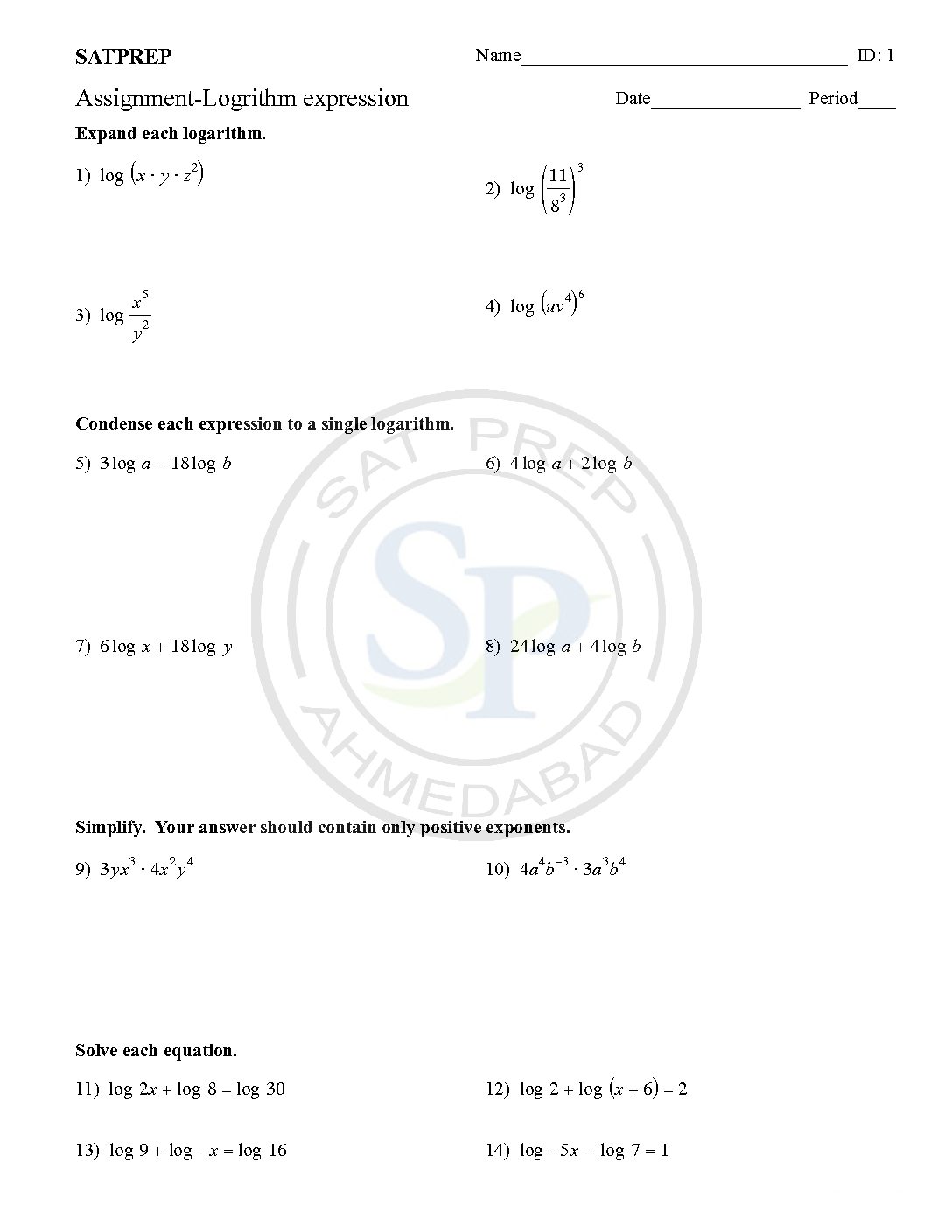
Logarithmic Expressions are simplify by Rules or Laws of Logarithms and solve by inverse of exponentiation. It is expressed by using the abbreviation “log”. Because of different base of number log notation are also different. lg for base 10 , ln for base e . Logarithm quotient rule The logarithm of the division of x and y is the difference of logarithm of x […]
Binomial Theorem
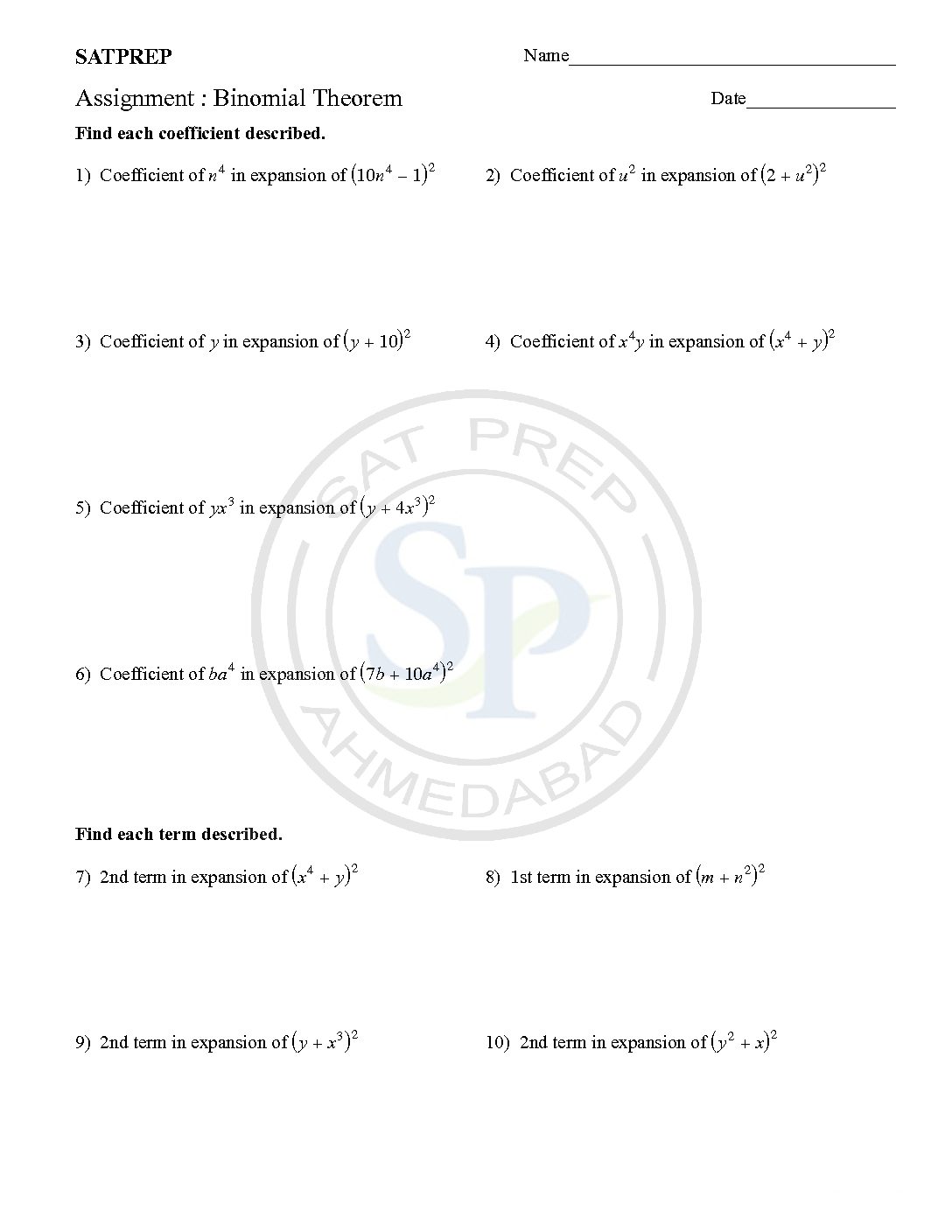
Binomial theorems is another ways of expansion of two terms. Another way it is generalised form of expansion. Due to expansion of two term it is binomial. “What are the binomial coefficients?” . It shows how to calculate the coefficients in the expansion of (a + b) n. The symbol for a binomial coefficient nCr. As well as pascal […]
Absolute Equation
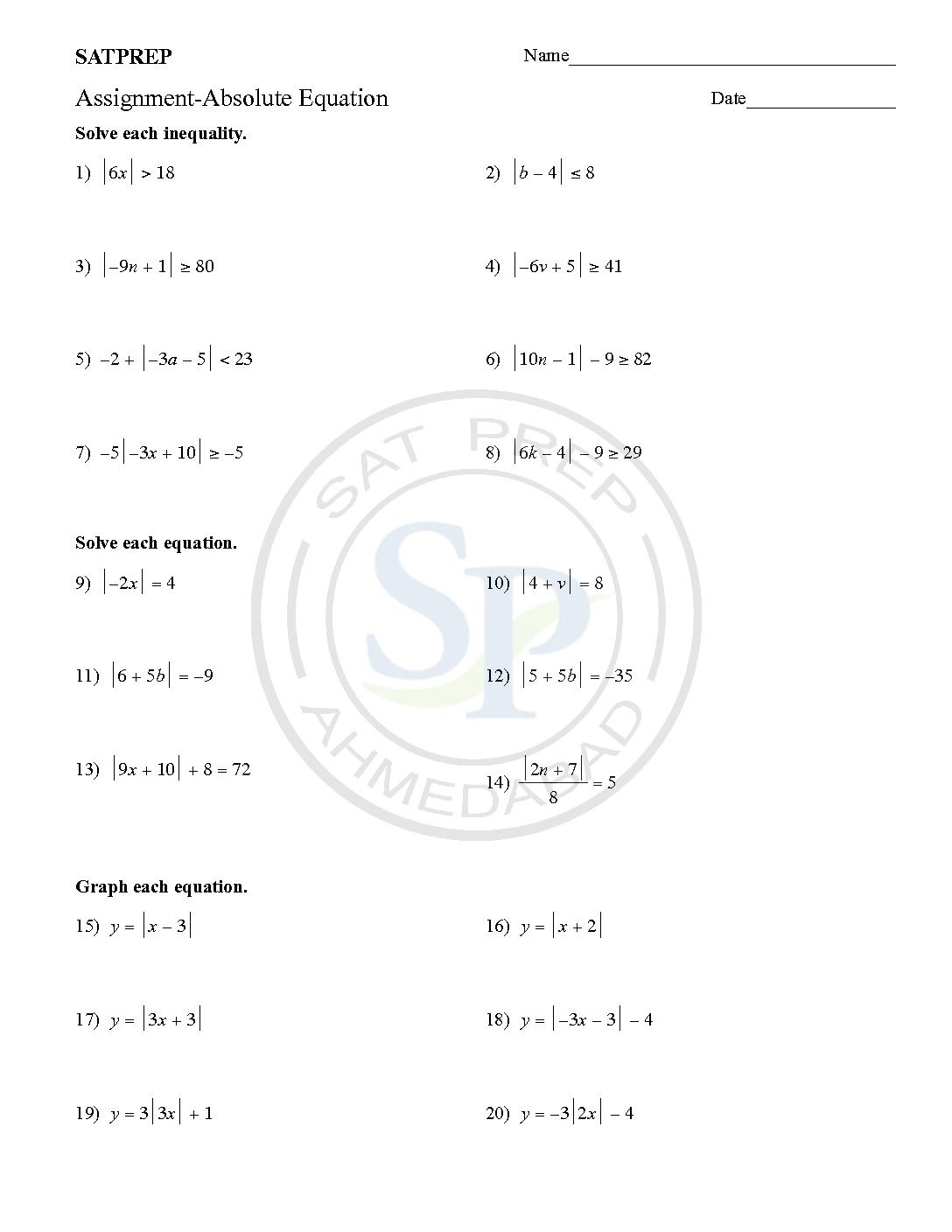
Solving absolute value equations and inequalities. And represents the distance between a and 0 on a number line. An absolute value equation is an equation that contains an absolute value expression. Has two solutions x = a and x = -a because both numbers are at the distance a from 0. Absolute Equation