




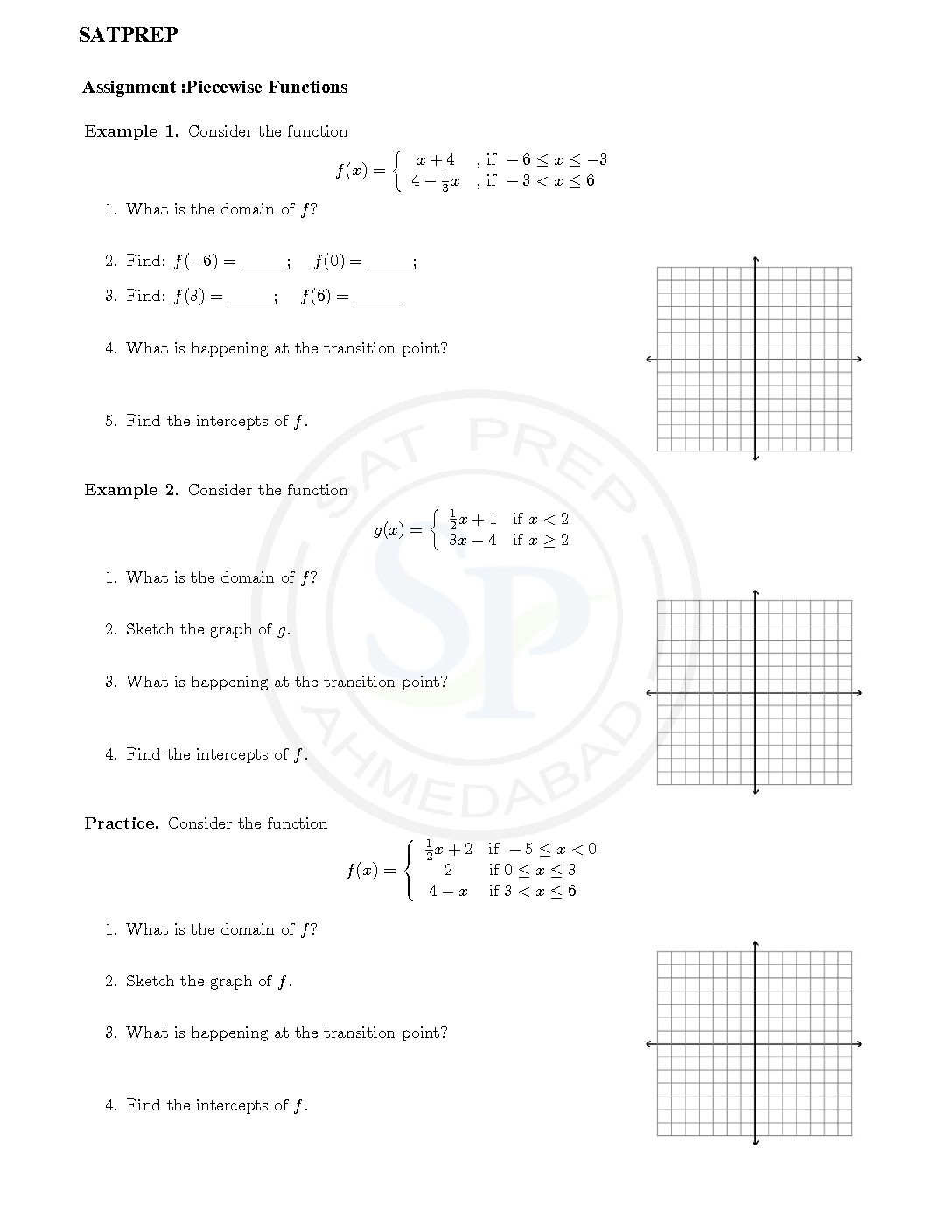
Piecewise Functions. A Function Can be in Pieces. We can create functions that behave differently based on the input (x) value. Piece wise function
LIMITS (One-Sided Limits )
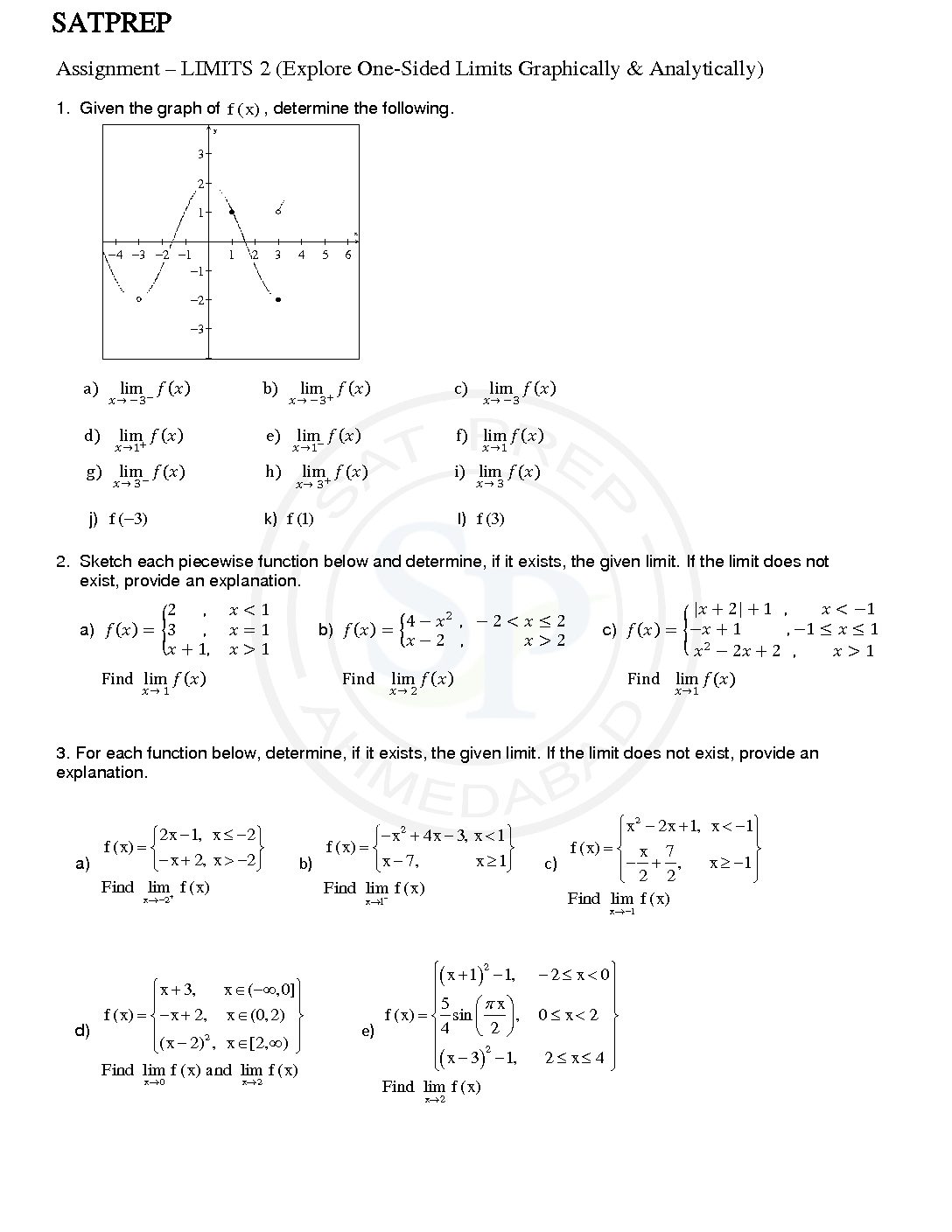
LHL and RHL Limits are the concept of function. So, we have to solve function for given limits. Due to left side it is LHL and right side RHL Limit( One side limit)
AP Calculus formula sheet
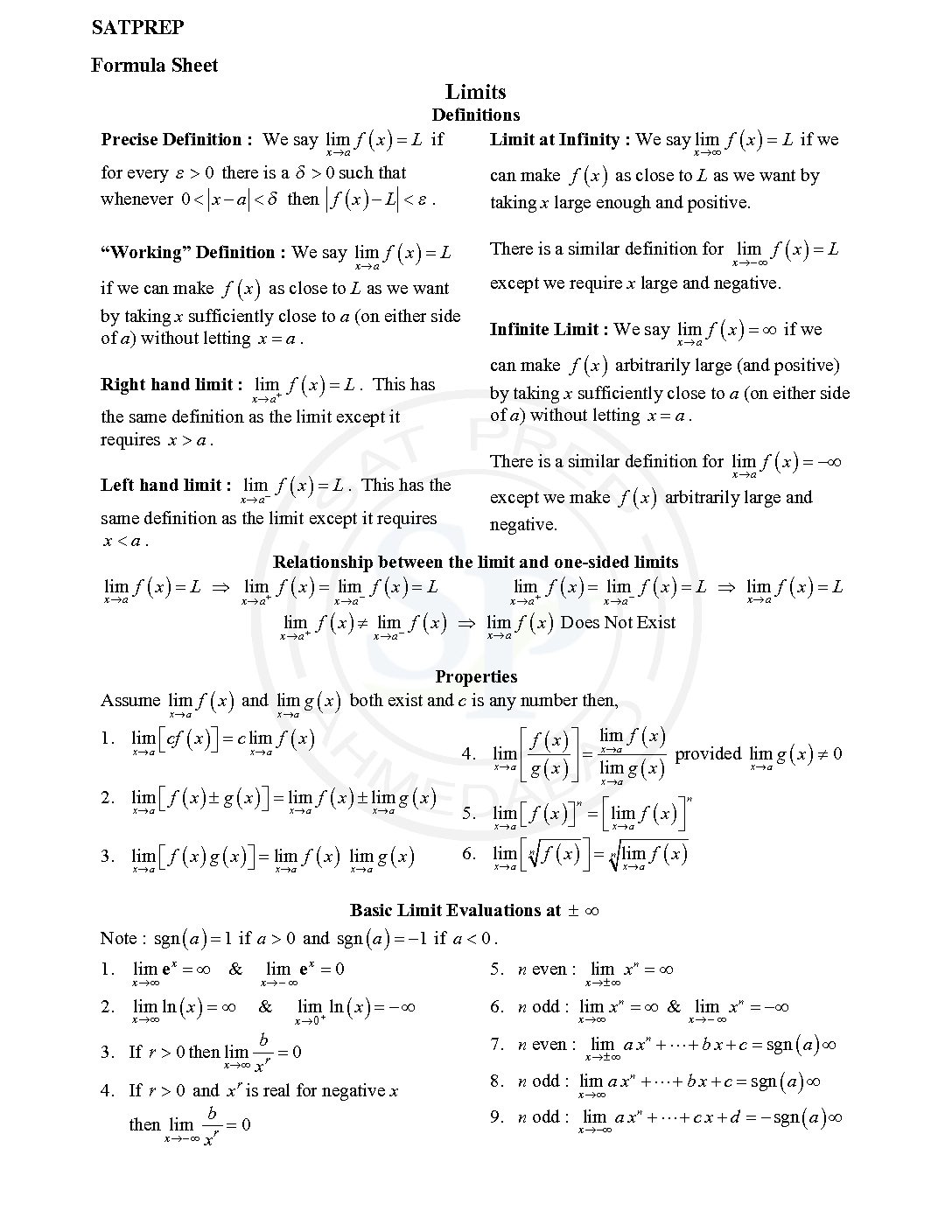
This formula sheet help the students for preparing AP calculus. Further this sheet also help for Optional Calculus of IBDP Math(HL) AP Calculus
Derivative
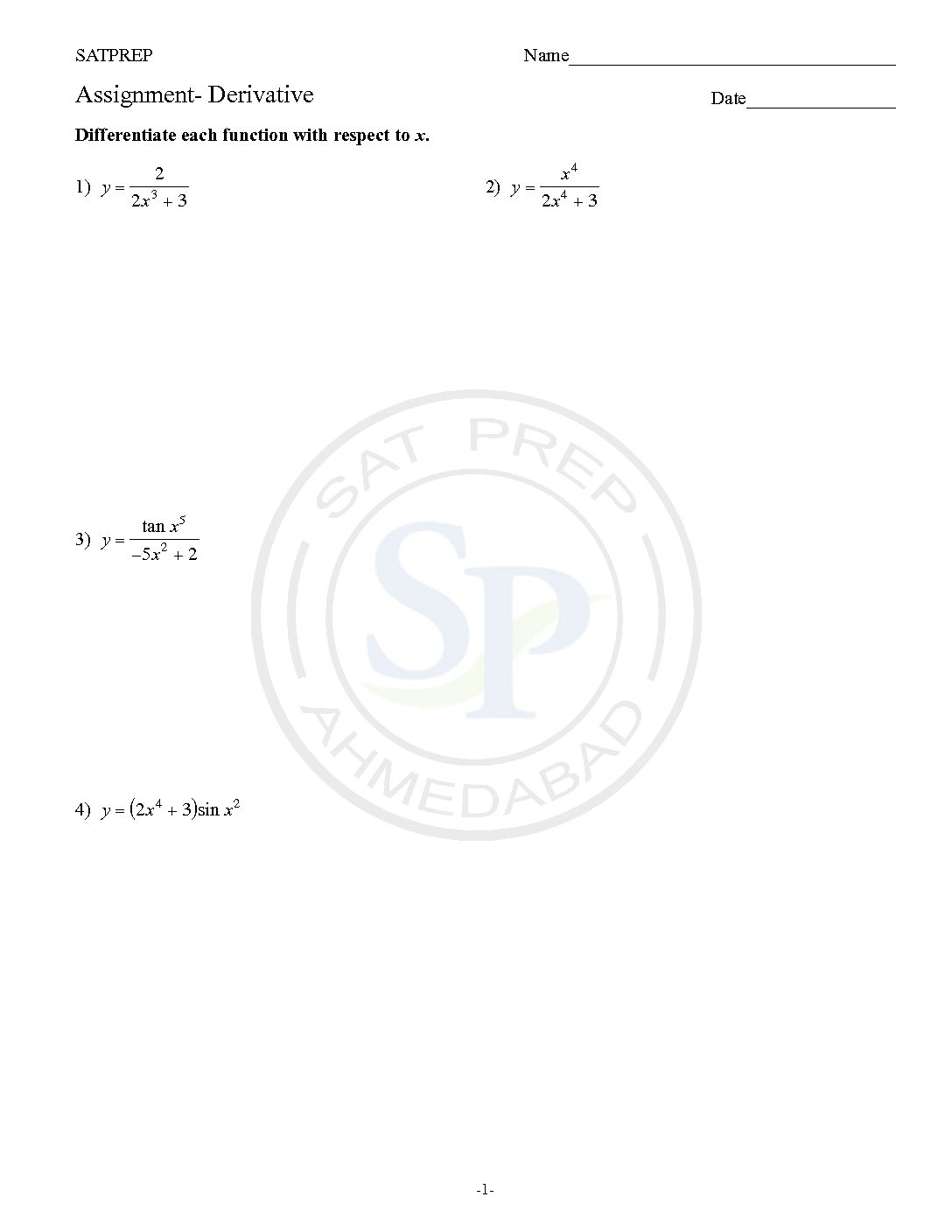
The first derivative test is a way to find if a critical point. Critical point is a relative minimum or maximum. The first derivative is negative to the left of the critical point, and positive to the right of it, it is a relative minimum. Second Derivative Test. 1. If , then has a local minimum at . 2. If […]
Derivative
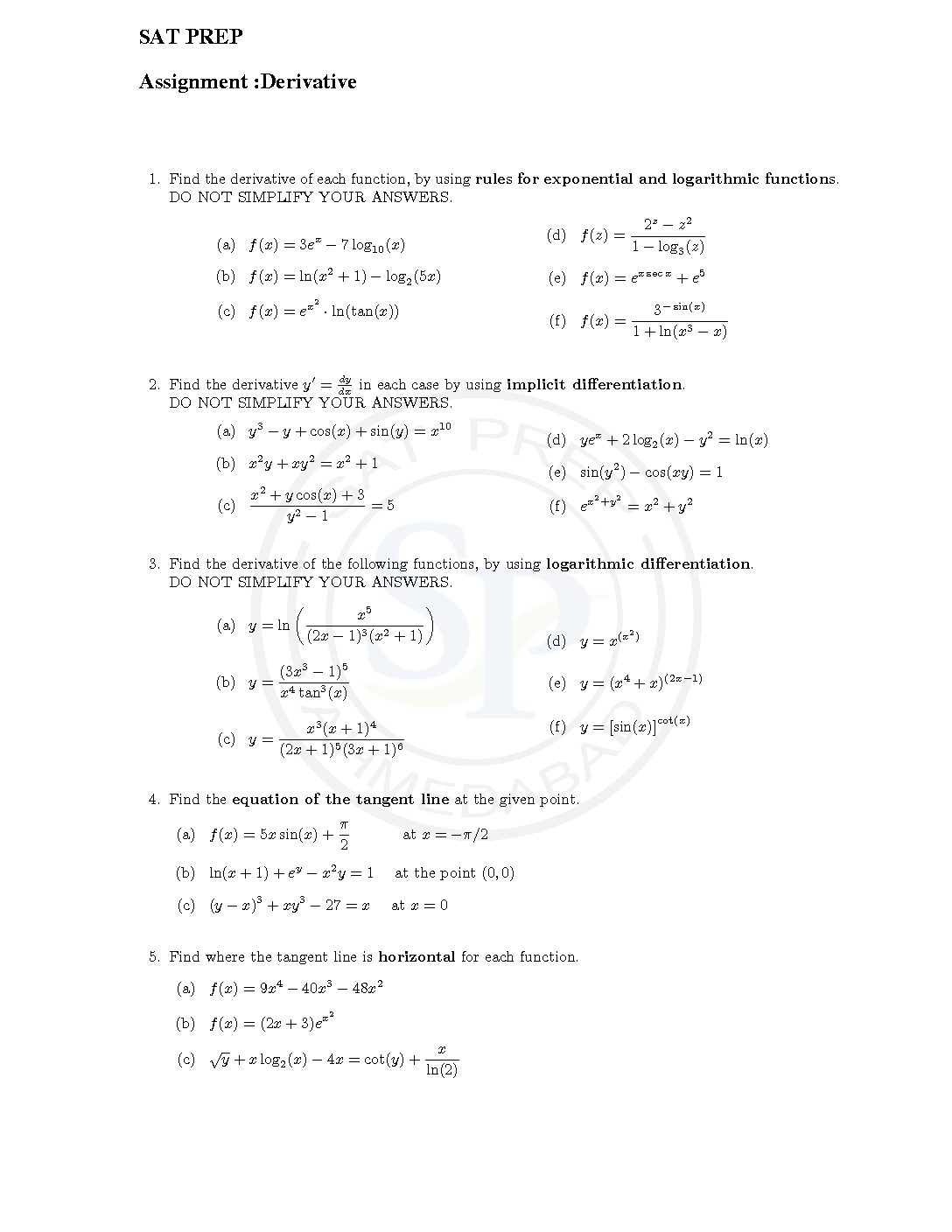
First derivative for stationary point of the curve. If the derivative changes from positive (increasing function) to negative (decreasing function), the function has a local (relative) maximum at the critical point. Second Derivative 1. If , then has a local minimum at . 2. If , then has a local maximum at . The extremum test gives slightly more […]
Discontinuity and Limit
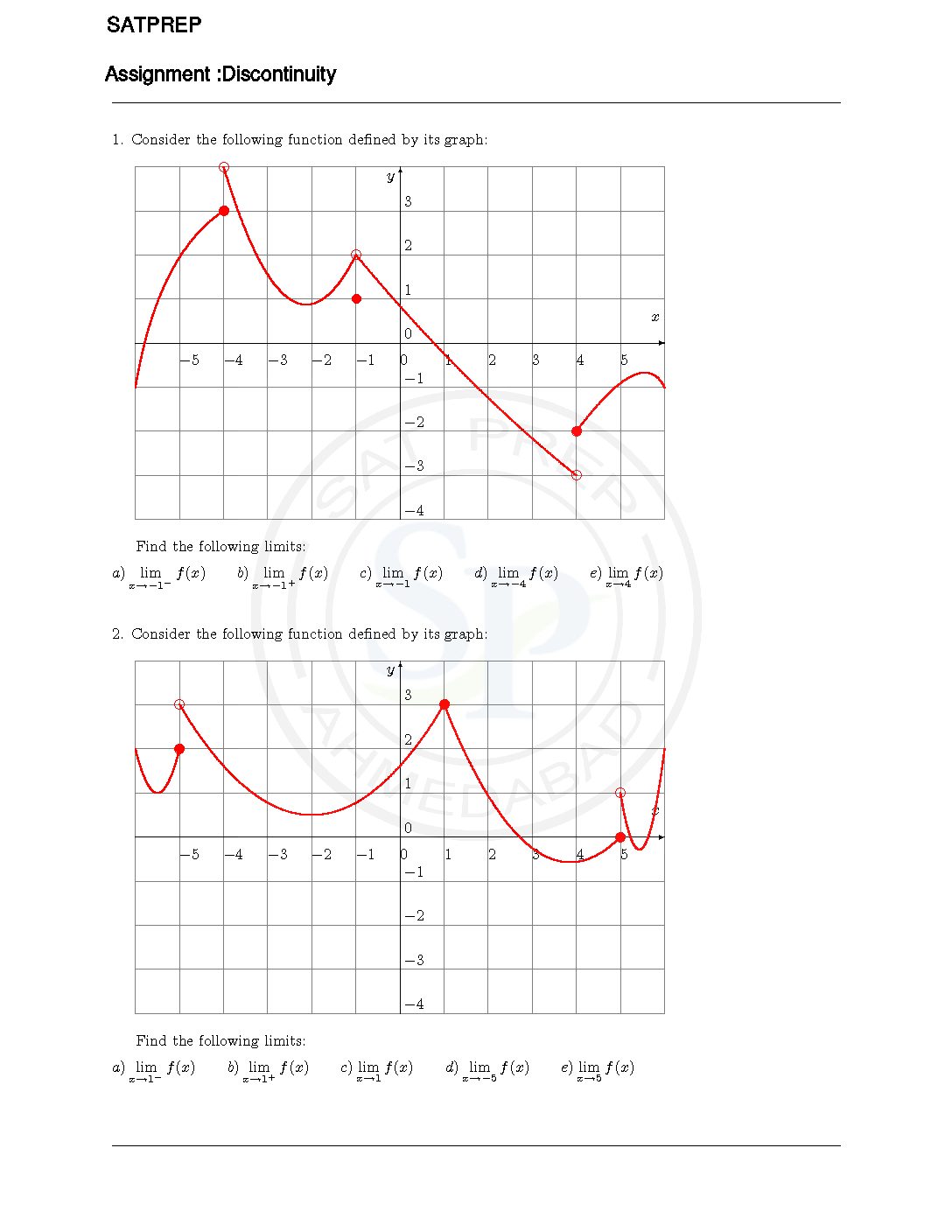
An infinite discontinuity exists when one of the one-sided limits of the function is infinite. If the two one-sided limits have the same value, then the two-sided limit will also exist. Discontinunity and limit
Average and Instantaneous rate of chan...
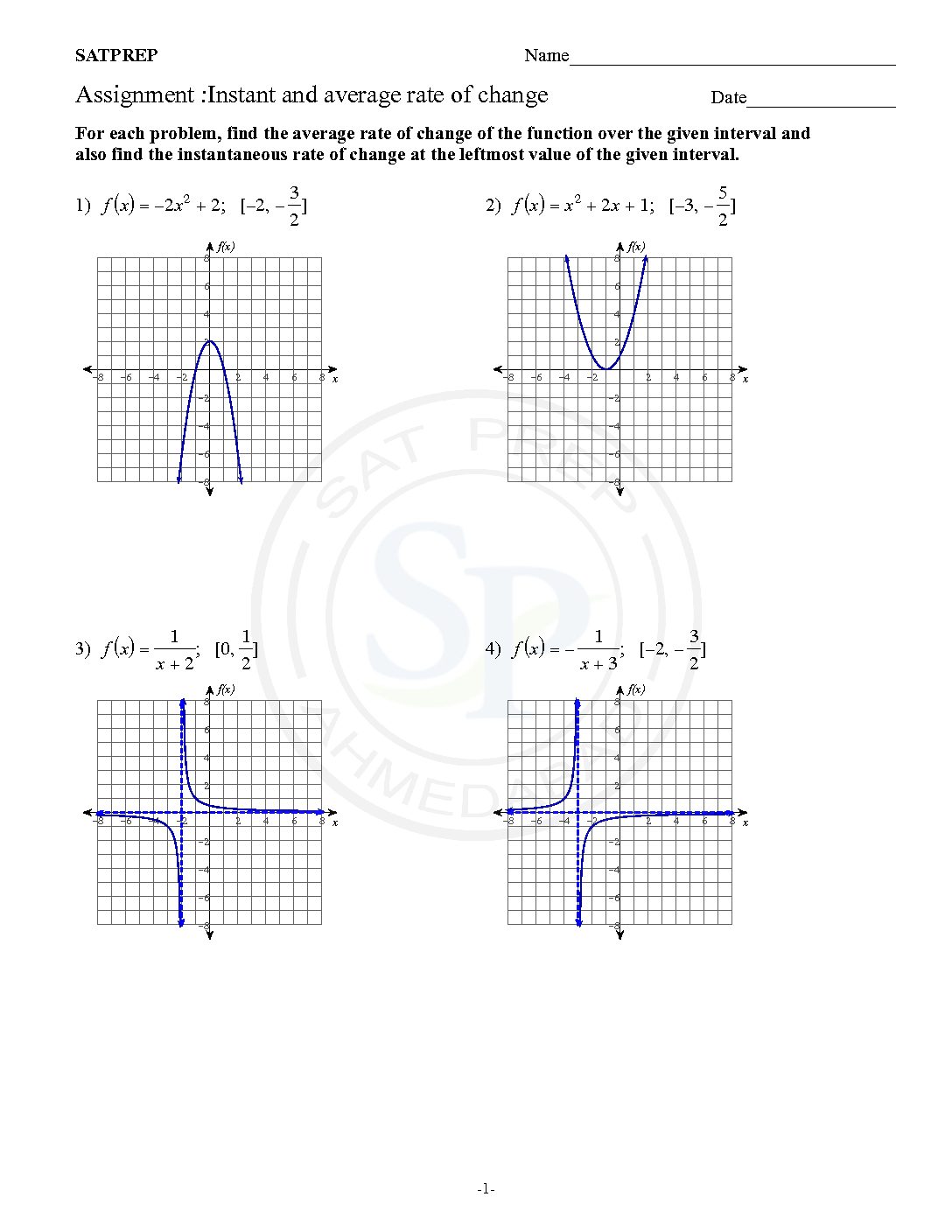
This rate of change is not the same as the average rate of change. Average rate of change instantaneous rate of change change in quantity change in time limits. We want to talk about instantaneous rate of change, instantaneous rate of change is a lot like instantaneous velocity only it’s a little more general Instant and Average rate of change
Continuity
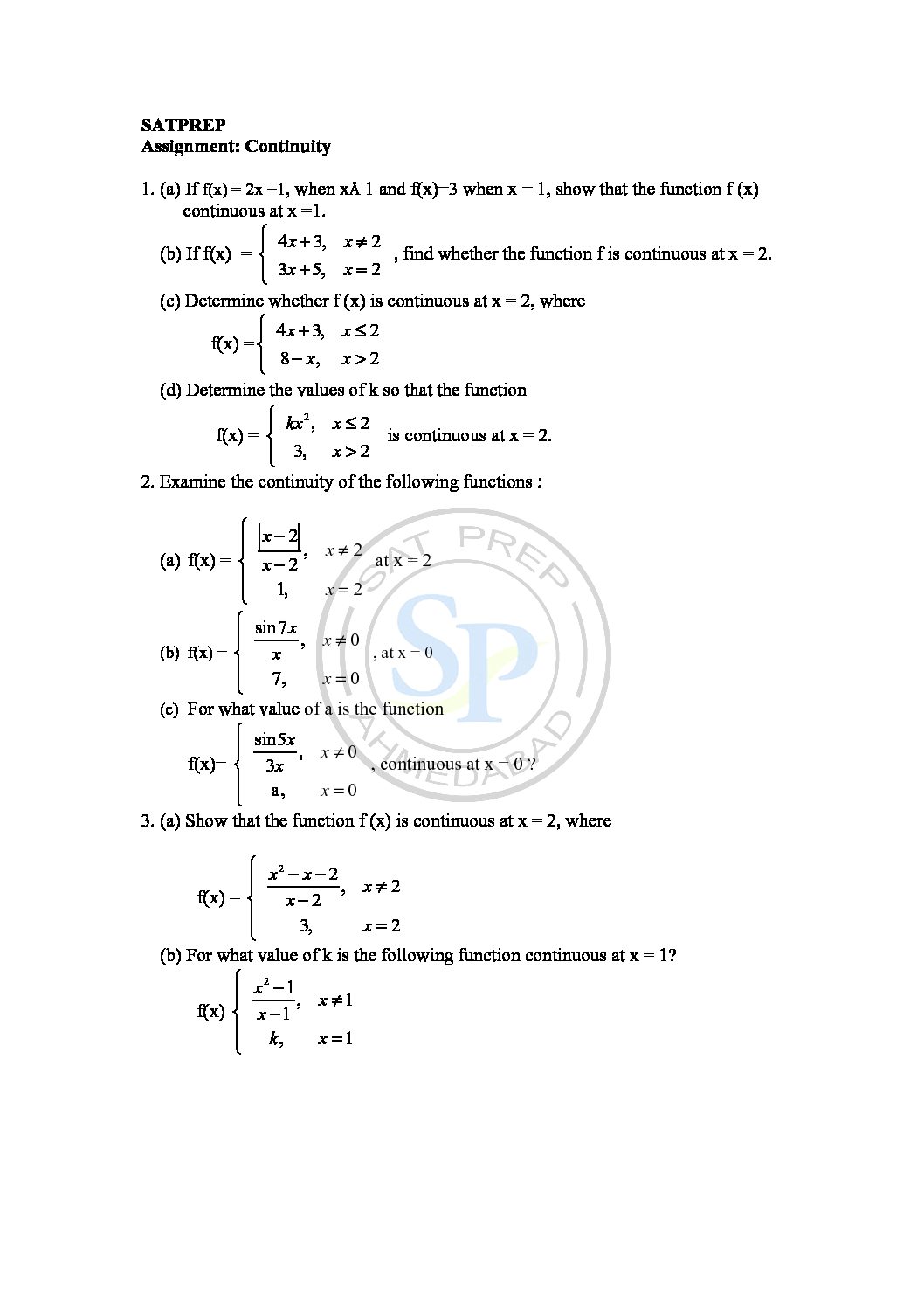
Continuity Theorems : a function is continuous if function is LHL = f(x) = RHL the function f (x) is continuous at that point. continuous
Continuity of Piecewise Function
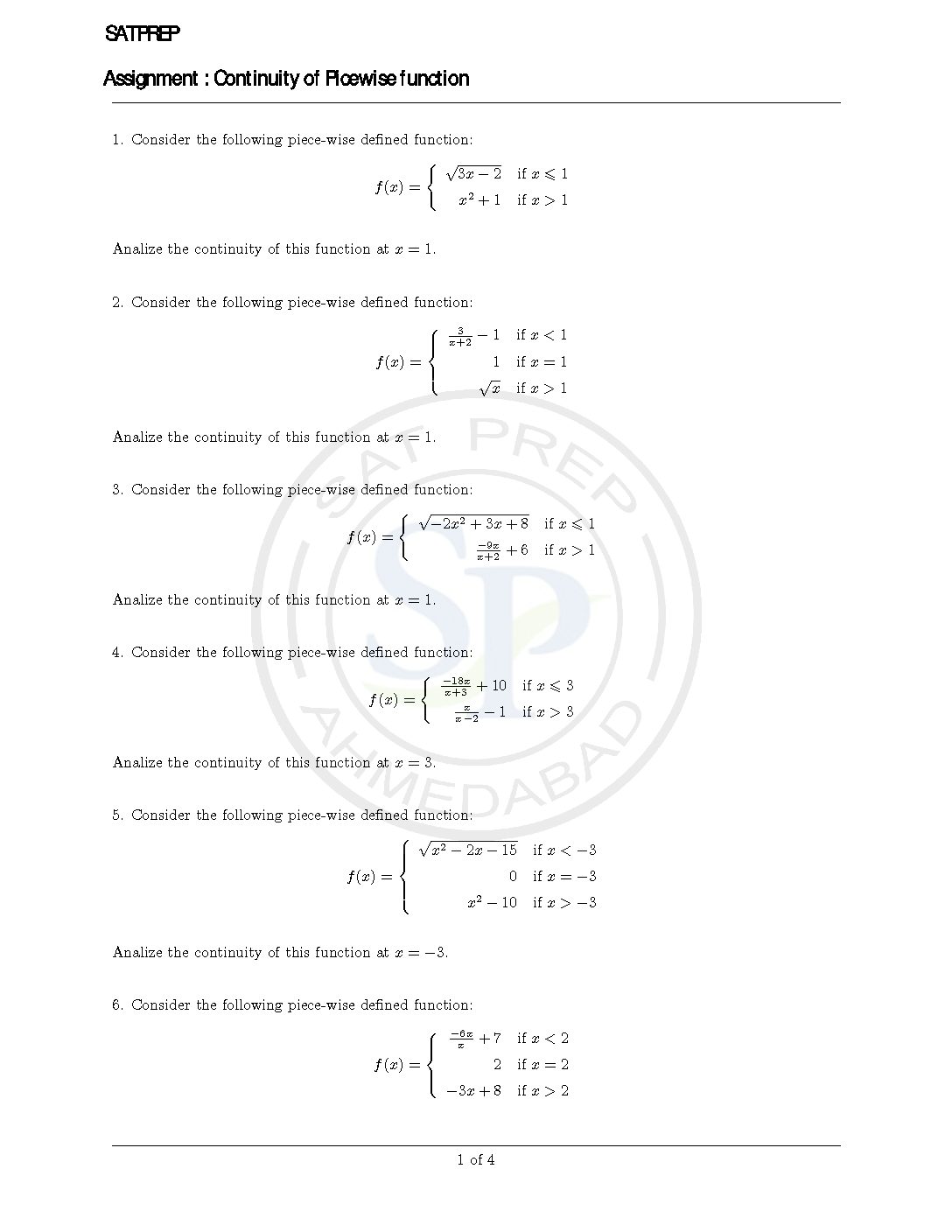
Limit of a continuous function at a point is equal to the value of the function at that point. Piecewise Functions. The piecewise function f (x) is continuous at such a point if and only of the left- and right-hand limits of the pieces agree and are equal to the value of the f. Continuity of Piecewise function
Limits- Trigonometric and Exponential
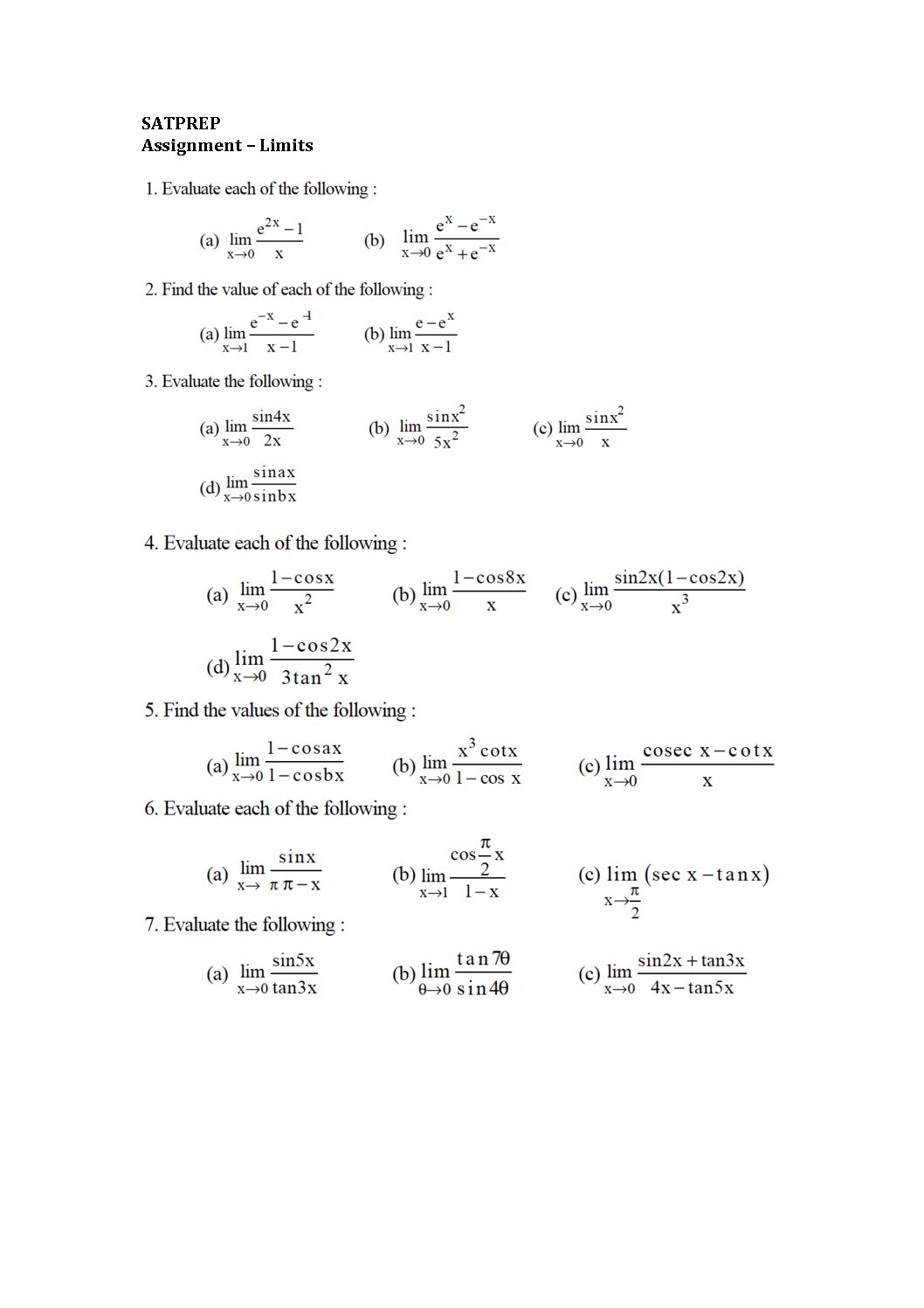
exponential and trigonometric functions without the use of limits. Hence Some critical trigonometric limits Sinning by degrees is costly. Further exponential functions also Limit – trigonometric and exponential