




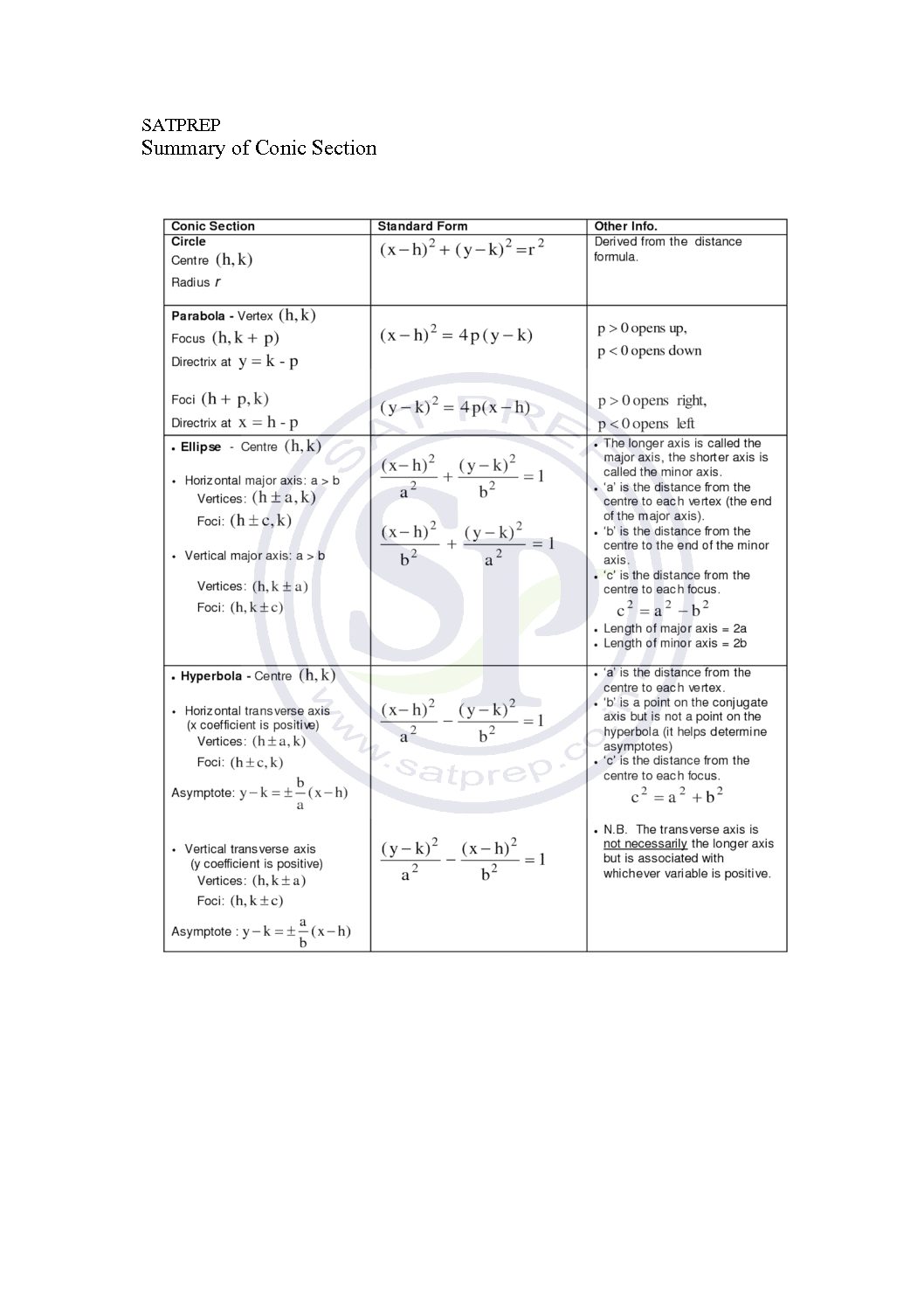
conic graphs can be “slanty”, as shown above. But the equations for the “slanty” conics get so much more messy that you can’t deal with them until after trigonometry. Summary of Conics
Certified Educators
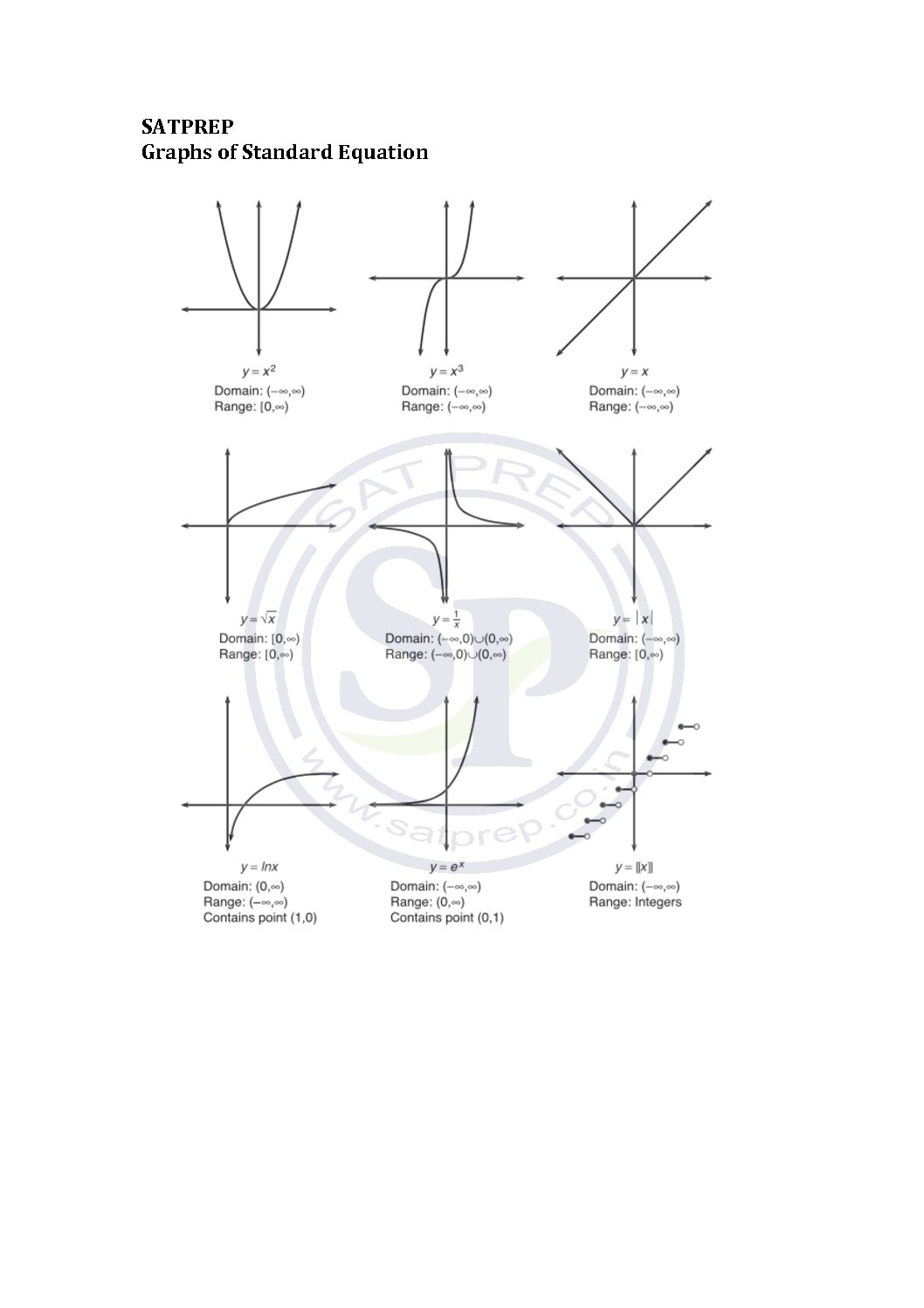
Graph of Functions
First Principle Method
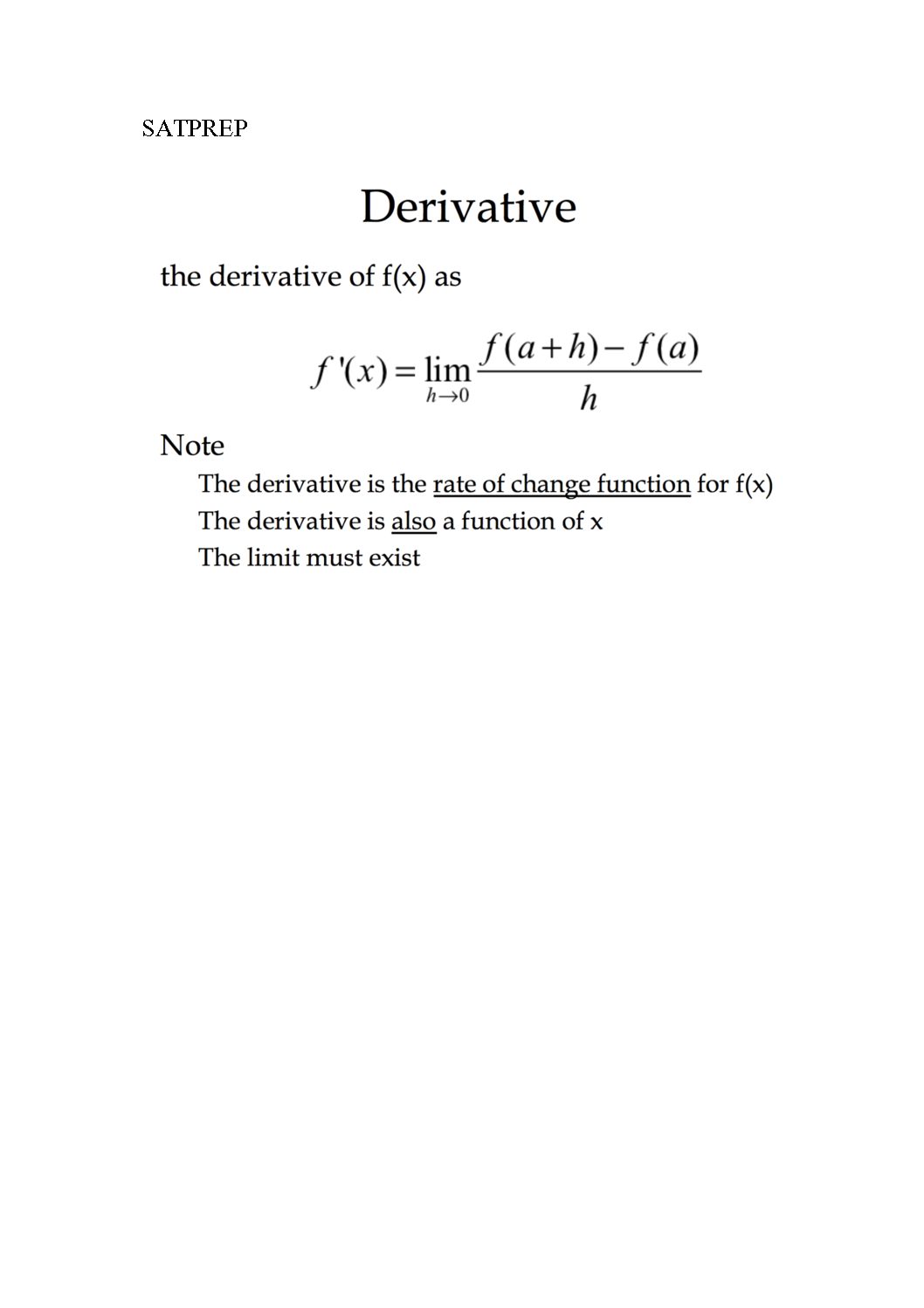
First principle method for differentiation. The gradient of the secant and the gradient of the tangent We can put this more precisely and more usefully. Derivative by First Principle. A derivative is simply a measure of the rate of change. It can be the rate of change of distance with respect to time or the temperature with […]
Limit and Continuity
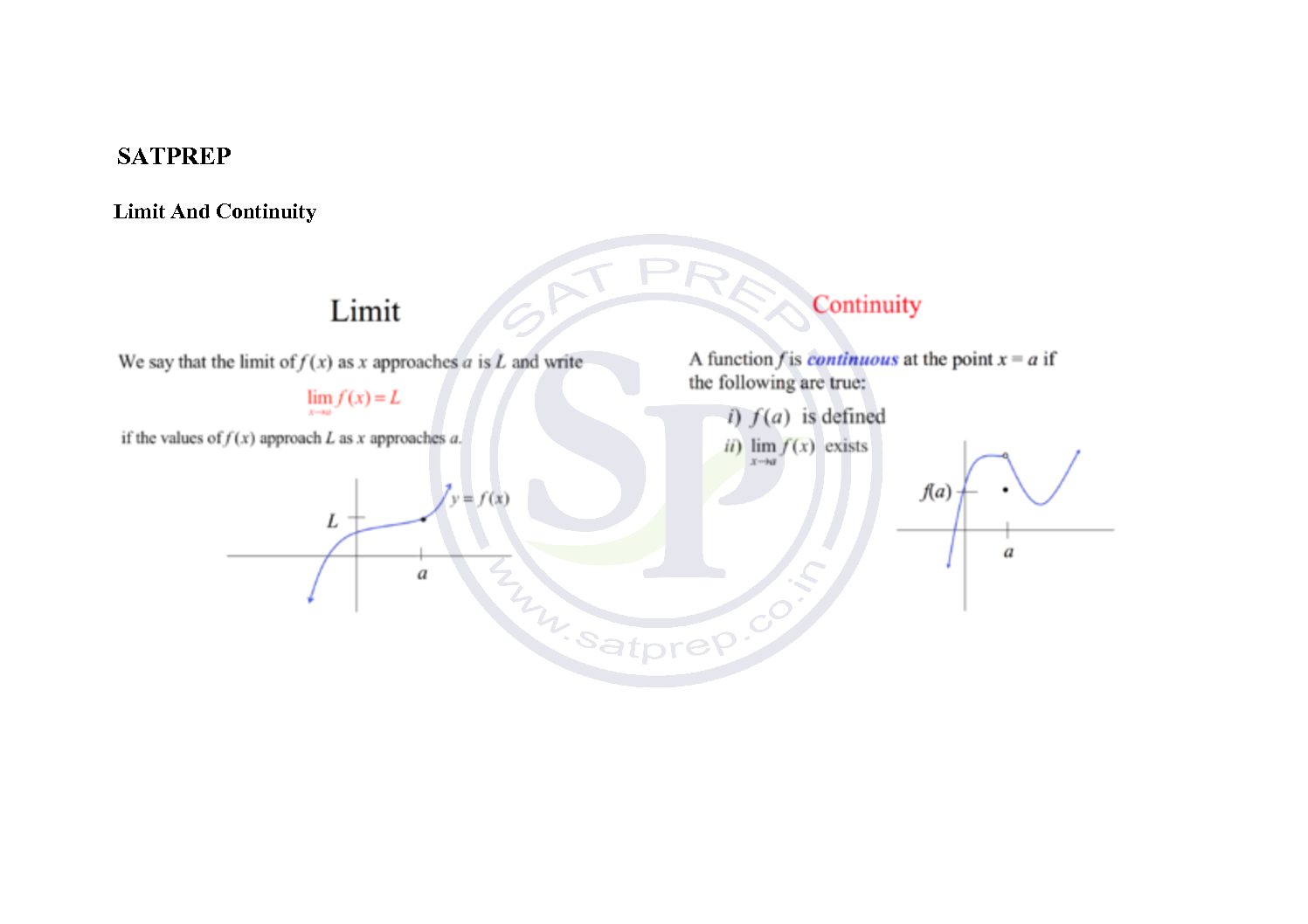
Concept Limits and Continuity is one of the most crucial things to understand in order to prepare for calculus. A limit is a number that a function approaches as the independent variable of the function approaches a given value. Further this is most important concept for calculus. Limits and Continuity
Second Fundamental Theorem of Calculus
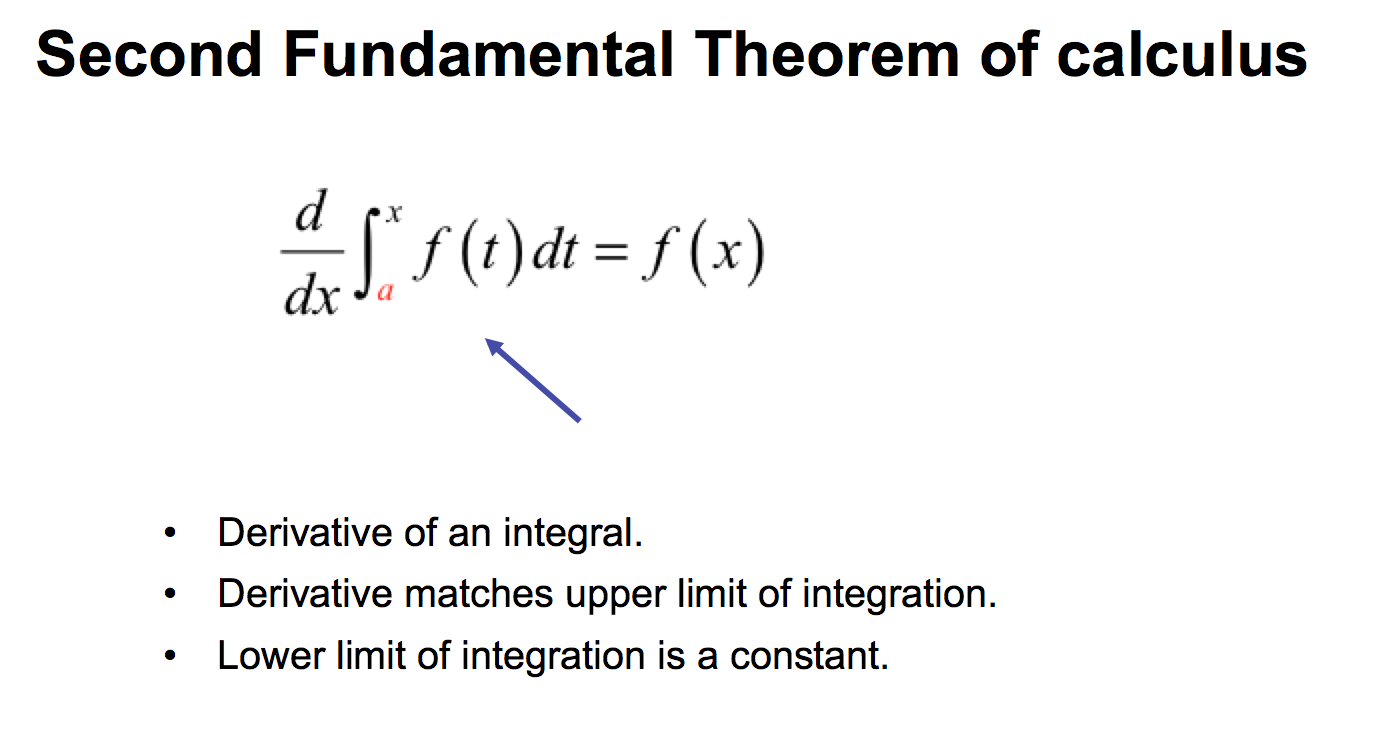
First fundamental theorem of calculus
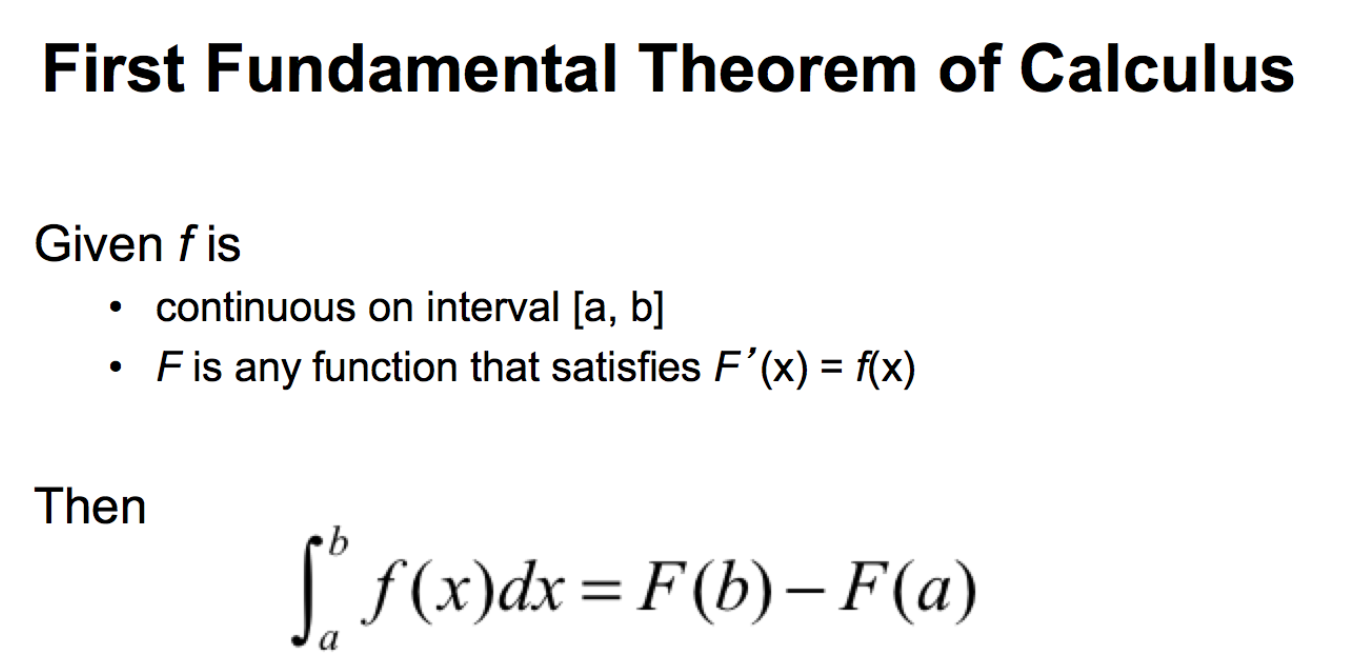
First fundamental theorem of calculus If we define an area function, F (x), as the area under the curve y=f (t) from t=0 to t=x, then the area function in this case is F (x)=c∗x. The fundamental theorem of calculus shows how, in some sense, integration is the opposite of differentiation Theorem of Calculus of integration