




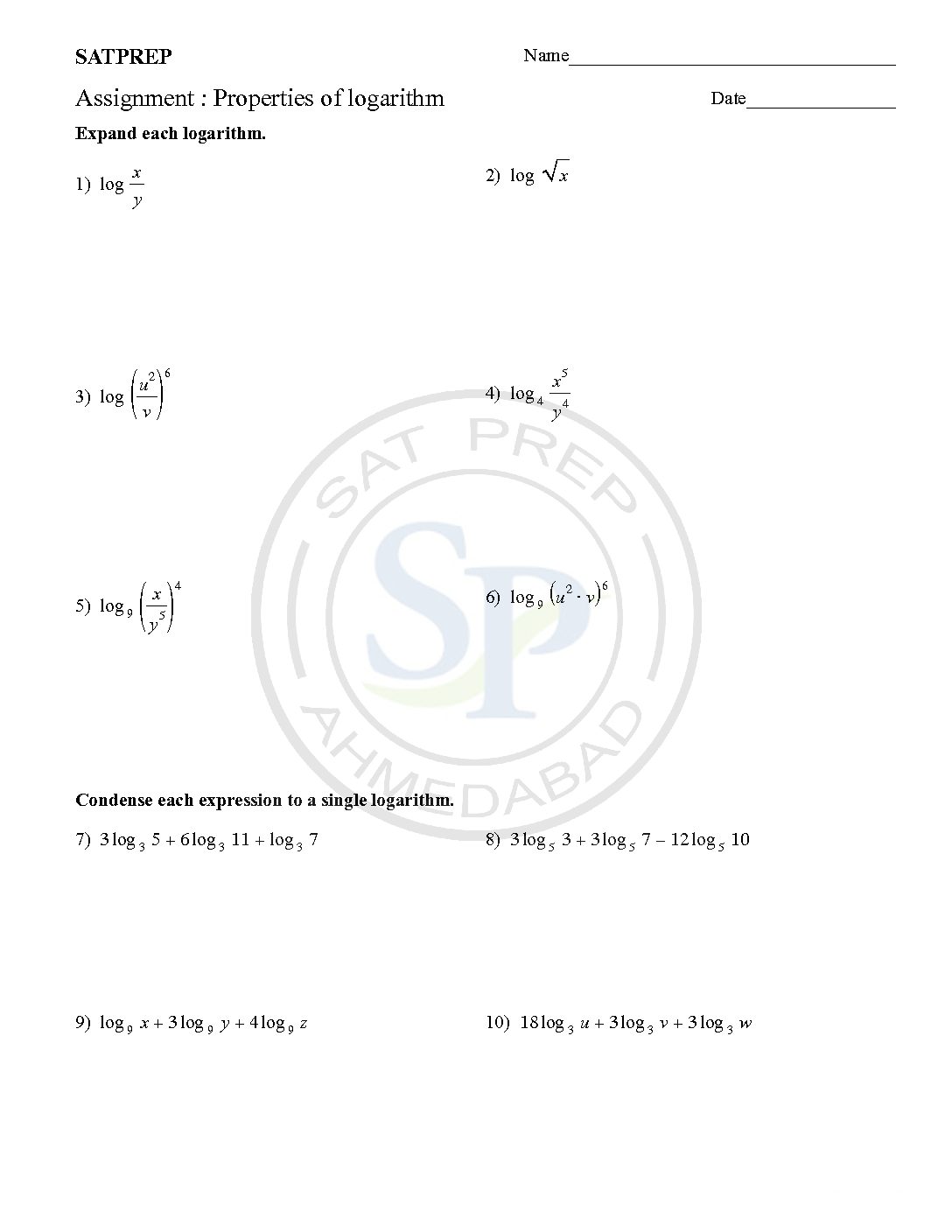
Properties of logarithms are use to evaluate or rewrite logarithmic expressions. Product Rule : ln x+ ln y = ln xy Quotient Rule : ln x – ln y = ln xy Power Rule : ln yx = x ln y Properties of logarithm
Exponent and Logarithm inverses
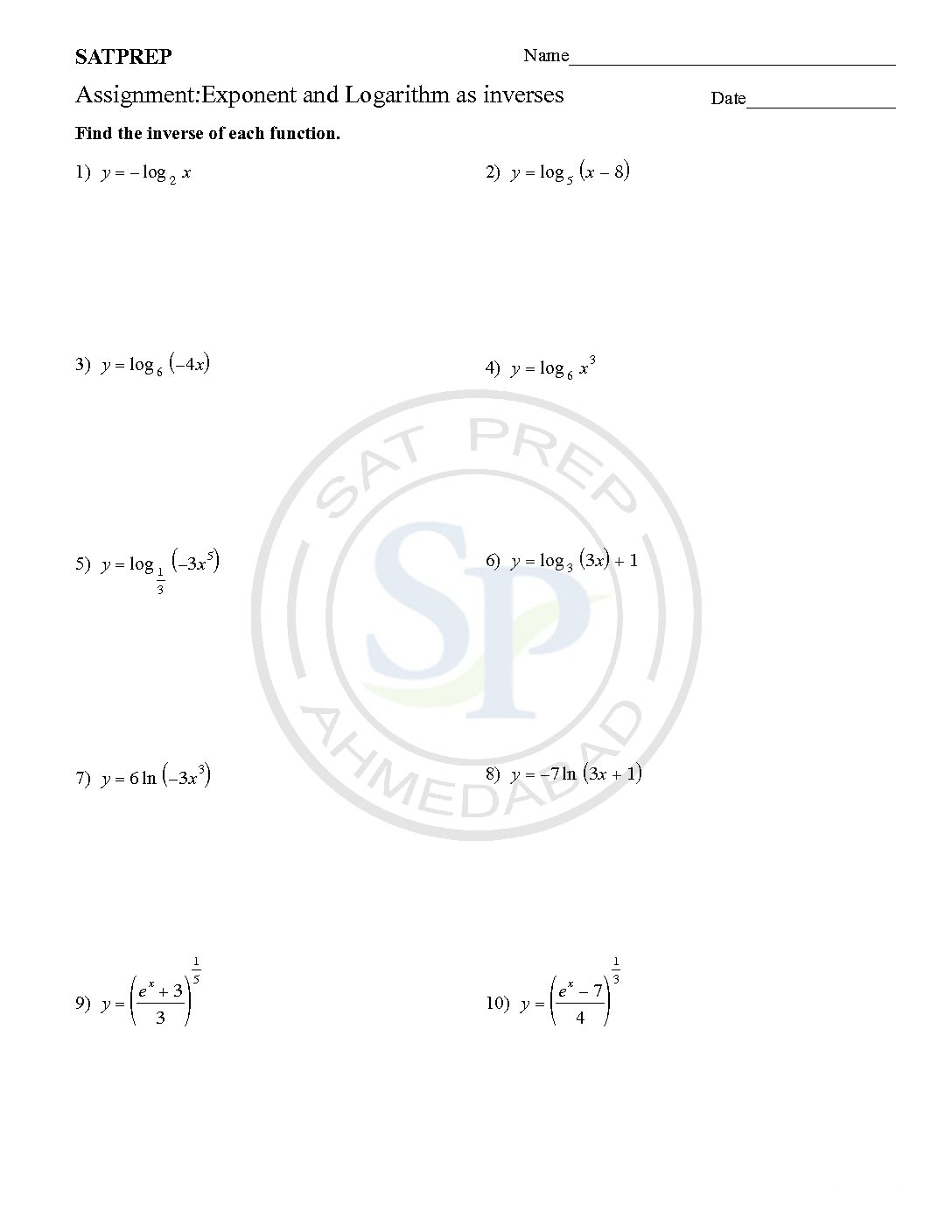
The inverse of the exponential function y = ax is x = ay. The logarithmic function y = logax is defined to be equivalent to the exponential equation x = ay. y = logax only under the following conditions: x = ay, a > 0, and a≠1. It is called the logarithmic function with base […]
Combinations And Permutations
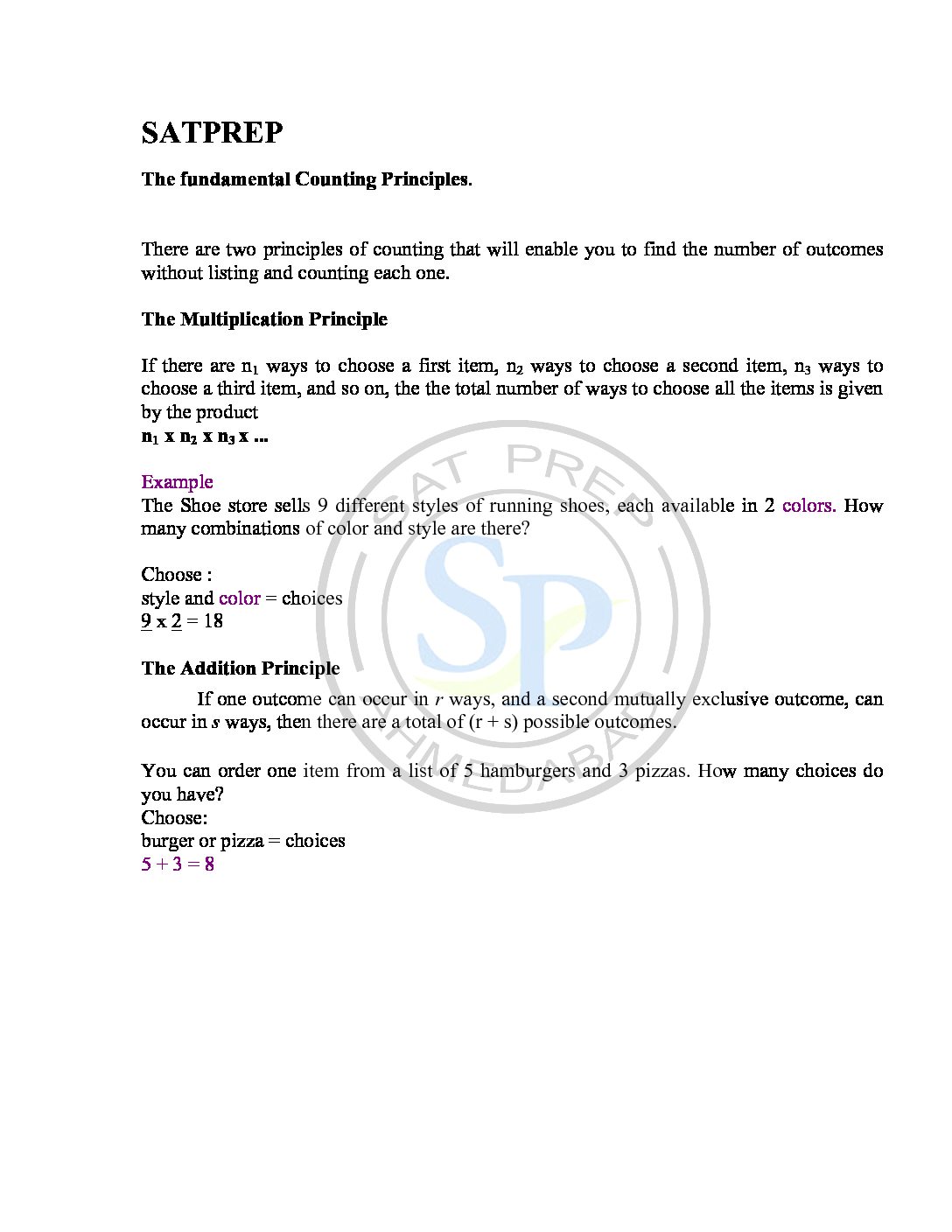
Combinations is a very important topic of mathematics as well as the quantitative aptitude section. In permutation we arrange object while in combination we select items. Combination and permutation
Binomial theorem
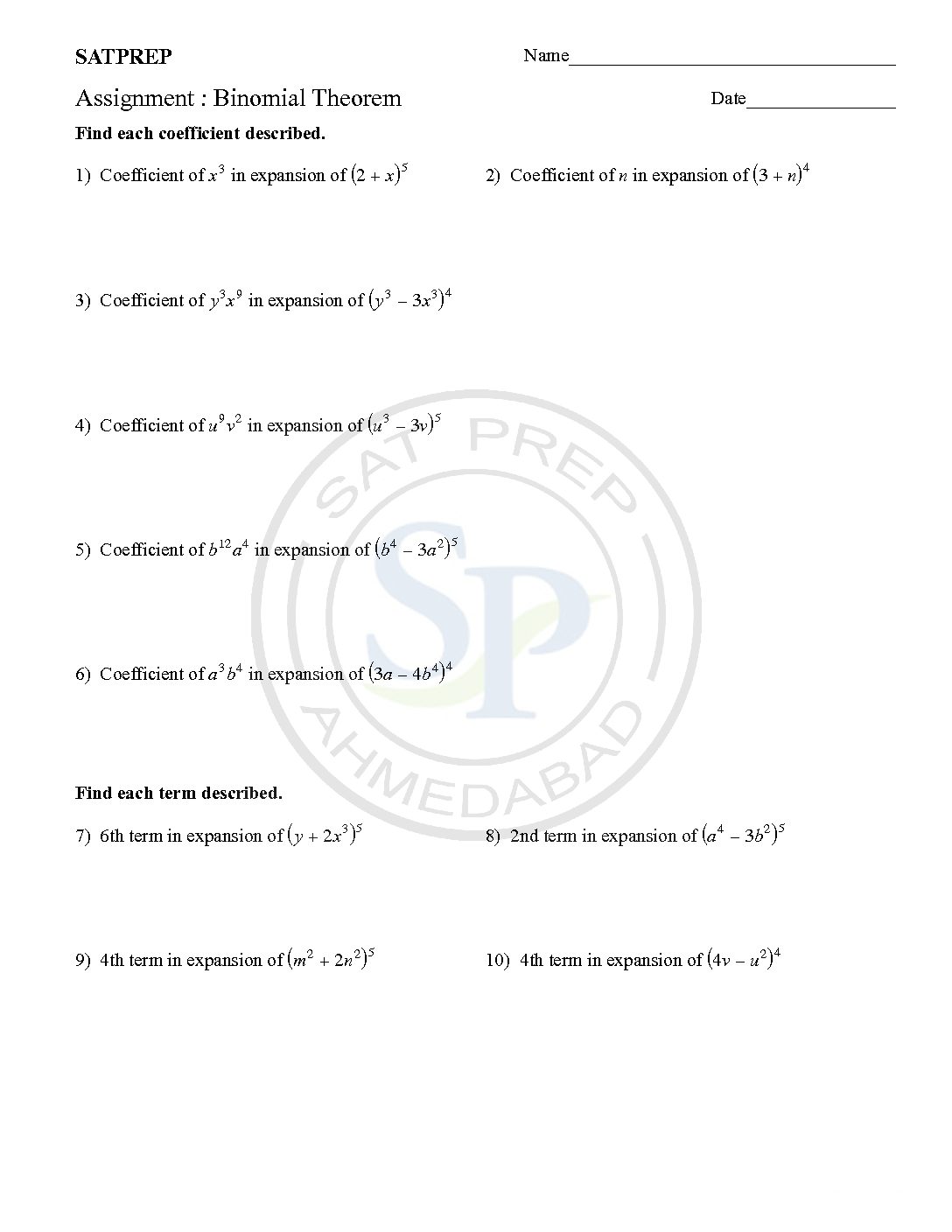
The expansion of two terms is know as Binomial theorems . Another way it is generalised form of expansion. Due to expansion of two term it is binomial. “What are the binomial coefficients?” . It shows how to calculate the coefficients in the expansion of (a + b) n. The symbol for a binomial coefficient nCr. As well as […]
Binomial and Sequence
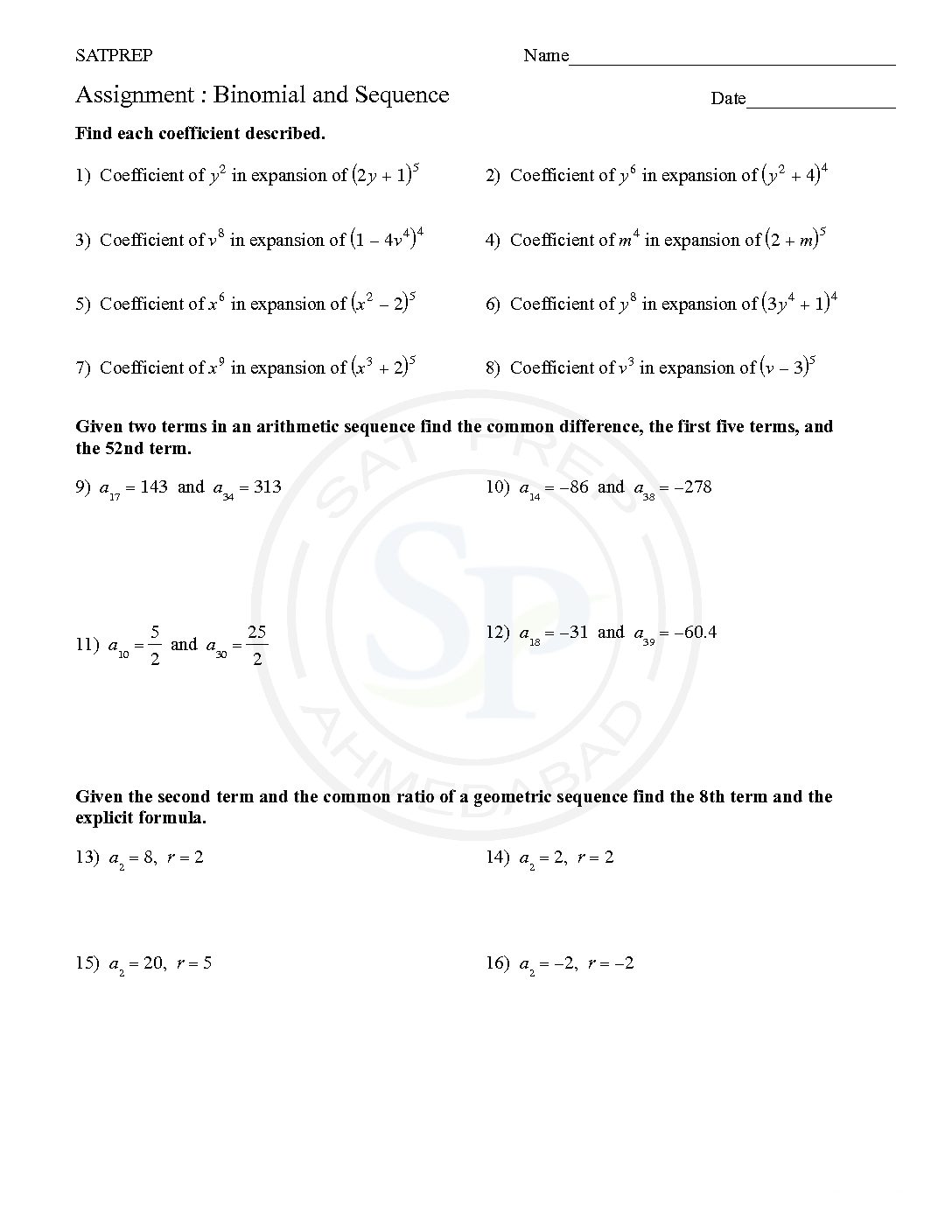
General term of sequence is calculate by pattern of sequence as common ratio or common difference. Hence we can identify sequence Arithmetic or geometric by common ratio or common difference. Series when terms are in addition. Therefore common ratio of series is less than 1 then geometric series is called convergent series . Binomial expansion […]
Point of inflection
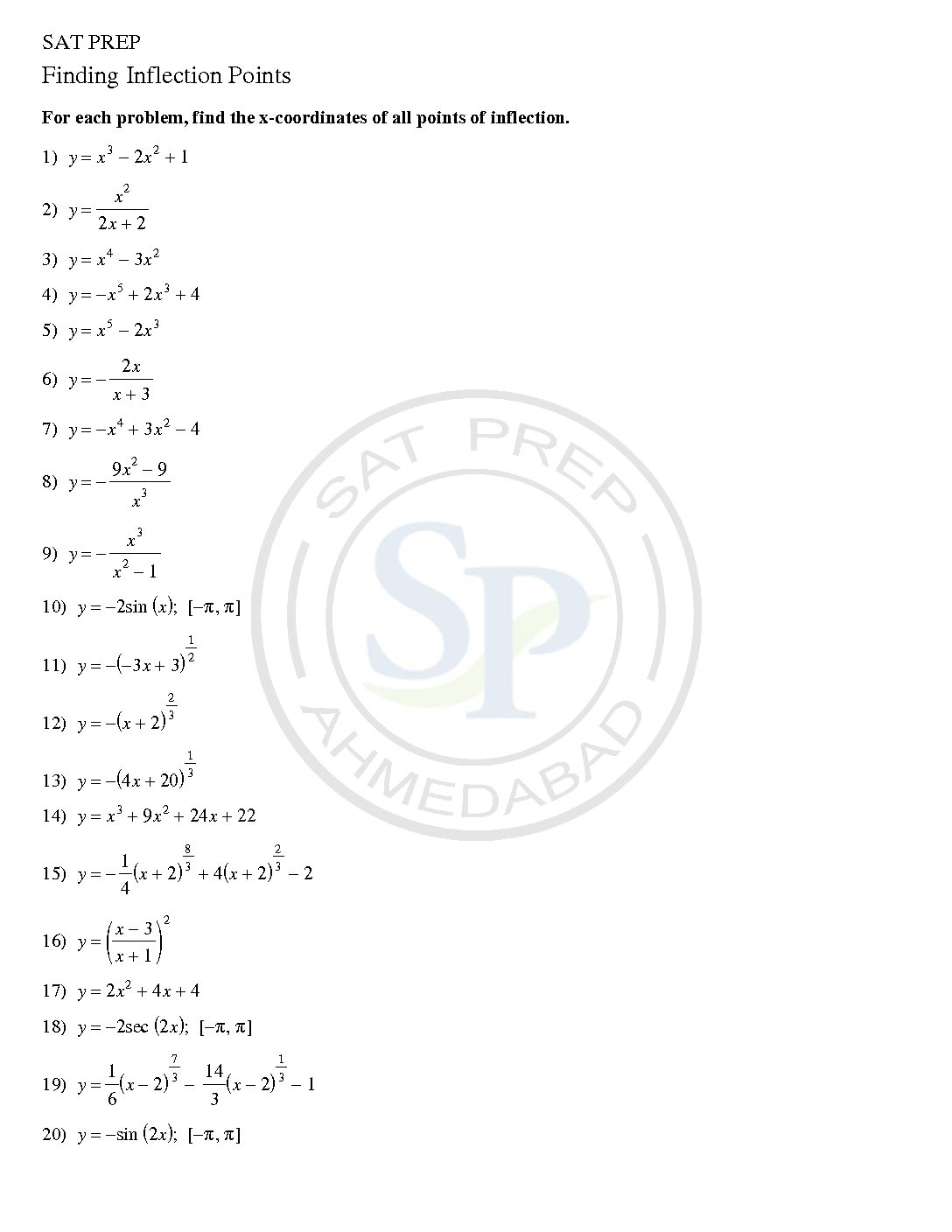
Inflection Point. An inflection point is a point on a curve at which the sign of the curvature (i.e., the concavity) changes. Inflection points may be stationary points, but are not local maxima or local minima. For example, for the curve plotted above, the point is an inflection point. Point of infection
Syllabus of SAT / PSAT Math
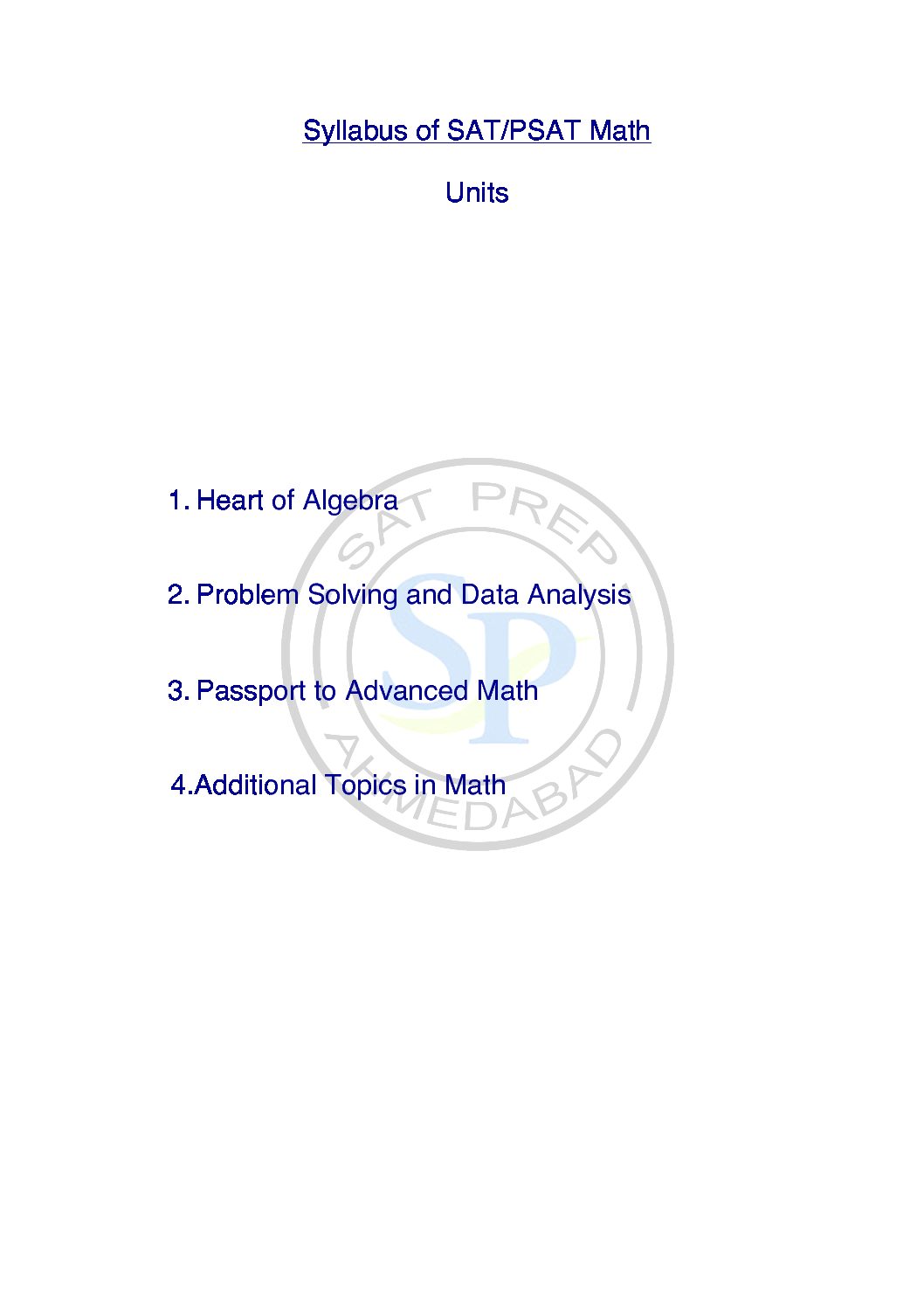
SAT which is known Scholastic Aptitude Test . PSAT is the abbreviation for Preliminary SAT . SAT tests measure the same skills and knowledge. Hence SAT is super set of PSAT. Another PSAT is practice SAT. Also National Merit Scholarship Qualifying Test (NMSQT). PSAT/SAT
Triangles
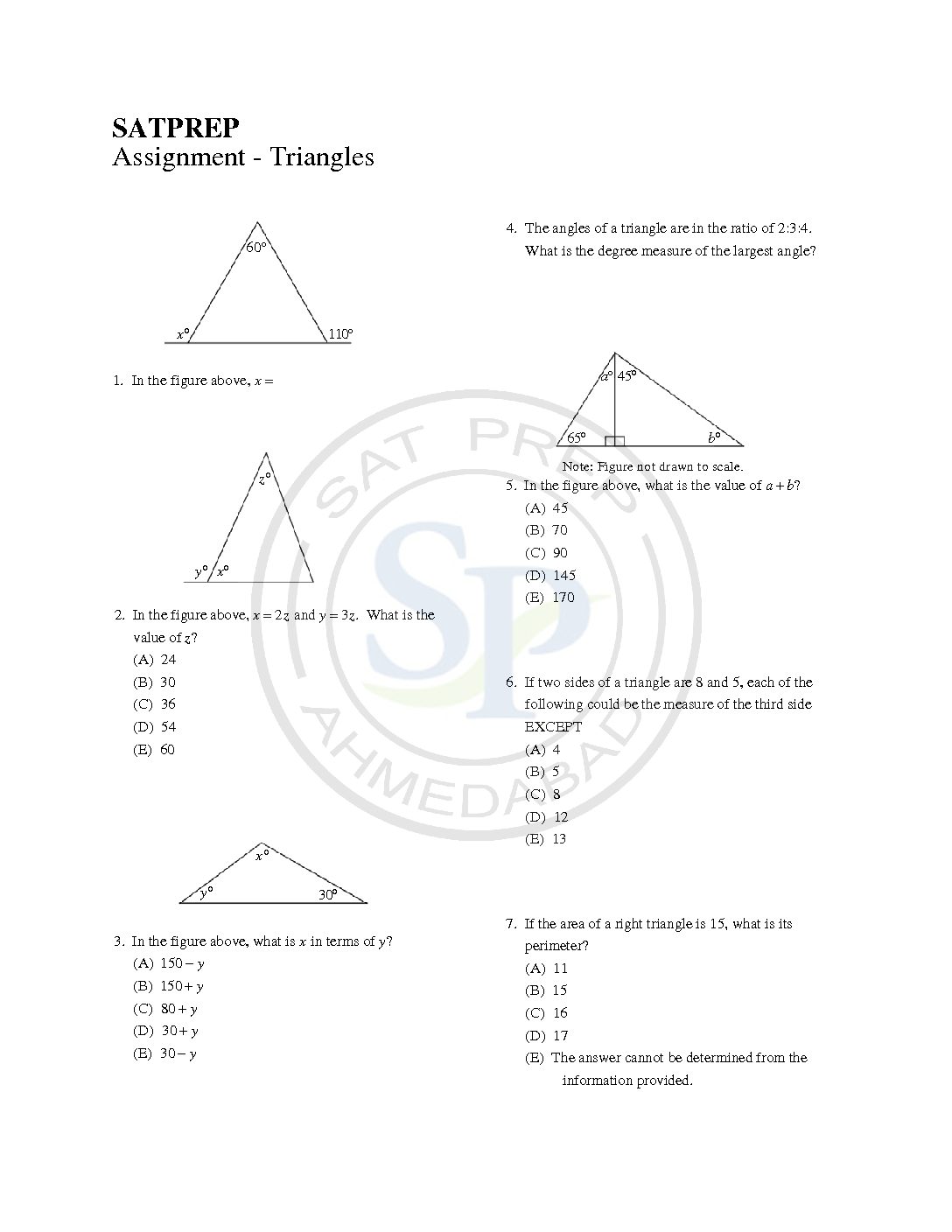
An equilateral triangle has all sides the same length. The Triangle can be classified according to the lengths of their sides: Similarly triangle also classified as per angles. Triangle
Imaginary No
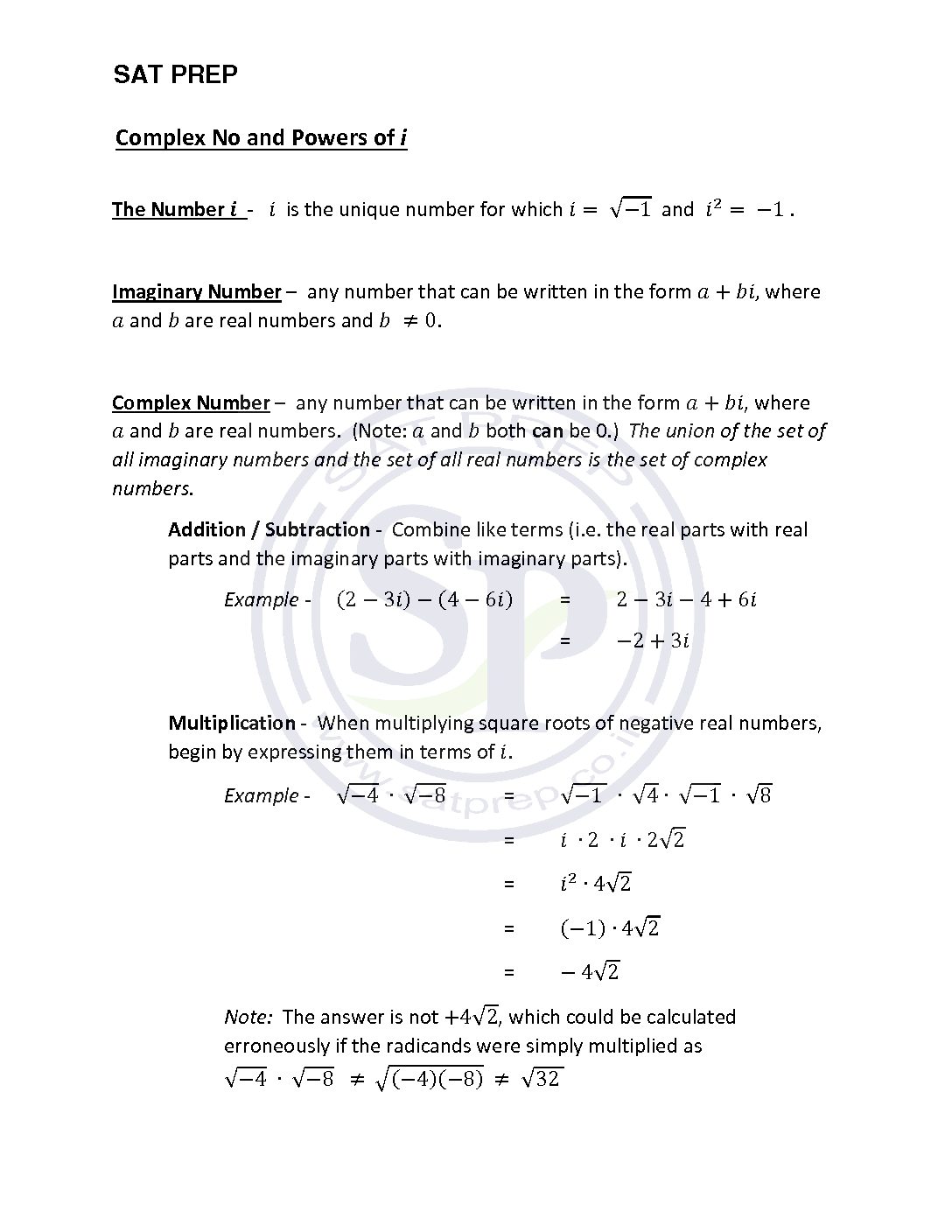
A number is an imaginary number when it multiplied by square root of negative no. An imaginary number is the square root of a negative number and does not have a tangible value.”Complex” numbers have two parts, a “real” part (being any “real” number that you’re used to dealing with) and an “imaginary” part (being any number with an […]
3D shapes
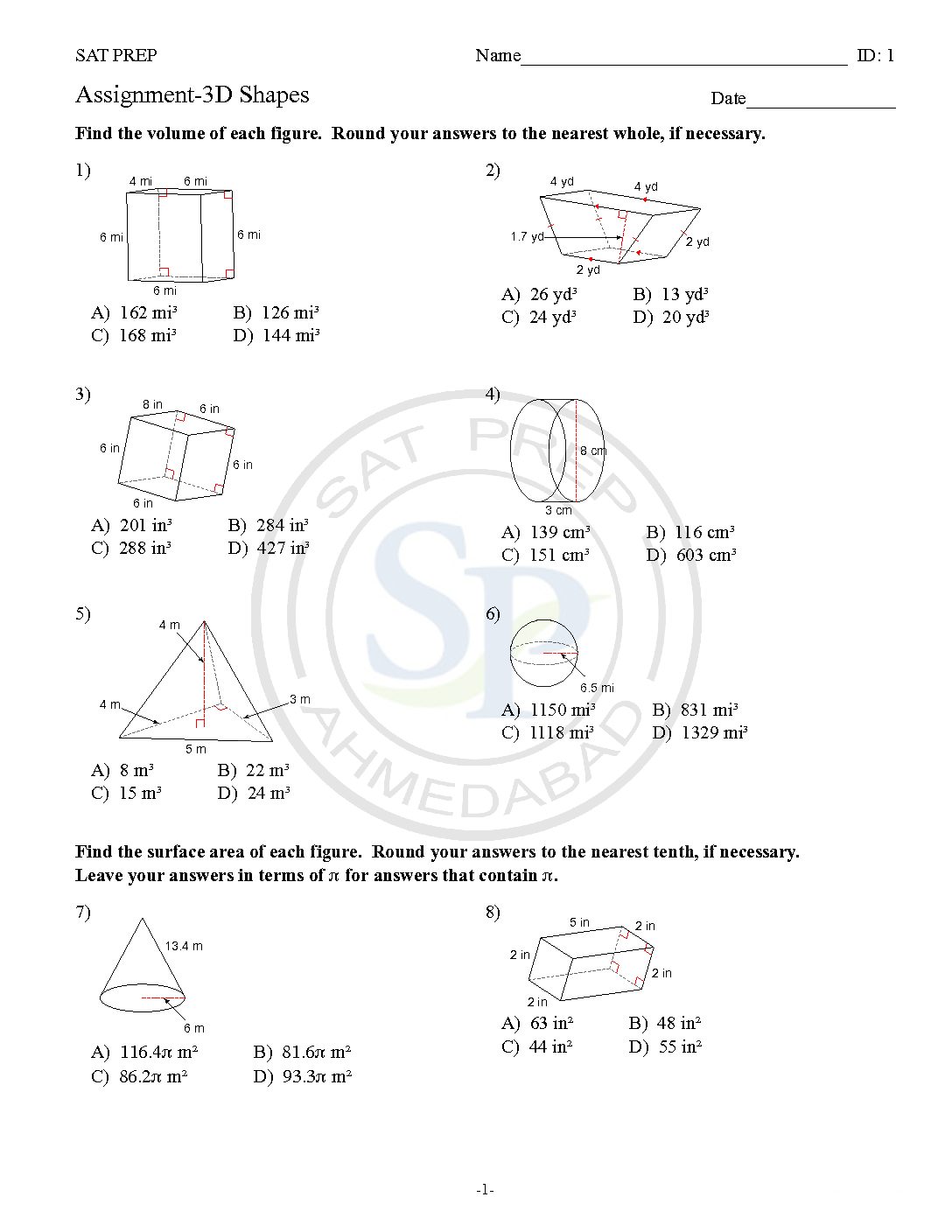
3D Shapes Resources. 3D shapes are solid objects that have three dimensions. These dimensions are length, width, and height. While 2D shapes are flat, 3D shapes objects that have depth to them. 3D Shapes