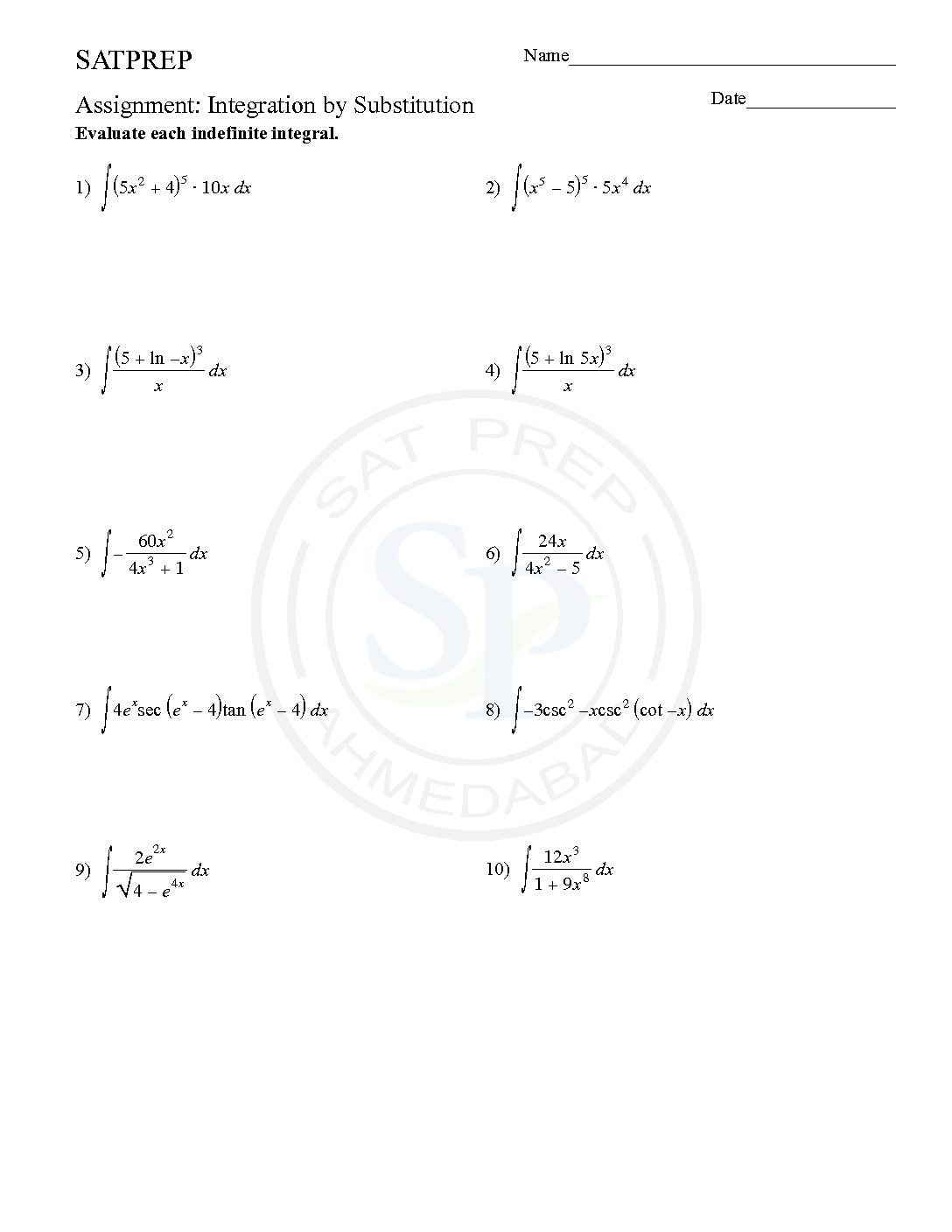
This post is about worksheet of integration by logarithmic substitution. It also one of most important concept of integral calculus . The function ƒ(φ(t))φ′(t) is also integrable on [a,b] Integration by logarithmic substitutions
You are browsing archives for
Category: Cambridge Maths A
Integration by Parts

By parts apply for integration when different functions are in product form . As well as one derivative of another. By parts
Derivative of polynomials
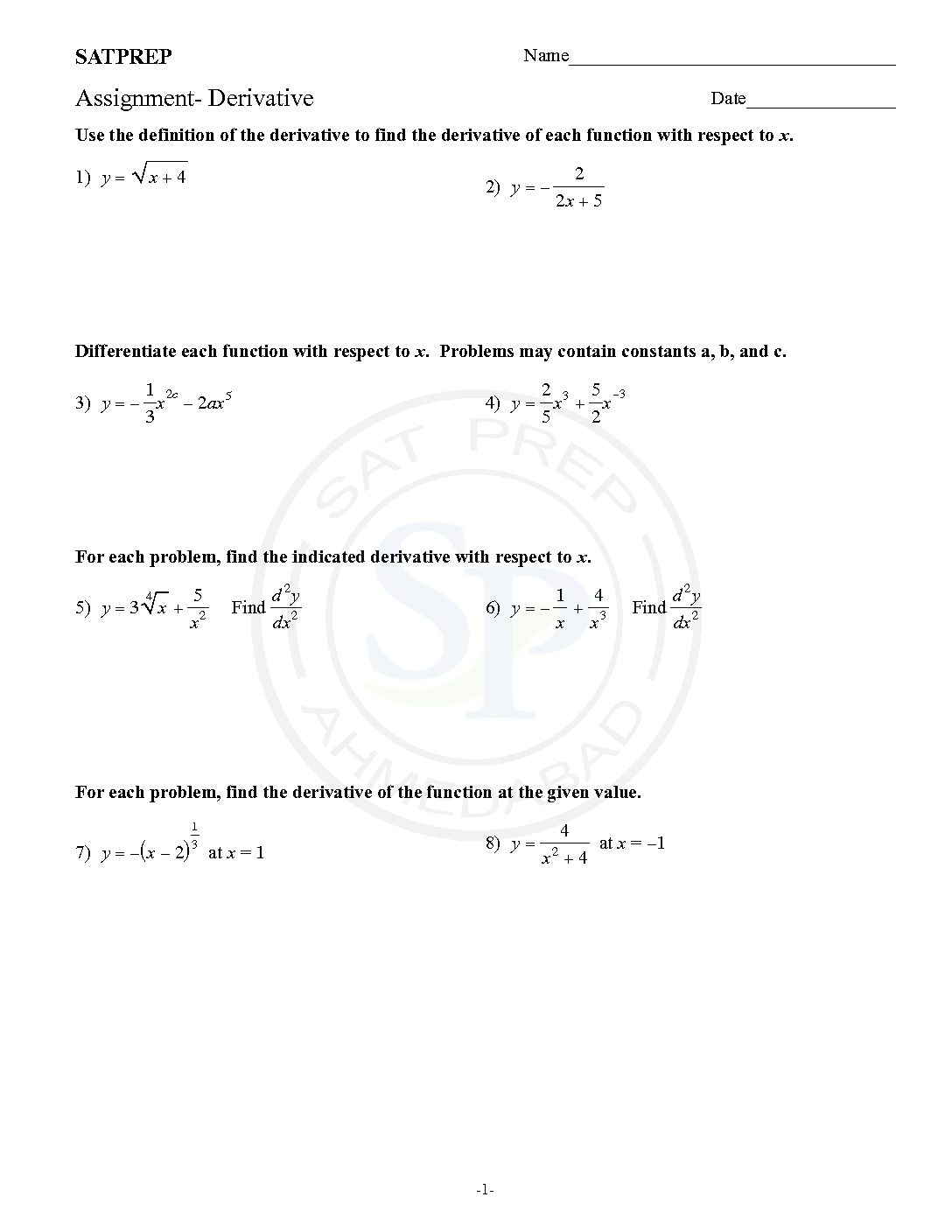
Derivative is product of differentiation. Differentiation has applications to nearly all quantitative disciplines. For example, in physics, the derivative of the displacement of a moving body with respect to time is the velocity of the body, and the derivative of velocity with respect to time is acceleration. Therefore differentiation is process Derivative
Optmization-3
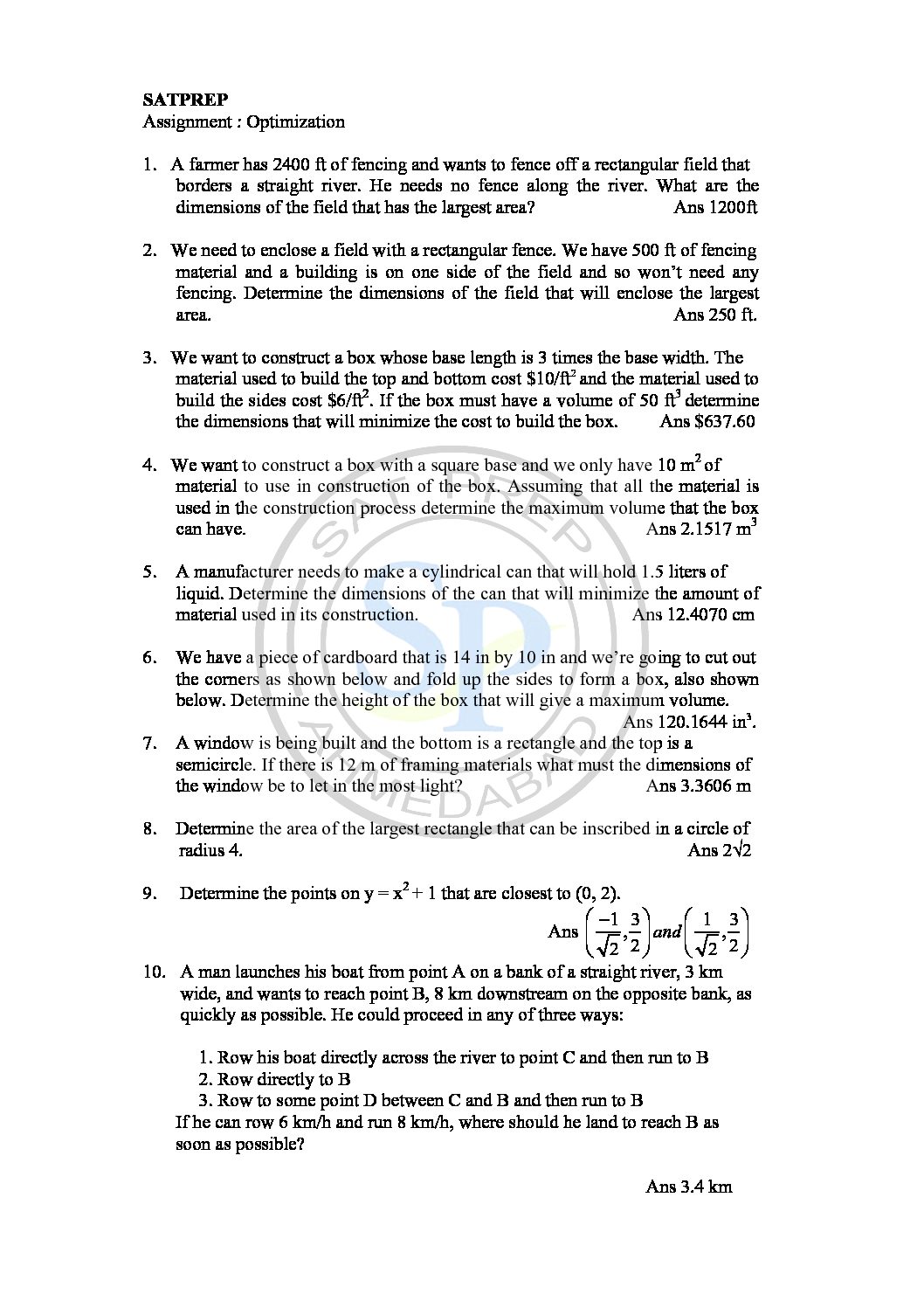
Process of optimisation means optimal value of function at turning point (maximum or minimum ) value of the curve. Therefore second derivative use to find greatest or least value . Also it show greatest value. Optimization
Domain and range
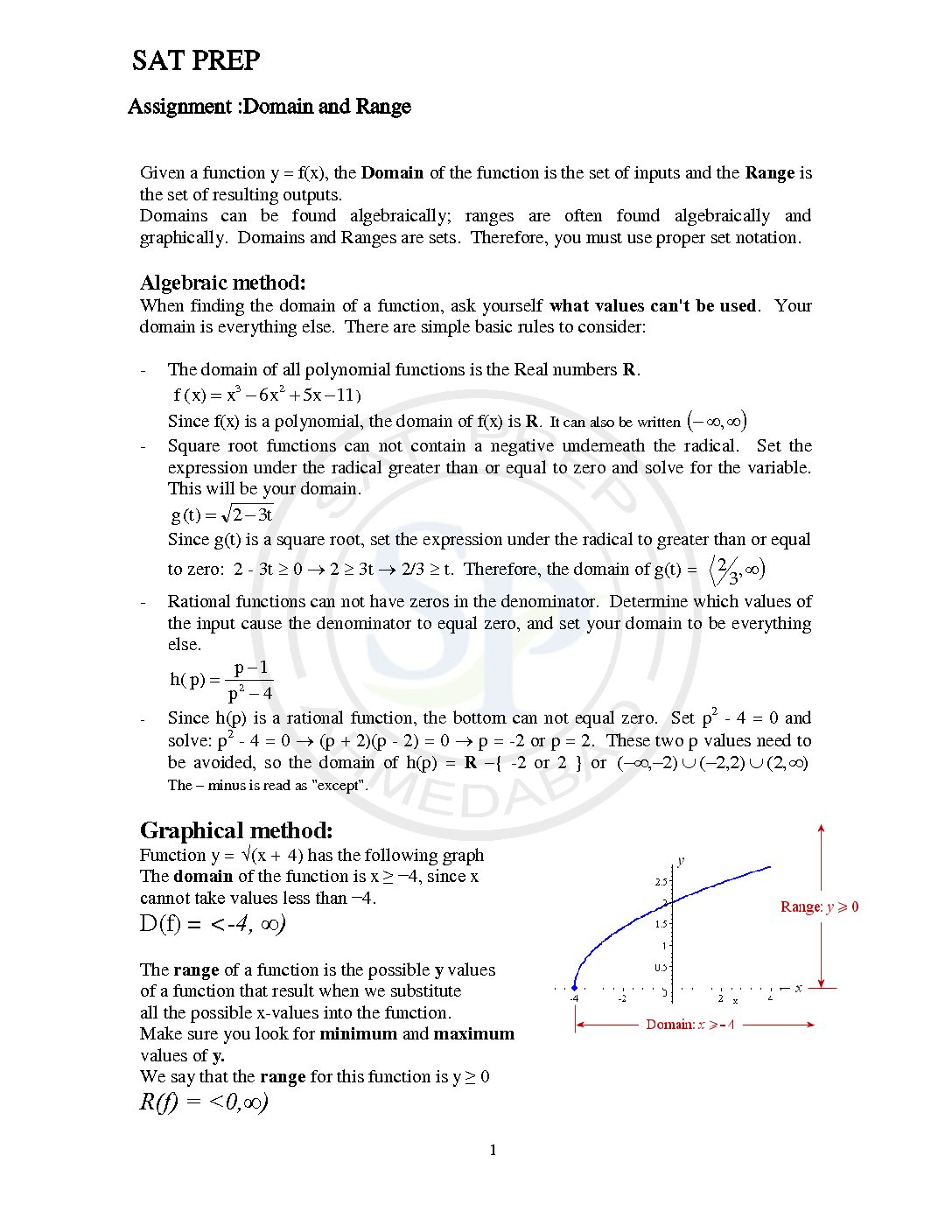
Domain represent values of x , while range represented by F(x) or y function. Mostly , functions are portrayed as a set of x/y coordinates. Therefore y-axis serving as a function of x. When we use function F(x) notation then one is independent variable and another dependent variable. Due to this on Y-axis F(x) represent. Domain and range
Graph of Trigo function
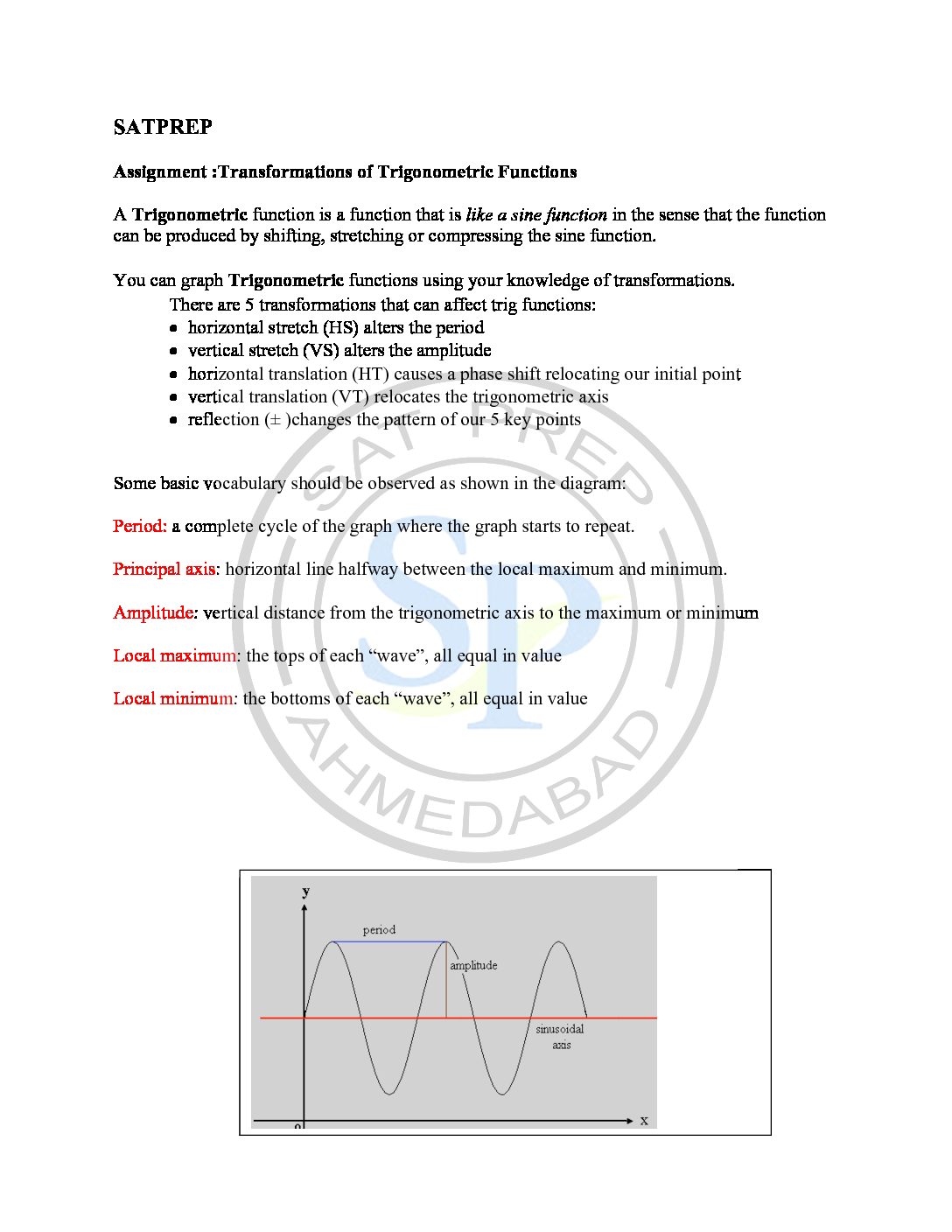
Trigo functions definition is – a function of an arc or angle most simply expressed in terms of the ratios of pairs of sides of a right-angled triangle —called also circular function. standard unit circle (a circle with radius 1 unit), starting at the origin and making some angle with the x -axis, the sine of the angle gives the […]
Related Rates -2
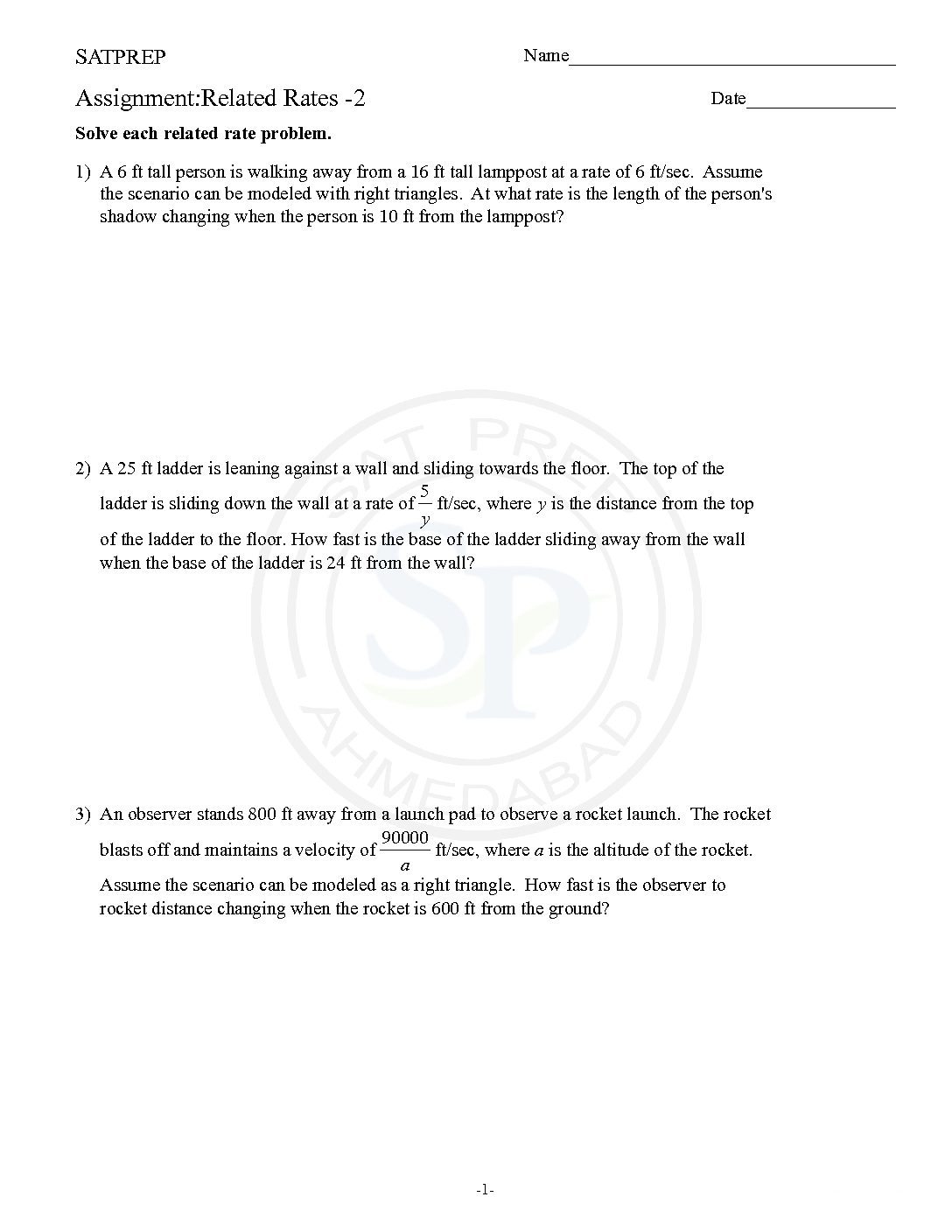
First of all related rate problems are applications of derivative . One of the hardest calculus problems that students have trouble . Because each application question has a different approach in solving the problem. Hence called rate of change. Related rates
Related Rates
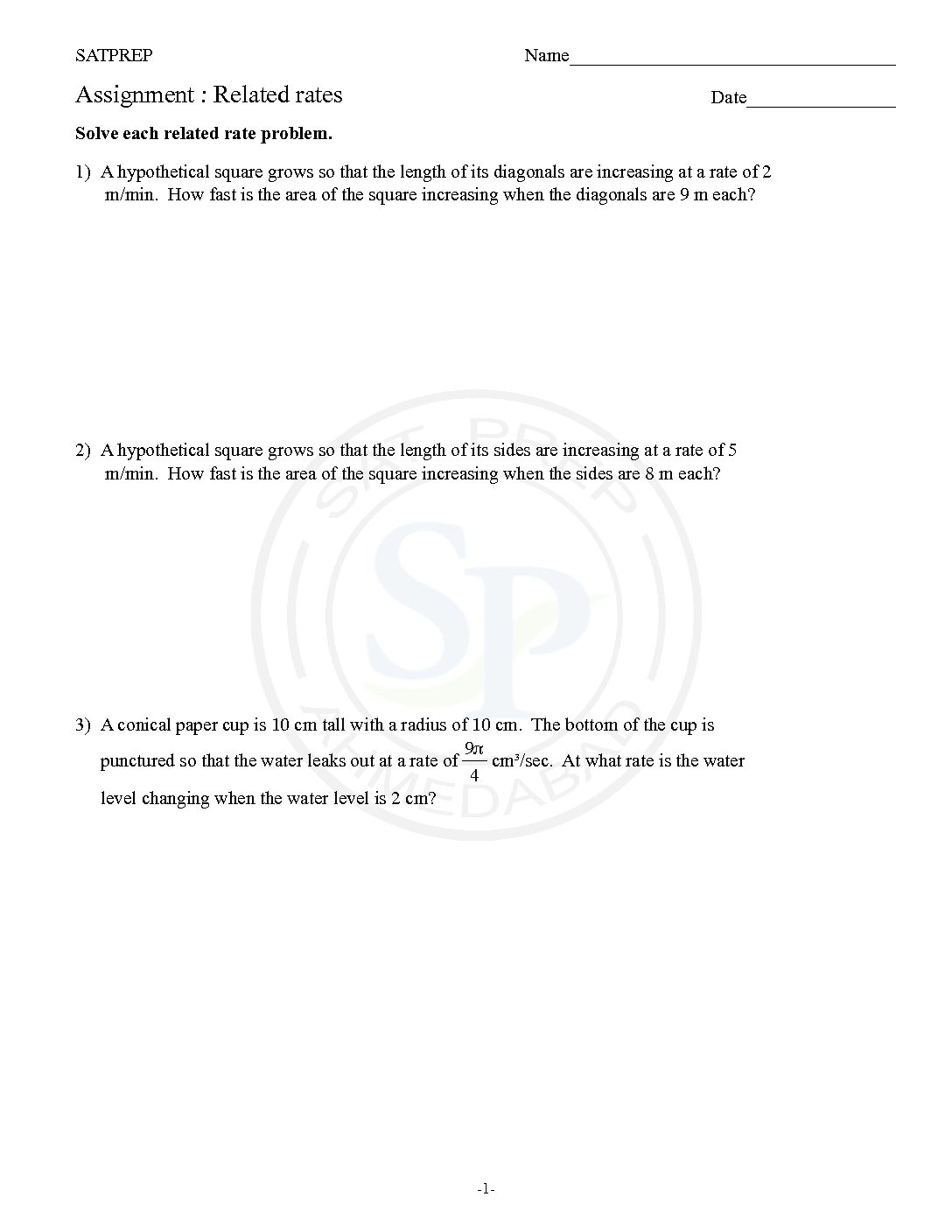
Rate of change is also related rate problems are applications of derivative . One of the hardest calculus problems that students have trouble . Because each application question has a different approach in solving the problem. Ralated rates
Calculus
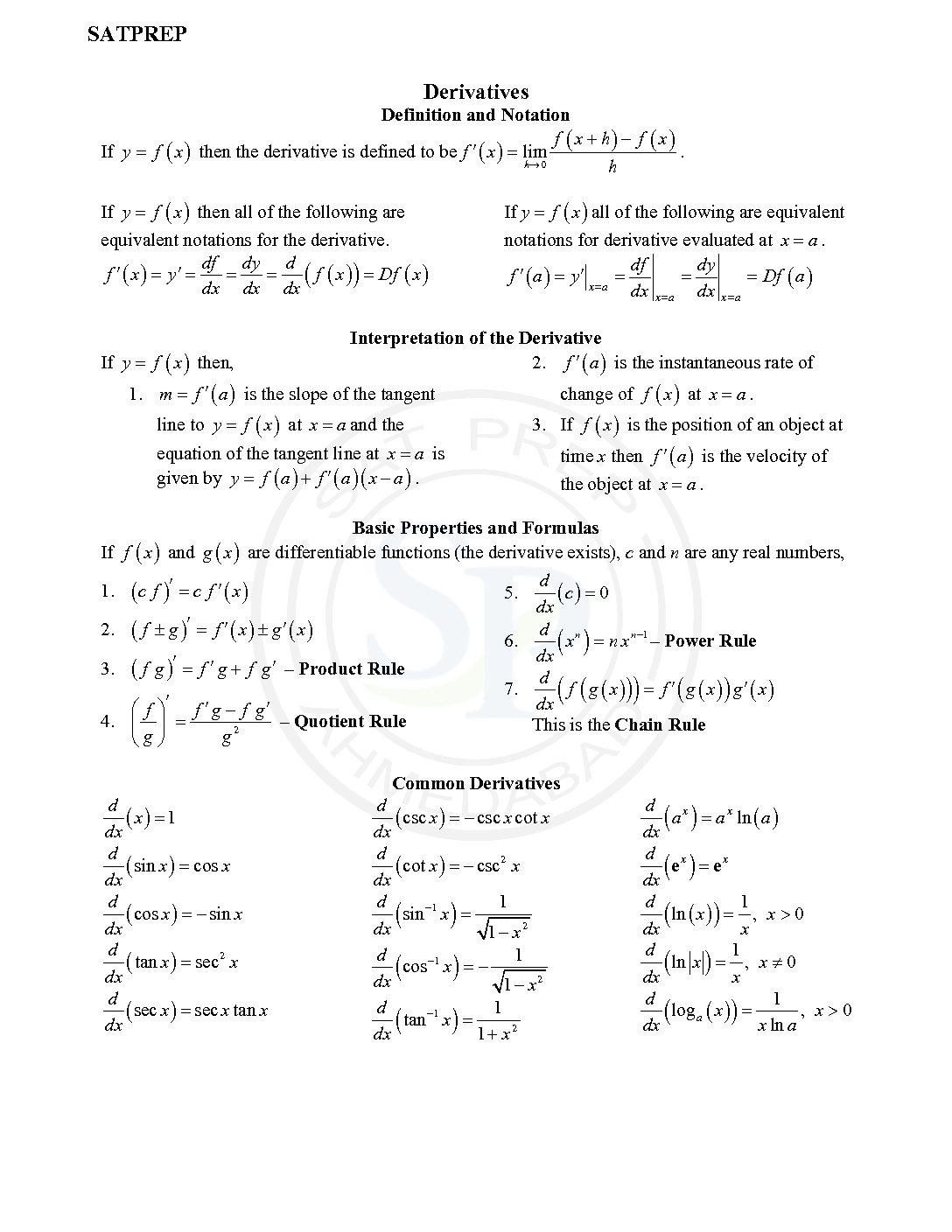
This formula sheet help the students for preparing precalculus and calculus. Further this sheet also help in academic math. This can also be use in Pre-calculus. Calculus
Properties of curve :Implicit
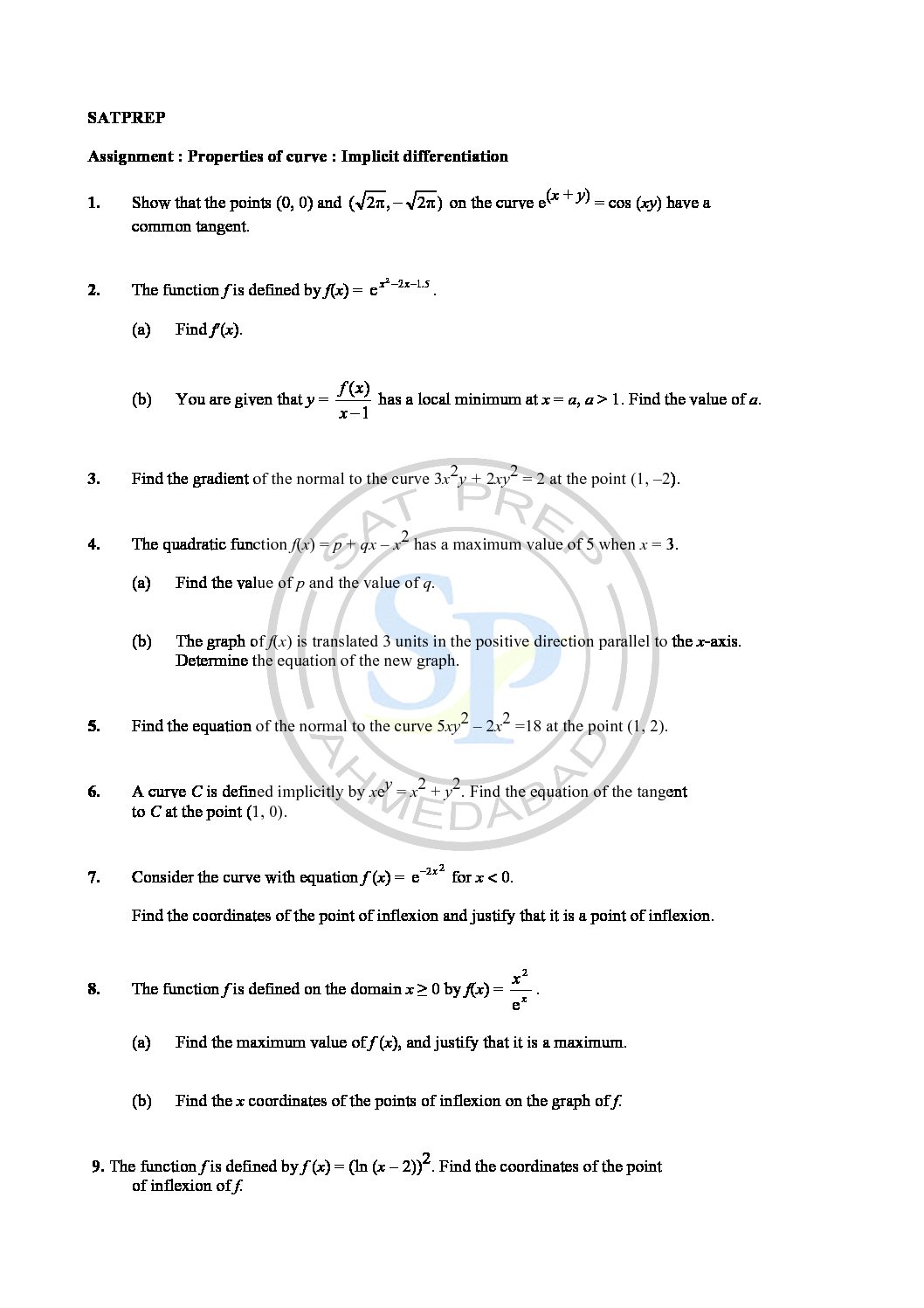
Makes use of the chain rule to differentiate implicitly defined functions. To differentiate an implicit function y ( x ), defined by an equation R ( x, y) = 0, it is not generally possible to solve it explicitly for y and then differentiate. The derivatives of inverse trig functions we’ll need the formula from the last section relating the derivatives of inverse functions. properties […]