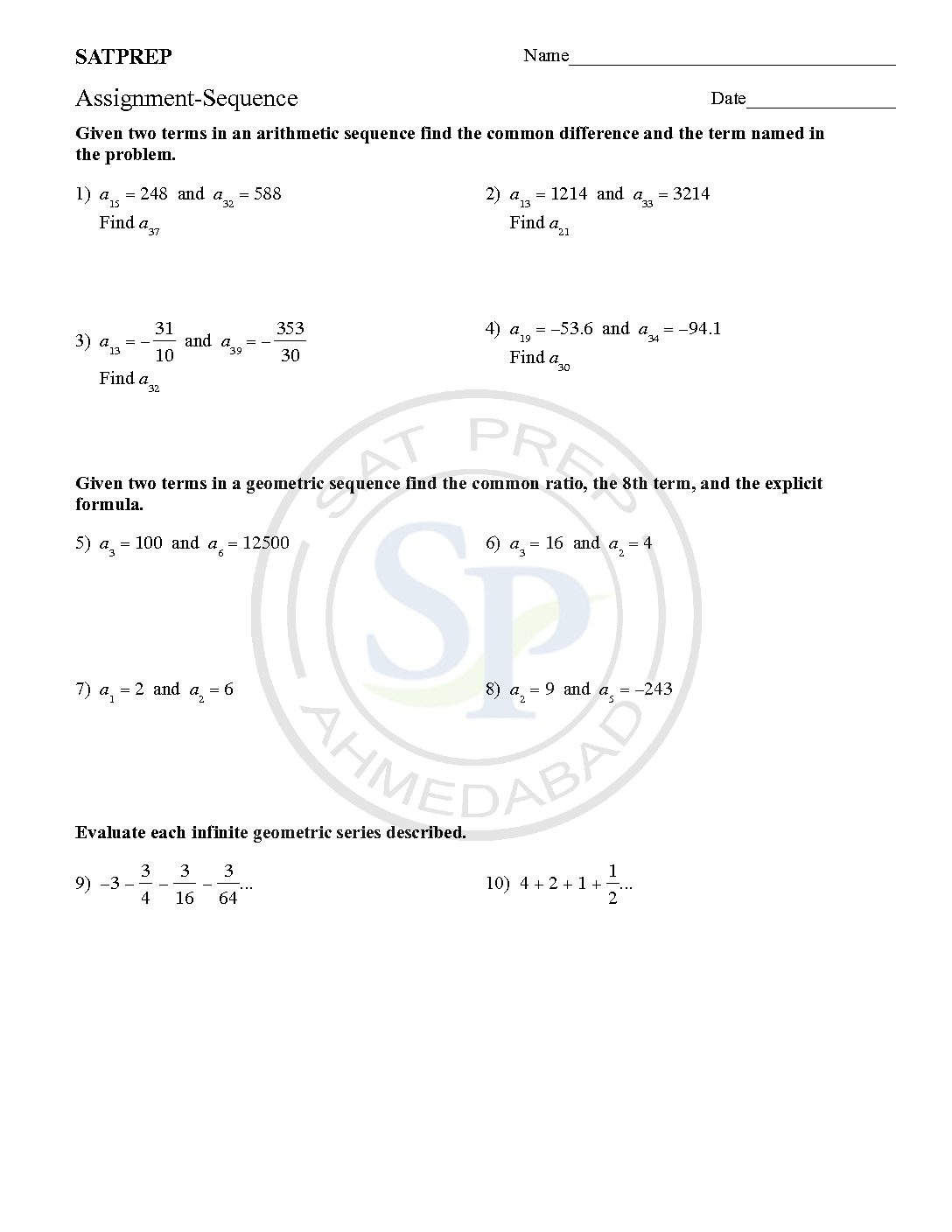
Sequence and series is arrangement of term in particular pattern. Mathematical structures using the convergence properties of sequences. In particular, sequences are the basic for series Sequence and series
You are browsing archives for
Category: IB/Cambridge
Product to Sum
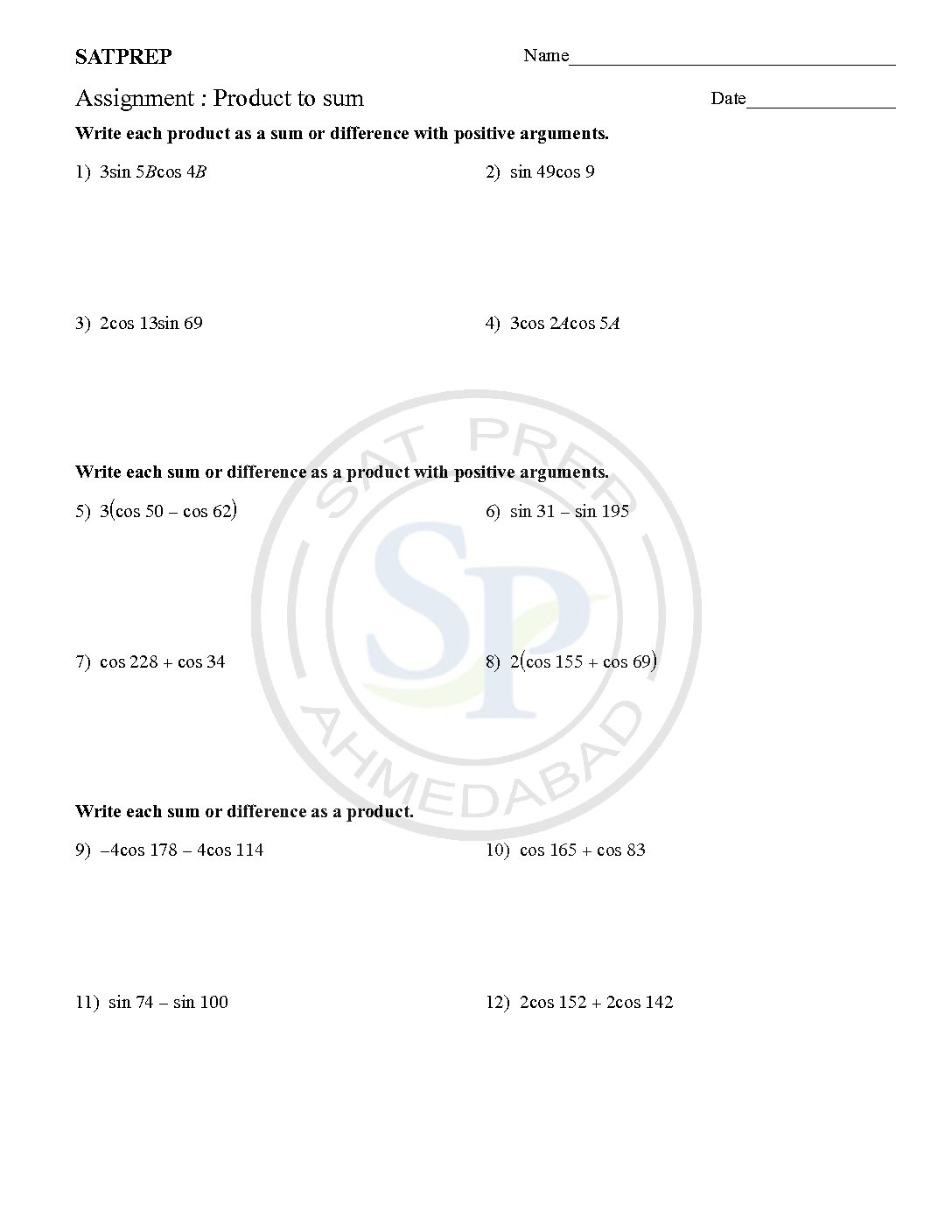
Product‐Sum and Sum‐Product Identities. The process of converting products into sums can make a difference . Integrate \( \int \! \sin 3x \cos 4x \, \mathrm{d}x.\) This problem may seem tough at first, but after using the product-to-sum trigonometric formula, this integral very quickly changes into a standard form . Converting a sum of trig functions into a product. Write as and then […]
Conversion Complex No Rectangular to Pol...
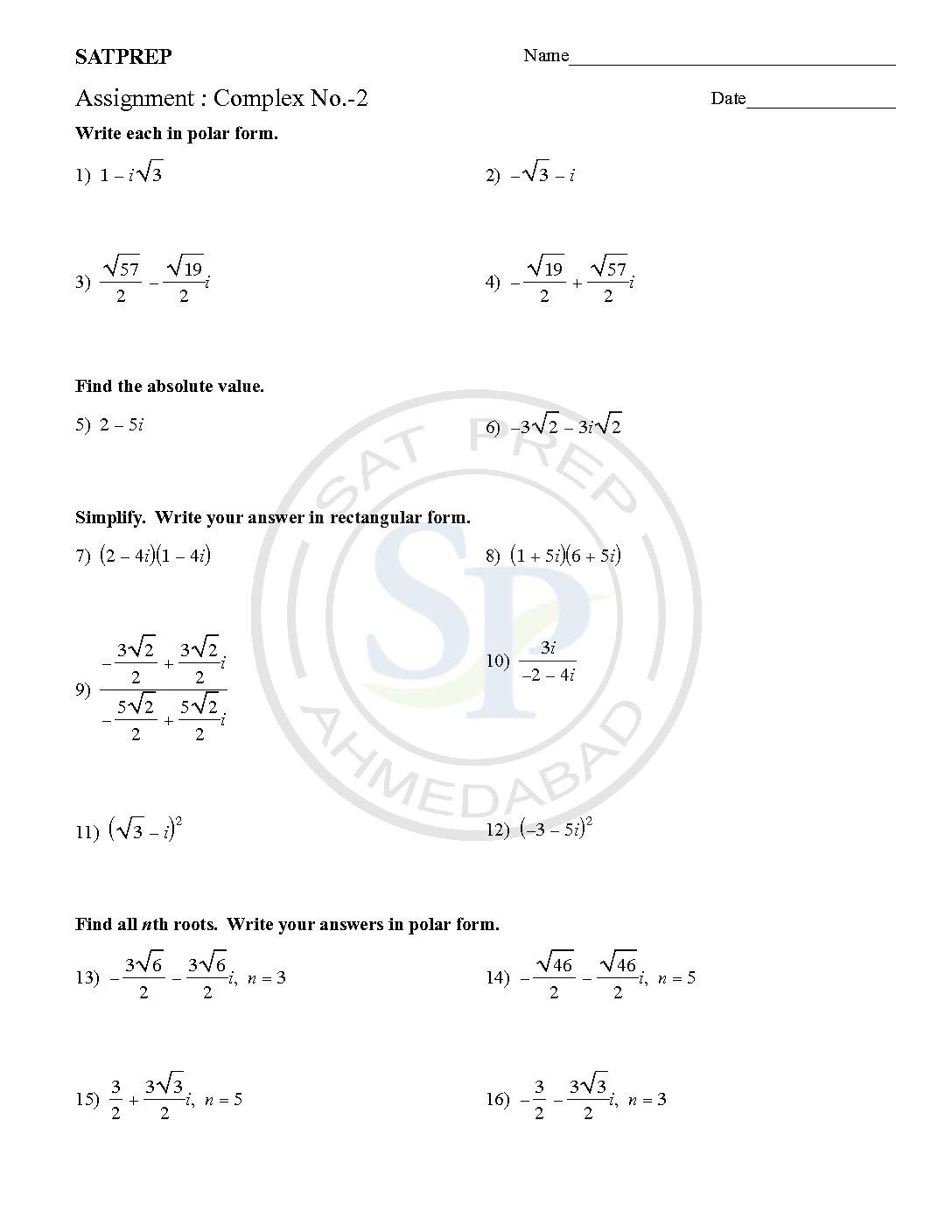
Converting from Polar Form to Rectangular Form. Either method of notation is valid for complex numbers. Rectangular form lending itself to addition and subtraction, and polar form lending itself to multiplication and division. Hence polar form of a complex number is another way to represent a complex number. The form z = a + b i is called the rectangular coordinate form of a complex number. This representation is very useful when we multiply or divide complex numbers. Therefore argand diagram use […]
Integration by trigonometric substitutio...
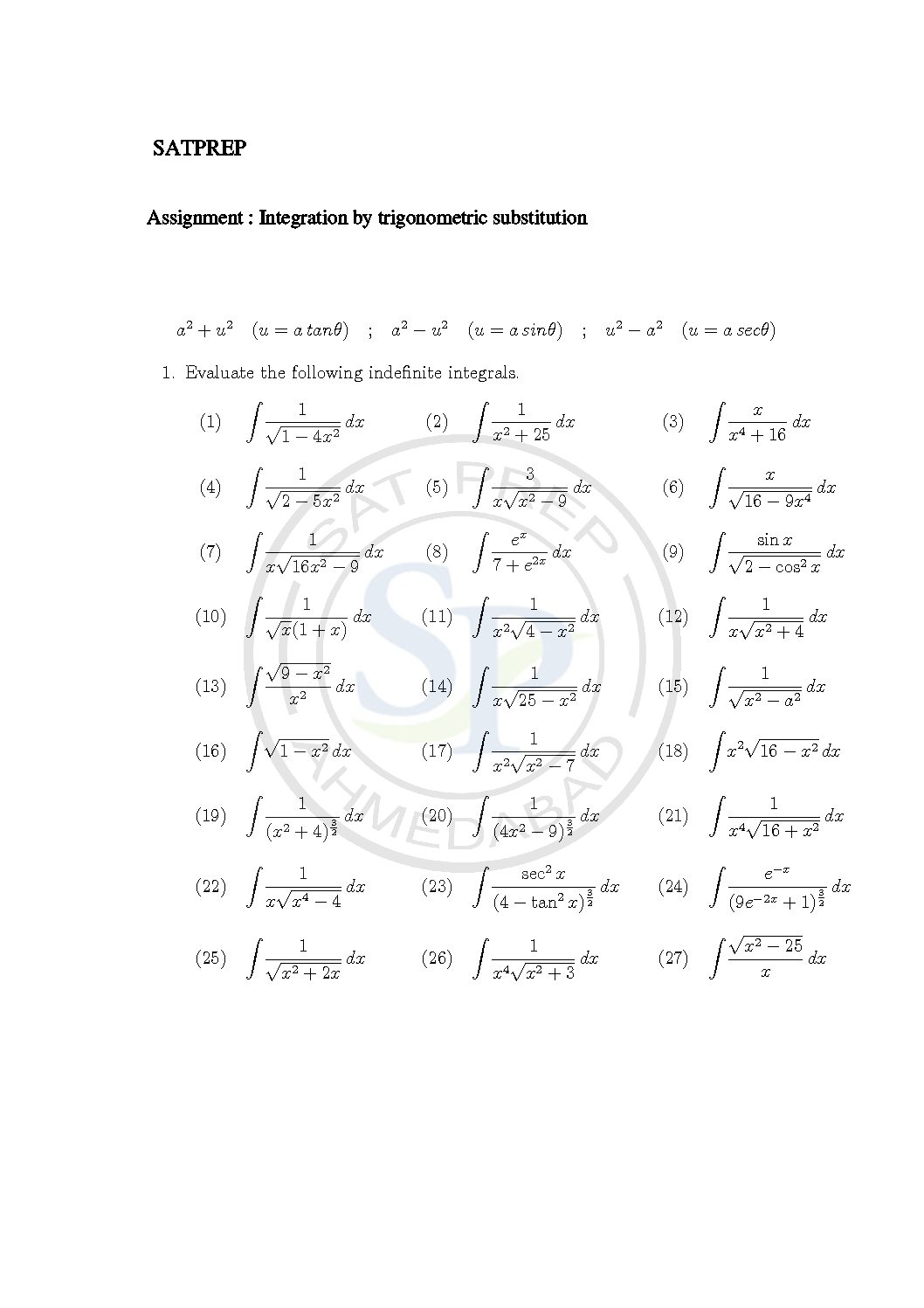
This post is about worksheet of Integration by trigonometric substitution. It also one of most important concept of integral calculus . The function ƒ(φ(t))φ′(t) is also integrable on [a,b] Integration by substitution
Improper integral
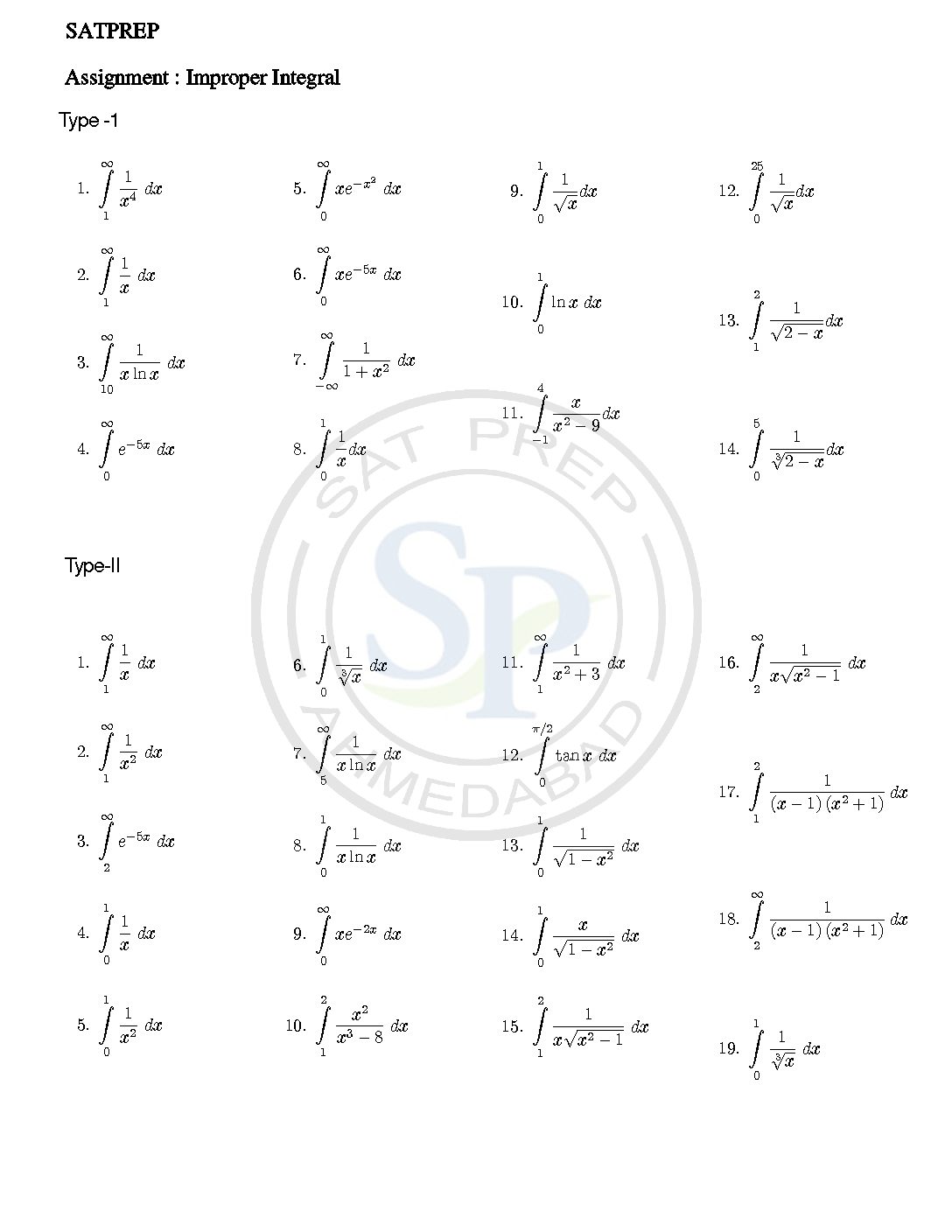
an improper definite integral, or an improper integral. And we would denote it as 1 is our lower boundary, but we’re just going to keep on going forever as our upper boundary. So our upper boundary is infinity. And we’re taking the integral of 1 over x squared dx. An improper integral is a type of definite integral in which the integrand is undefined at […]
Volume -2
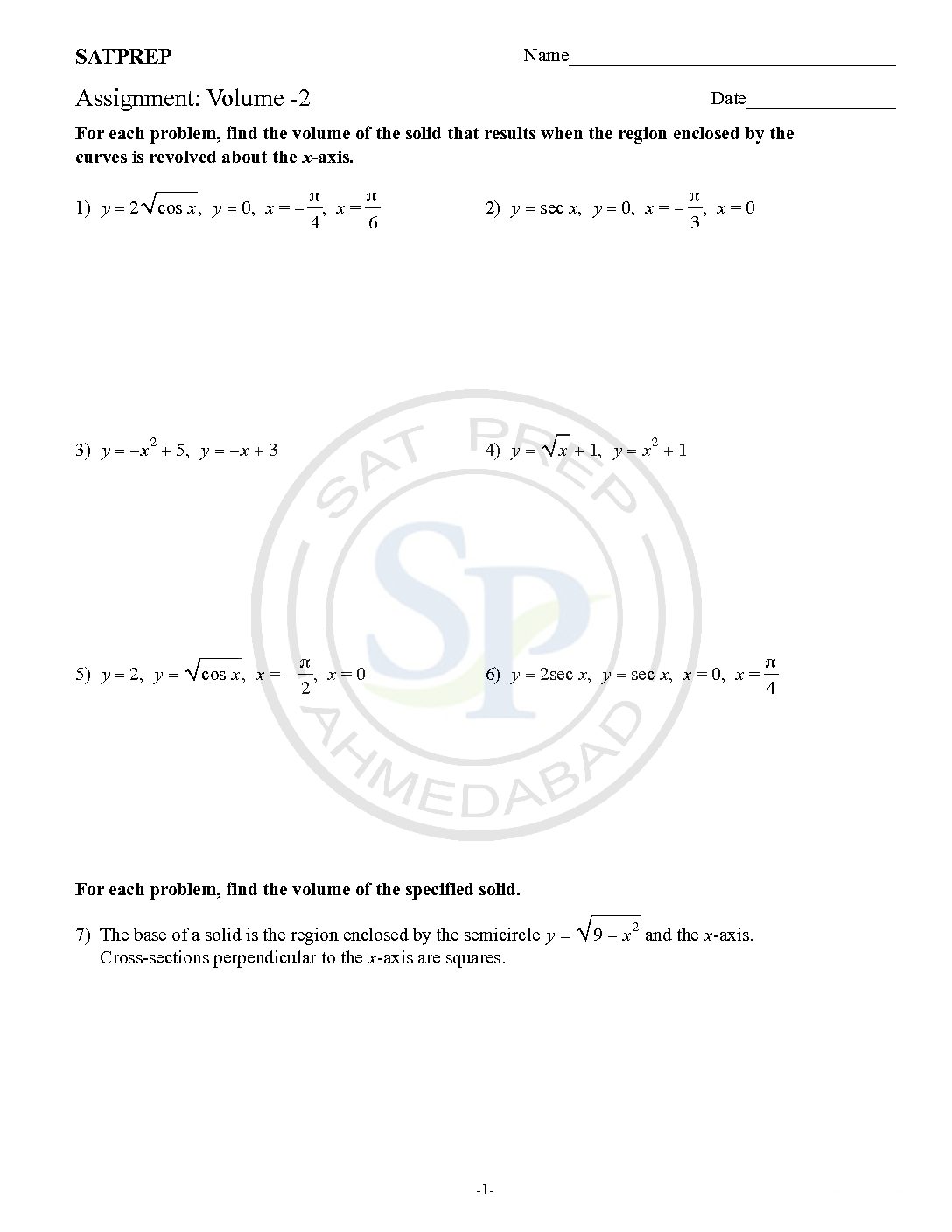
To get a solids of revolution we start out with a function, y=f (x), on an interval [a,b]. We then rotate this curve about a given axis to get the surface of the solid of revolution. Volume
Volume
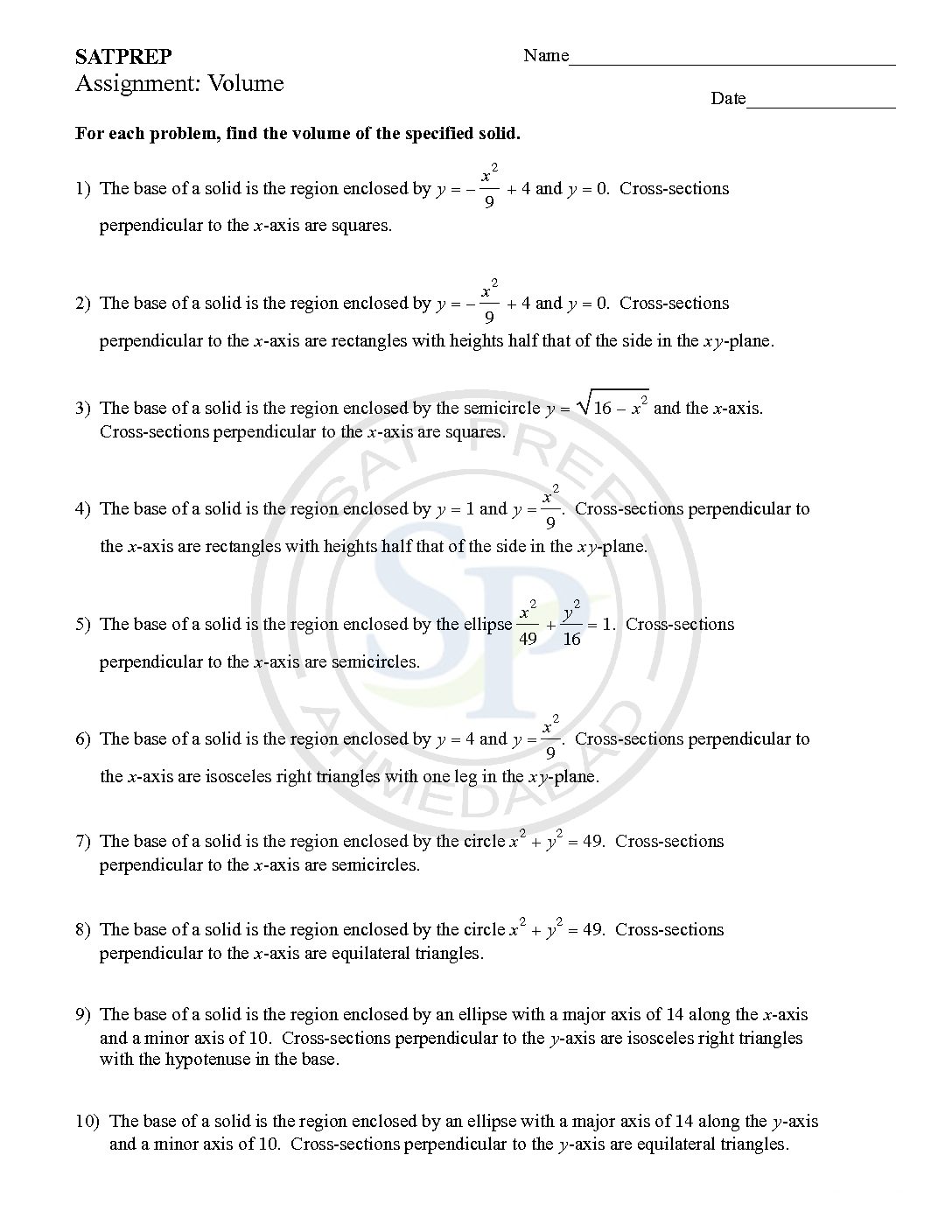
To get a solid of revolution we start out with a function, y=f (x), on an interval [a,b]. We then rotate this curve about a given axis to get the surface of the solid of revolution. volume of revolution
Second fundamental theorem of Calculus-2
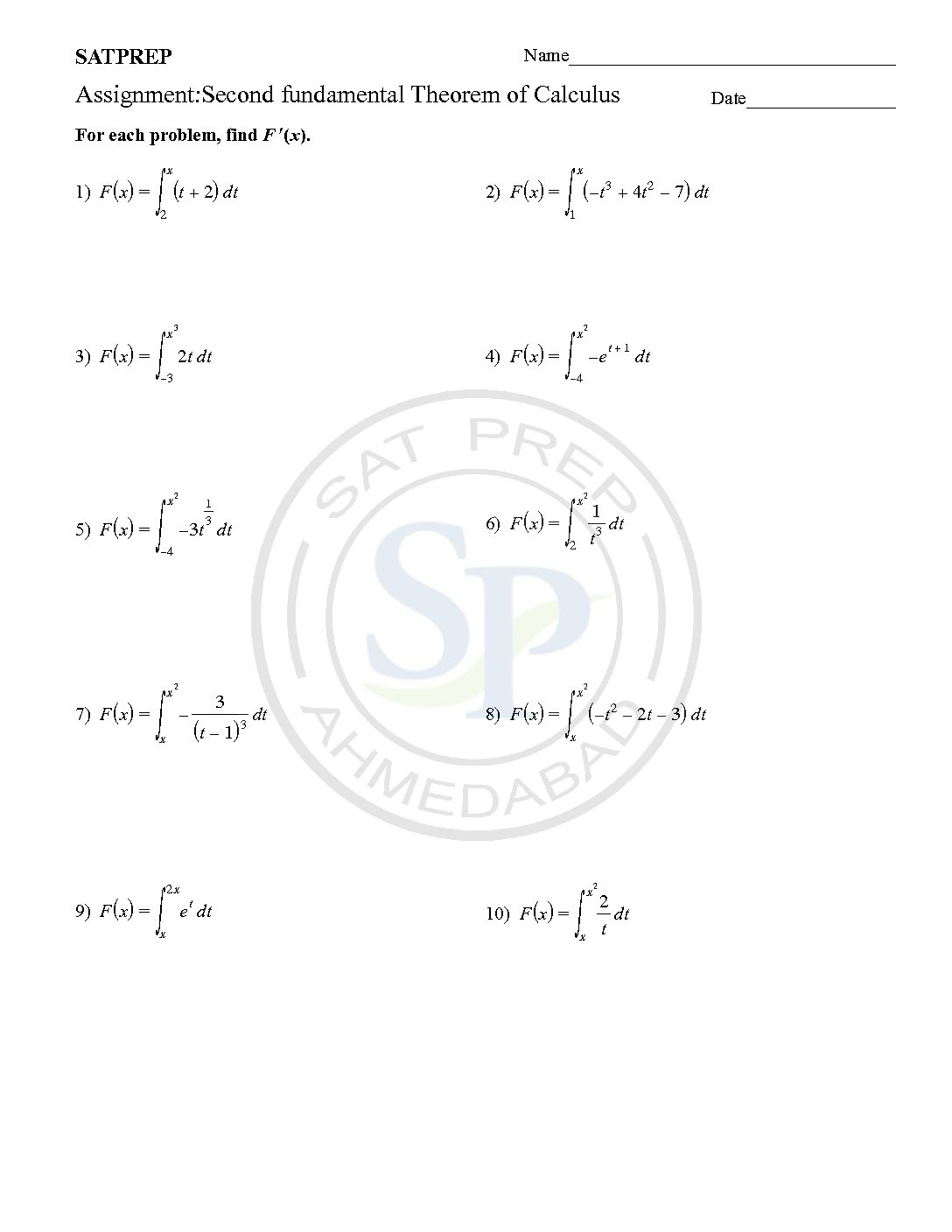
Second Fundamental Theorem of Calculus: Then F ( x) is an antiderivative of f ( x )—that is, F ‘( x) = f ( x) for all x in I. That business about the interval I is to make sure we only get limits of integration that are are reasonable for your function. Some things […]
Integration by substitution
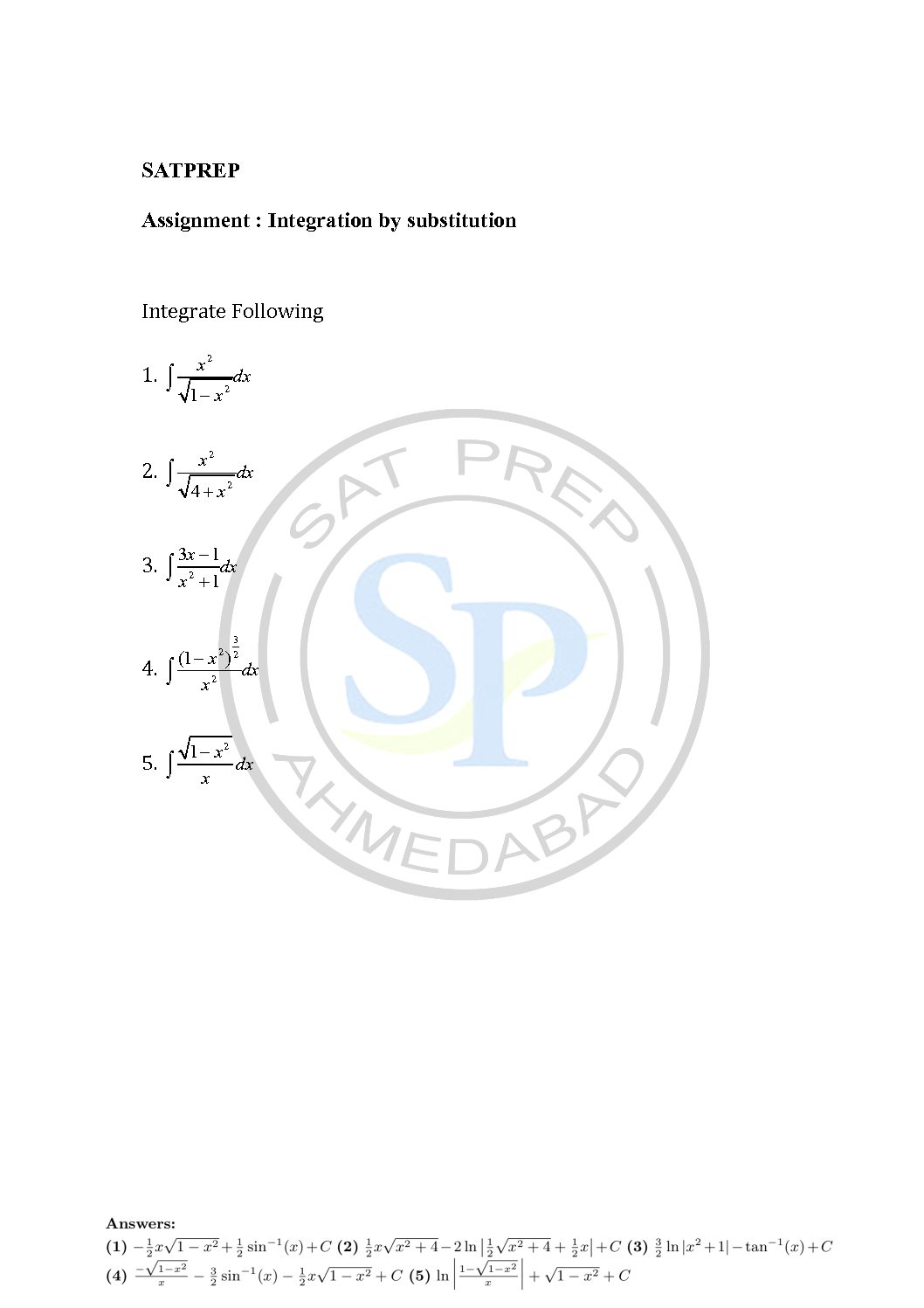
This post is about worksheet of integration by trigonometric substitution. It also one of most important concept of integral calculus . The function ƒ(φ(t))φ′(t) is also integrable on [a,b] Integration by trigonometric substitutions
Expansion
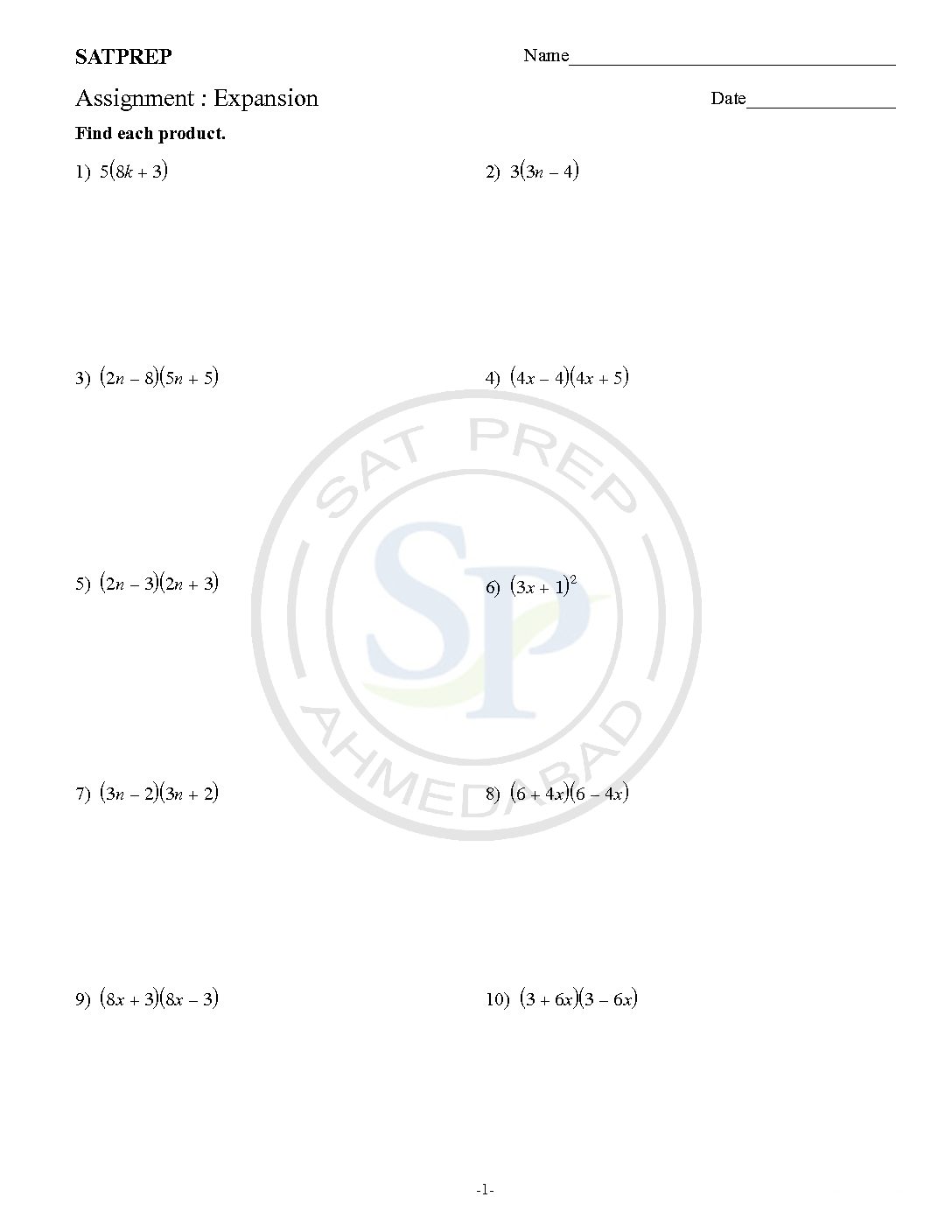
Expansions of Algebraic Expressions The formula: a(b+c) = ab + ac Algebraic Expansion. (a+b)(c+d)=ac+ad+bc+bd and (a+b)(a-b)= a ² – b² difference of square (a+b)² = a² + 2ab + b² perfect square (a-b) ²=a²-2ab+b² Expansion